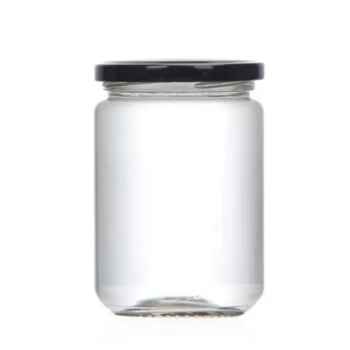
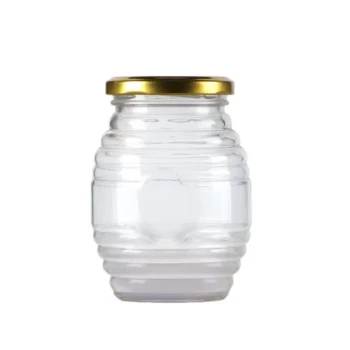
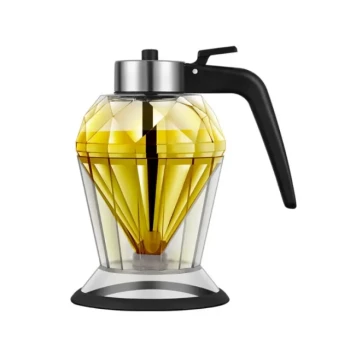
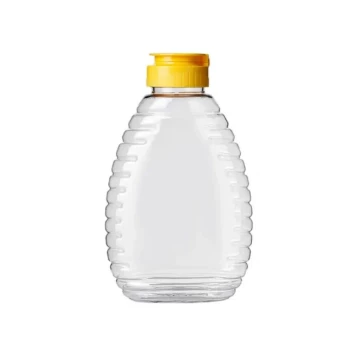
Transparent glass containers are selected for honey storage stability studies primarily to simulate the realities of retail and household environments. By permitting the entry of indoor natural light at room temperature, these containers allow researchers to observe the specific degradation patterns of bioactive compounds like flavonoids, providing the data necessary to determine accurate shelf life recommendations.
Core Takeaway: The choice of transparent glass is strategic, not just aesthetic. It provides a chemically inert environment that isolates the honey from container interactions while simultaneously allowing researchers to measure the impact of light exposure—a critical variable in real-world product degradation.
Simulating Real-World Conditions
The primary goal of a stability study is to predict how a product will behave in the hands of the consumer.
Replicating Light Exposure
To understand how honey ages on a supermarket shelf or a kitchen counter, researchers must replicate those specific lighting conditions.
Transparent glass allows indoor natural light to penetrate the sample, directly impacting light-sensitive components.
Monitoring Flavonoid Degradation
Flavonoids are key indicators of honey quality and nutritional value, but they are susceptible to degradation.
By using transparent containers, scientists can track the rate at which these compounds break down under light and temperature stress. This data forms the technical basis for defining expiration dates.
Material Integrity and Accuracy
Beyond light simulation, the physical properties of glass ensure that the data collected is attributable to the honey itself, not the vessel.
Chemical Non-Reactivity
Glass is a non-reactive material, meaning it possesses superior chemical stability compared to many plastics or metals.
This ensures the honey does not react with the container walls, preventing the leaching of foreign chemicals into the sample.
Preventing Secondary Contamination
In the sampling phase, the priority is maintaining a sterile environment to isolate external microbial interference.
Sterile glass containers effectively prevent secondary contamination, ensuring the sample accurately reflects the honey's original physicochemical state and microbial activity.
Understanding the Trade-offs: Glass vs. Plastic
While transparent glass is ideal for studying light effects, it is also superior in preventing physical spoilage mechanisms often seen in other packaging.
The Headspace Challenge
Research indicates that large plastic containers often have significant headspace (air volume above the product).
This excess air can lead to moisture condensation during storage, causing localized increases in water content on the honey's surface.
Moisture and Fermentation Risks
When water content rises due to condensation, it can trigger the proliferation of osmophilic yeasts.
Glass containers, particularly small-package bottles, allow for a tighter seal with smaller headspace, significantly reducing oxygen contact and the risk of fermentation.
Making the Right Choice for Your Goal
The selection of packaging material affects both the scientific validity of a study and the commercial viability of the final product.
- If your primary focus is conducting accurate stability studies: Utilize sterile, transparent glass to ensure chemical inertness while observing the necessary light-induced degradation patterns.
- If your primary focus is extending commercial shelf life: Prioritize glass packaging with high sealing integrity to minimize headspace and prevent moisture absorption, which helps avoid fermentation.
Ultimately, transparent glass remains the gold standard for stability studies because it balances the need for a sterile, non-reactive environment with the requirement to simulate real-world light exposure.
Summary Table:
| Feature | Benefit for Honey Stability Studies |
|---|---|
| Transparency | Permits light exposure to monitor flavonoid and bioactive compound degradation. |
| Chemical Inertness | Prevents leaching and ensures results reflect the honey, not the container material. |
| Sterility & Sealing | Minimizes secondary contamination and prevents moisture-driven fermentation. |
| Headspace Control | Reduces oxygen contact and condensation compared to large-volume plastic. |
Elevate Your Honey Quality with HONESTBEE
At HONESTBEE, we understand that the right equipment is as vital as the right research. Whether you are a commercial apiary or an equipment distributor, we provide the precision-engineered tools needed to maintain the integrity of your honey products from hive to shelf.
Our comprehensive wholesale range includes:
- High-precision honey-filling machines designed to minimize headspace and ensure air-tight seals.
- Professional-grade beekeeping tools and machinery to optimize your production workflow.
- Essential industry consumables and unique honey-themed cultural merchandise.
Ready to scale your operation with premium beekeeping hardware? Contact us today to explore our wholesale solutions!
References
- Goran Šarić, Predrag Putnik. The Changes of Flavonoids in Honey during Storage. DOI: 10.3390/pr8080943
This article is also based on technical information from HonestBee Knowledge Base .
Related Products
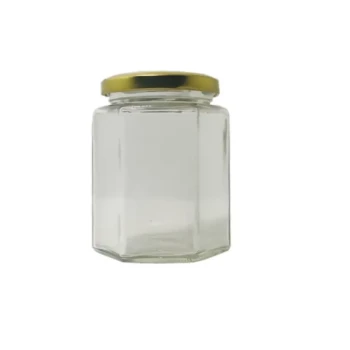
- Hexagonal Glass Honey Jars with Metal Lug Caps Elegant Versatile Packaging
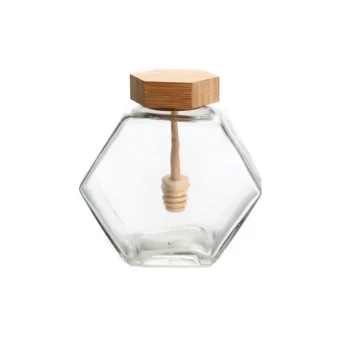
- Hexagonal Glass Honey Jar with Wooden Lid Integrated Dipper Elegant Functional Storage
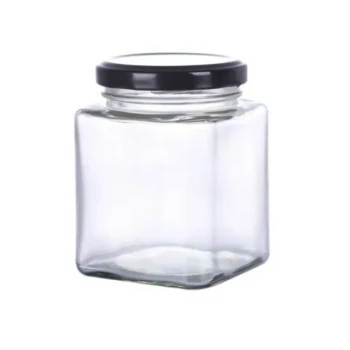
- Modern Square Glass Honey Jar with Twist Off Lid
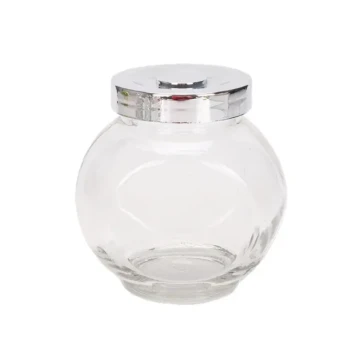
- Classic Drum Shaped Glass Honey Jar with Airtight Lid
- Classic Round Glass Honey Jar with Lid
People Also Ask
- What is the aesthetic appeal of using glass jars for honey? Elevate Your Brand with Premium Packaging
- What are the logistical challenges associated with using glass jars for honey packaging? Navigating Weight & Fragility
- What are the advantages of glass containers for honey? Elevate Quality and Market Value with Premium Packaging
- What are the technical advantages of using glass jars for honey? Master Commercial Packaging for Premium Purity
- What are the advantages of using glass jars for honey packaging? Preserve Purity & Elevate Your Brand