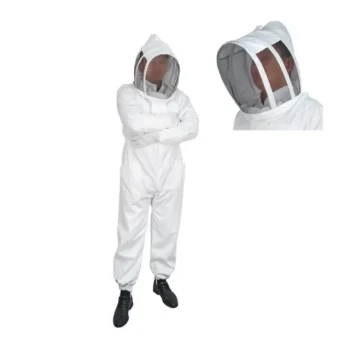
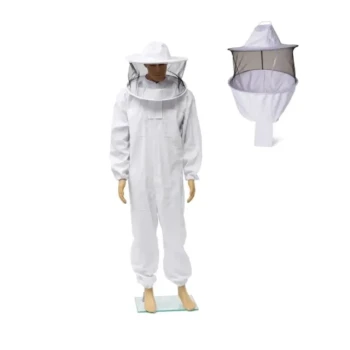
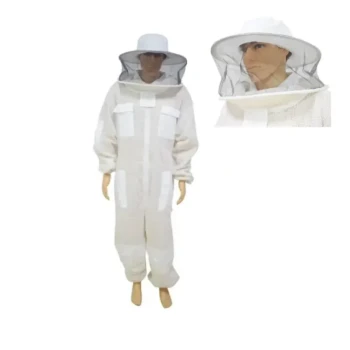
To ensure effective sting protection, a beekeeping suit must rely on a combination of material density and rigorous gap management. The most critical features are multiple layers of thick fabric to block stingers and reinforced cuffs with secure closures to prevent insects from entering. Additionally, high-quality zippers and tightly sealed seams are non-negotiable requirements to eliminate any openings that bees or wasps could exploit.
Effective protection relies on two distinct principles: impenetrability (stopping the stinger) and containment (stopping the bee). While no suit offers 100% immunity, combining high-density materials with secure closure systems drastically reduces the likelihood of a breach.
The Physical Barrier: Material and Construction
Fabric Density and Layering
The primary defense against a sting is the fabric itself. High-quality suits utilize thick cotton, polyester, or dense blends designed specifically to prevent a stinger from reaching your skin.
Ventilated Protection
For warmer climates, ventilated suits use a multi-layer design. These typically consist of layers of polyester or vinyl mesh that create depth; the fabric is thicker than the length of a bee’s stinger, offering protection while allowing airflow.
Seam Integrity
A suit is only as strong as its weakest point. Well-sealed, reinforced seams are vital to prevent tears or gaps that a persistent bee could widen to gain entry.
Eliminating Entry Points
Elasticized Seals
Bees instinctively crawl upwards and into dark crevices. To counter this, suits must feature snug elastic or Velcro closures at the wrists, ankles, and waist to create a seal against the skin or boots.
The Importance of Thumb Loops
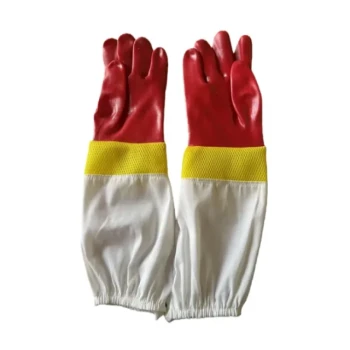
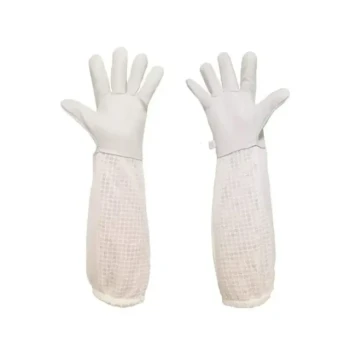
A common failure point occurs when sleeves ride up while lifting heavy hive boxes. Thumb loops are a simple but essential feature that anchors the sleeve inside your glove, maintaining the wrist seal during movement.
Zipper Security
Zippers must be durable, ideally metal, and function smoothly. Crucially, zippers should be covered by a Velcro-secured flap. This prevents bees from stinging through the zipper teeth or crawling through the small gap at the zipper pull.
Head and Face Protection
Veil Integration
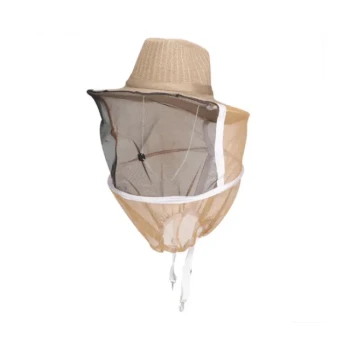
The veil should attach securely, usually via a zipper. A removable veil is often an indicator of a higher-quality suit, allowing for easier cleaning and replacement compared to fixed-veil designs.
Mesh Quality and Positioning
The hood must utilize fine, non-glare mesh that is rigid enough to stay away from the face. If the mesh touches your skin, a bee can sting through it; therefore, the structure must maintain a safe distance at all times.
Fire Resistance
Because smokers are used frequently, the mesh on the veil should be non-flammable. This prevents accidental melting or damage if sparks fly from the smoker.
Common Pitfalls to Avoid
The "Sting-Proof" Myth
Do not assume a suit makes you invincible. A persistent bee can sometimes find a gap or sting through fabric if it is pulled tight against the skin. Calm movement remains a critical component of protection.
Heat vs. Thickness
There is an inherent trade-off between protection and breathability. Thick canvas suits offer excellent protection but can be dangerous in extreme heat; ventilated suits are often the superior choice for balancing safety with body temperature regulation.
Veil Connection Gaps
Always check the Velcro flap where zippers meet at the neck. This is the most common entry point for bees in poorly designed suits. If this overlap is insufficient, the suit is compromised.
Making the Right Choice for Your Goal
Select your gear based on your environment and your comfort level with risk.
- If your primary focus is Maximum Safety: Prioritize a suit with thumb loops, heavy-duty metal zippers, and thick, multi-layered fabric to maximize distance between the bee and your skin.
- If your primary focus is Comfort in Heat: Choose a fully ventilated suit with three layers of mesh, which provides physical depth against stings without trapping body heat.
Protection is a system: your suit provides the barrier, but your diligence in checking zippers and seals ensures it works.
Summary Table:
| Feature Category | Essential Component | Primary Benefit |
|---|---|---|
| Material | Triple-layer Mesh / Dense Fabric | Prevents stinger penetration while allowing airflow. |
| Closures | Elastic Cuffs & Thumb Loops | Prevents sleeves from riding up and bees from entering. |
| Zippers | Heavy-duty with Velcro Flaps | Eliminates entry points at the neck and front openings. |
| Veil/Hood | Non-glare Rigid Mesh | Maintains safe distance from face and ensures visibility. |
| Durability | Reinforced Seams | Prevents structural failure and gaps during heavy labor. |
Secure Your Apiary with Professional-Grade Gear
Maximize the safety and efficiency of your commercial beekeeping operations with HONESTBEE. As a premier partner for commercial apiaries and global distributors, we provide a full spectrum of high-performance beekeeping suits, heavy-duty machinery, and hive-making equipment designed to withstand the rigors of the industry.
From protective apparel to honey-filling systems and cultural merchandise, our wholesale solutions are tailored to help your business thrive. Contact us today to explore our comprehensive catalog and request a quote.
Related Products
- Premium Cotton Beekeeper Suit with Reinforced Fencing Veil
- Professional Cotton Beekeeper Suit with Round Veil Design for Commercial Apiaries
- Professional Beekeeper Suit with Square Folding Cotton Veil
- Vented Beekeeping Jacket with Hood and Veil for Beekeepers
- Professional Beekeeping Suit for Kids and Girls Childrens Bee Keeper Suit
People Also Ask
- What material and design specifications are recommended for a high-quality beekeeper suit? Top Gear Selection Guide
- How to Pre-treat Propolis Stains on Beekeeping Suits? Master Advanced Fabric Care and Soil Removal
- What features should be considered for sting protection in a beekeeping suit? Ensure Total Safety and Comfort
- What are the differences between full suits and jackets with veils in beekeeping? Choose Your Best Protection
- What features should be looked for in a beekeeping suit for maximum comfort? Prioritize Ventilation and Fit