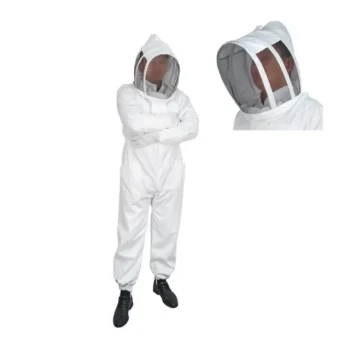
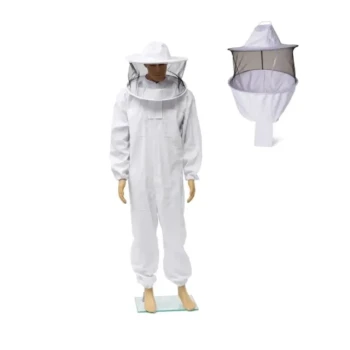
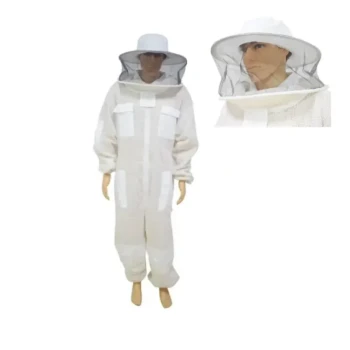
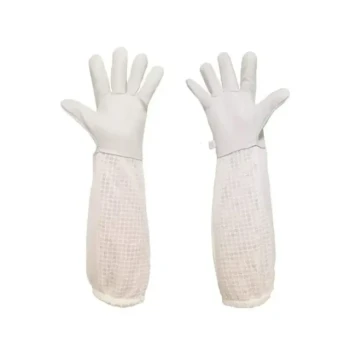
Before approaching the apiary, you must perform a rigorous visual and physical inspection of your beekeeping suit to identify any compromises in the fabric, specifically looking for holes or tears. If any damage is detected, it must be repaired immediately to ensure the garment provides full protection against stings.
The integrity of a beekeeping suit relies on a complete seal. A single small breach in the fabric or a failed closure mechanism renders the rest of the suit ineffective, turning a protective barrier into a potential trap for bees.
Evaluating Structural Integrity
Inspecting the Fabric Barrier
The primary defense of the suit is the density and continuity of the material. You must systematically scan the entire surface for holes, tears, or thinning areas caused by wear.
Checking the Veil and Mesh
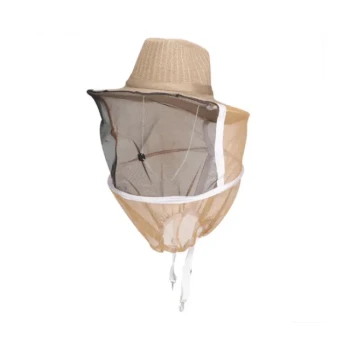
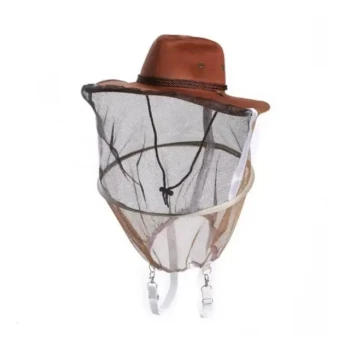
The hood involves delicate components that are critical for safety and visibility. Inspect the fine mesh of the veil for any rips or fraying that could allow a bee to enter near your face. Ensure the mesh is non-glare and maintains its shape to stay away from your skin.
Verifying Closure Mechanisms
Bees are adept at crawling into small openings. Test all zippers to ensure they slide smoothly and lock securely; durable metal zippers are preferred for longevity. Check that the Velcro flaps covering these zippers are clean and capable of creating a tight seal.
Ensuring a Secure Seal
Testing Elastic Points
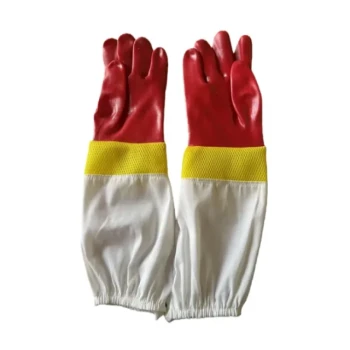
The openings at your extremities are common entry points for bees. Inspect the elastic bands or Velcro closures at the wrists, ankles, and waist to ensure they still offer a snug fit. Loose elastic must be replaced to prevent bees from crawling up sleeves or pant legs.
Clearing Debris and Pockets
Before use (and especially before washing), check that all pockets are empty. Remove hive tools, queen cages, and particularly pieces of beeswax, which can melt and damage washing machines or interfere with the suit's fabric breathability.
Common Pitfalls and Vulnerabilities
The Risk of Improper Layering
An intact suit can still fail if the clothing worn underneath is incorrect. Avoid wearing tight clothes under the suit, as this restricts movement and allows stingers to penetrate through the suit fabric to your skin. First layers should be tucked in to eliminate gaps.
Assessing Storage-Related Damage
If the suit has been stored in a damp area like a basement or garage, inspect it for mold or moisture damage. Fabric weakened by moisture or exposed to harsh sunlight loses its structural integrity and may tear easily during use.
Making the Right Choice for Your Goal
To maximize safety and longevity, prioritize your inspection based on your immediate needs:
- If your primary focus is immediate safety: Prioritize checking the veil mesh and zipper closures, as these are the most critical failure points that lead to severe stings.
- If your primary focus is equipment longevity: Focus on cleaning beeswax from pockets and repairing small tears early to prevent them from expanding into irreparable damage.
Your safety depends not just on wearing the suit, but on trusting its condition.
Summary Table:
| Inspection Point | Key Focus Areas | Safety Impact |
|---|---|---|
| Fabric & Mesh | Tears, holes, thinning fabric, and veil rips | Prevents direct stings and facial entry |
| Closures | Smooth-sliding zippers and clean Velcro flaps | Eliminates gap-based entry points |
| Elastic Seals | Snug fit at wrists, ankles, and waist | Stops bees from crawling under garments |
| Pockets/Debris | Removal of beeswax and sharp tools | Prevents fabric damage and machine issues |
| Structural Check | Mold, sun damage, and fabric strength | Ensures longevity and reliable protection |
Secure Your Apiary with Professional-Grade Gear
At HONESTBEE, we understand that a single breach in a beekeeping suit can compromise a whole day's work. As a premier provider for commercial apiaries and distributors, we supply high-quality, durable protective wear and comprehensive beekeeping equipment designed to withstand the rigors of the field.
From specialized hive-making machinery to essential consumables and honey-themed cultural merchandise, we offer a full-spectrum wholesale solution to grow your business safely.
Ready to upgrade your equipment inventory?
Contact us today to discuss your wholesale needs
Related Products
- Premium Cotton Beekeeper Suit with Reinforced Fencing Veil
- Professional Cotton Beekeeper Suit with Round Veil Design for Commercial Apiaries
- Professional Beekeeper Suit with Square Folding Cotton Veil
- Vented Beekeeping Jacket with Hood and Veil for Beekeepers
- White Cotton Beekeeping Jacket and Veil for Bee Keepers
People Also Ask
- What material and design specifications are recommended for a high-quality beekeeper suit? Top Gear Selection Guide
- How to Pre-treat Propolis Stains on Beekeeping Suits? Master Advanced Fabric Care and Soil Removal
- What features should be considered for sting protection in a beekeeping suit? Ensure Total Safety and Comfort
- What are the differences between full suits and jackets with veils in beekeeping? Choose Your Best Protection
- What features should be looked for in a beekeeping suit for maximum comfort? Prioritize Ventilation and Fit