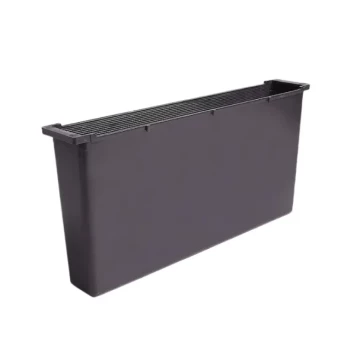
A feeding insert frame is a specialized internal hive component designed to hold supplemental nutrition for a bee colony. Instead of holding honeycomb, this frame acts as a reservoir for sugar syrup or honey and is installed directly inside the hive box alongside standard frames.
By relocating the food source to the interior of the hive, the feeding insert frame offers a protected environment that mitigates the risks of freezing, souring, and pest attraction associated with external feeding methods.
The Mechanics of Internal Feeding
How It Fits the Hive
The feeding insert frame is constructed to match the dimensions of a standard hive frame.
You simply remove an existing frame or fill an empty slot in the box with this feeder.
What It Holds
This device is designed to be filled with liquid sustenance.
Beekeepers typically fill the reservoir with sugar syrup or honey to support the colony when natural nectar sources are scarce.
Solving External Feeder Pitfalls
Protecting Against the Elements
One of the primary advantages of the feeding insert frame is thermal protection.
Entrance feeders—which sit on the outside or at the opening of the hive—leave the food supply exposed to ambient temperatures.
In colder weather, liquid in an entrance feeder is liable to freeze, rendering it inaccessible to the bees. The internal frame benefits from the hive's ambient warmth.
Reducing Spoilage
Liquids exposed to fluctuating external temperatures and sunlight can degrade quickly.
Entrance feeders frequently require checks to prevent the syrup from souring. Keeping the food inside the dark, temperature-controlled hive environment helps maintain the integrity of the syrup.
Deterring Pests
External food sources act as a beacon for opportunistic insects.
Entrance feeders are known to attract ants, drawing them directly to the hive entrance. Placing the food deep within the hive box makes it significantly more difficult for ants to access the supply without bypassing the colony's defenses.
Making the Right Choice for Your Goal
When deciding between an entrance feeder and a feeding insert frame, consider the specific environmental challenges your apiary faces.
- If your primary focus is Cold Weather Stability: Choose the feeding insert frame to prevent the food supply from freezing.
- If your primary focus is Pest Management: Select the internal frame to reduce the likelihood of attracting ants to the hive entrance.
Internal feeding provides a secure, low-maintenance solution to keep your colony nourished and protected.
Summary Table:
| Feature | Feeding Insert Frame (Internal) | Entrance Feeder (External) |
|---|---|---|
| Placement | Inside the hive box | At the hive entrance |
| Temperature | Stabilized by hive warmth | Exposed to ambient air |
| Pest Risk | Low (harder for ants to reach) | High (attracts ants to entry) |
| Freezing Risk | Very Low | High in cold weather |
| Main Use | Cold weather & pest prevention | Quick monitoring & refills |
Scale Your Apiary Efficiency with HONESTBEE
Are you looking to optimize your commercial beekeeping operations or expand your distribution inventory? HONESTBEE provides professional-grade feeding solutions and a comprehensive range of beekeeping tools designed for durability and performance.
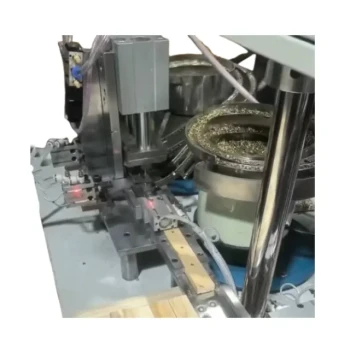
From high-capacity feeding insert frames to advanced honey-filling machines and specialized hive-making hardware, we supply everything commercial apiaries and distributors need to succeed. Our wholesale offerings cover the full spectrum of industry consumables and honey-themed cultural merchandise.
Contact HONESTBEE Today to discuss how our specialized equipment and wholesale volume pricing can bring superior value to your business!
Related Products
- Professional In-Hive Bee Feeder HONESTBEE Frame for Beekeeping
- In-Hive Dual Compartment Frame Bee Feeder for Targeted Colony Nutrition
- Professional In-Hive Frame Bee Feeder by HONESTBEE
- 3.5L Plastic Beehive Frame Feeder Deep Frame Water Feeder for In Hive Use
- Boardman Entrance Bee Feeder Durable Galvanized Steel and Wood Construction for Beekeeping
People Also Ask
- When should beekeepers stop feeding their bees? Let Your Bees Tell You
- Why is the use of a beekeeping feeder for syrup supplementation important? Boost Colony Growth and Survival
- What are the common types of internal and external feeders used in beekeeping? Choose the Right Feeder for Your Hive
- What is a feeder in the context of beekeeping? Optimize Your Hive Nutrition and Growth
- How do specialized feeders contribute to effective artificial feeding? Scientific Apiary Management & Colony Health