A telescoping top is the industry-standard outer cover for Langstroth beehives, distinguished by a rim that extends downward over the sides of the top hive box. Constructed from a wooden frame and typically sheathed in heavy-duty metal, its primary function is to provide a comprehensive shield against rain, snow, and wind while securing the hive components below.
The "telescoping" design creates a cap-like seal that fits over the inner cover and top super, offering superior weather protection and longevity compared to flush-fitting lids, particularly in cold or windy climates.
The Mechanics of Protection
The "Telescoping" Action
The defining feature of this cover is its ability to overlap the hive body. Unlike a flat lid that sits flush on top, a telescoping cover has sides that extend down a few inches over the uppermost box.
The Weather Seal
This overlapping design prevents water from seeping into the gap between the roof and the hive body. Instead, rain and melting snow are directed away from the hive walls, keeping the internal colony dry.
Wind Resistance
Because the cover hugs the sides of the hive, it is significantly less likely to be blown off by strong gusts. This security minimizes the need for heavy weights (like rocks or bricks) to hold the roof down in moderate weather.
Construction and Durability
Metal Sheathing
To prevent the wood from rotting and to ensure the roof remains waterproof, the top is covered with a sheet of metal. This is typically galvanized steel or heavy-duty aluminum, though premium versions may use copper or zinc.
Integration with the Inner Cover
A telescoping top is designed to work in tandem with an inner cover. It fits over the inner cover and the top edge of the hive body, creating a double-layer ceiling that aids in insulation and air regulation.
Understanding the Trade-offs
Longevity vs. Cost
Due to the metal sheeting and complex construction, a telescoping cover generally lasts longer than simple wooden lids. However, this durability comes at a higher financial cost.
Stationary vs. Mobile
While excellent for protection, the overhanging sides make these covers bulkier. They occupy more space when hives are packed side-by-side, which is why they are distinct from "migratory lids" used by commercial beekeepers who transport hives frequently.
Making the Right Choice for Your Goal
- If your primary focus is maximum protection: Choose a telescoping top for stationary hives, especially if you live in a region with cold winters or heavy precipitation.
- If your primary focus is budget or mobility: You may consider a migratory lid, but be aware that you are sacrificing the superior weatherproofing and wind resistance of the telescoping design.
A telescoping top is the definitive investment for the hobbyist beekeeper seeking to ensure their colony remains dry and secure through all four seasons.
Summary Table:
| Feature | Telescoping Top Specifications | Benefit |
|---|---|---|
| Design | Overlapping rim / Cap-like seal | Prevents water seepage and wind displacement |
| Material | Wood frame with Metal sheathing | Long-term durability and rot resistance |
| Compatibility | Pairs with Inner Cover | Improved insulation and air regulation |
| Ideal Use | Stationary Langstroth Hives | Maximum protection in harsh climates |
Elevate Your Beekeeping Operations with HONESTBEE
At HONESTBEE, we specialize in empowering commercial apiaries and distributors with high-performance equipment designed for longevity. Whether you need heavy-duty telescoping tops, advanced hive-making machinery, or automated honey-filling systems, our comprehensive wholesale catalog has you covered.
From essential hardware to industry consumables and unique honey-themed cultural merchandise, we provide the tools you need to scale your business efficiently. Contact us today to discuss your bulk requirements and discover how our premium beekeeping solutions can drive your success!
Related Products
- Telescopic Beehive Outer Cover Lid Roof with Galvanised Sheeting for Langstroth Hive and Beehive Outer Cover
- HONESTBEE Professional Telescopic Pole Bee Swarm Catcher
- Acrylic Lid Beekeeping Honey Extractor for Beekeepers
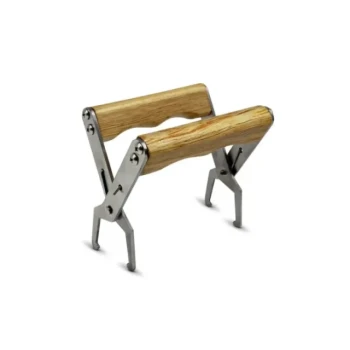
- Premium Frame Grip with Ergonomic Wood Handles
- Professional Hive Top Bee Feeder for Beekeeping
People Also Ask
- What is a telescoping outer cover and what are its advantages? Maximize Hive Protection in Harsh Climates
- What is the function of an outer telescoping cover on a beehive? Ultimate Weather Protection for Your Colony
- What is the purpose of the outer telescoping cover in a beehive? The Key to Weatherproofing Your Hive
- What are the benefits of the telescoping outer cover? Essential Protection for Hive Health & Longevity
- How should a telescoping outer cover be removed? Expert Techniques for Smooth Beekeeping Operations