The outer telescoping cover serves as the primary weather shield for a beehive. Functioning as the "roof" of the colony, it fits securely over the inner cover and the top edge of the uppermost hive body. Its distinguishing feature is the set of sides that extend downward—telescoping over the box—to create a weatherproof seal, typically reinforced with a metal sheet to prevent leaking.
While its primary function is to protect the hive interior from rain, snow, and wind, the telescoping design also pairs with the inner cover to allow for hive inspections with minimal disturbance to the colony.
The Mechanics of Weather Protection
Creating a Water-Resistant Seal
The definitive feature of a telescoping cover is the rim that hangs down over the sides of the top bee box.
This overlap is functional, not decorative. It prevents water from wicking into the gap between the lid and the hive body, ensuring the internal components remain dry during rain or snow.
Material Durability
To withstand constant exposure to the elements, the top of the cover is almost always sheathed in metal.
Common materials include galvanized steel, aluminum, zinc, or copper. This metal layer prevents the wooden structure of the lid from rotting, warping, or developing leaks over time.
Insulation for Harsh Climates
Because of its sturdy construction and overlapping fit, this cover type is the recommended standard for regions with cold winters.
It acts as a heavy-duty barrier against wind and precipitation, helping the colony regulate temperature more effectively than thinner, flush-fitting lids.
Operational Advantages for Beekeepers
The Two-Cover System
The telescoping cover is designed to work in tandem with an inner cover.
The outer cover fits loosely enough to slide over the inner cover, creating a double-layer ceiling. This air gap can provide a small amount of insulation and helps prevent condensation buildup directly above the bees.
Minimizing Colony Disturbance
One of the overlooked functions of this system is how it facilitates gentle hive management.
A beekeeper can remove the heavy outer telescoping cover while leaving the inner cover in place. This allows you to smoke the bees through the inner cover's ventilation hole with minimal disturbance, calming the colony before you fully open the hive.
Understanding the Trade-offs
Cost and Weight
The enhanced protection of a telescoping cover comes at a price. They are generally more expensive and significantly heavier than "migratory" lids (flat covers that sit flush with the box).
Space and Transport Limitations
Because the lid extends past the width of the hive body, hives using telescoping covers cannot be placed directly side-by-side with zero clearance.
This makes them less ideal for large-scale commercial operations that need to pack hives tightly on pallets for truck transport.
Making the Right Choice for Your Goal
While the telescoping cover is the gold standard for protection, your specific apiary needs will dictate its utility.
- If your primary focus is maximum colony survival: The telescoping cover provides superior defense against rain, snow, and temperature fluctuations, making it ideal for stationary, year-round hives.
- If your primary focus is mobility and transport: You must account for the extra width and weight, which may complicate moving hives compared to flush-fitting migratory lids.
By securing the hive environment against the elements, the telescoping cover allows the colony to focus its energy on honey production and brood rearing rather than climate control.
Summary Table:
| Feature | Function & Benefit |
|---|---|
| Telescoping Design | Overlaps the hive body to create a waterproof seal against rain and snow. |
| Metal Sheathing | Typically galvanized steel or aluminum to prevent wood rot and ensure durability. |
| Double-Layer System | Works with an inner cover to provide insulation and reduce bee disturbance. |
| Climate Control | Ideal for cold regions, helping the colony regulate temperature and resist wind. |
Maximize Your Colony's Protection with HONESTBEE
At HONESTBEE, we understand that high-quality hardware is the foundation of a successful apiary. Whether you are a commercial beekeeper or a large-scale distributor, we provide a comprehensive range of premium beekeeping equipment—from durable telescoping covers and hive-making machinery to honey-themed cultural merchandise.
Our wholesale solutions are designed to enhance hive longevity and operational efficiency. Let us help you scale your business with professional-grade tools and essential consumables.
Ready to upgrade your supply? Contact us today to discuss your wholesale needs!
Related Products
- Telescopic Beehive Outer Cover Lid Roof with Galvanised Sheeting for Langstroth Hive and Beehive Outer Cover
- Inner Beehive Cover for Beekeeping Bee Hive Inner Cover
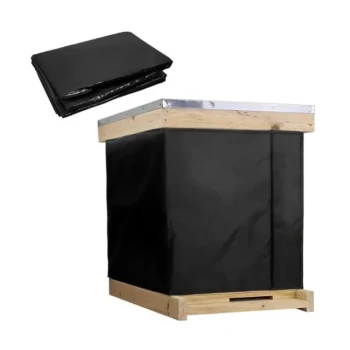
- Professional Insulated Winter Hive Wrap for Beekeeping
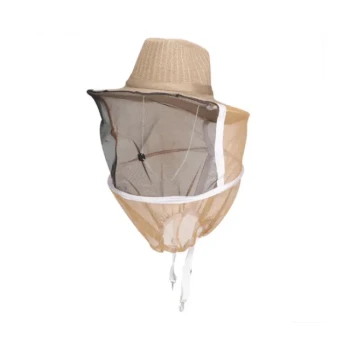
- Premium Cowboy Beekeeper Hat with Visibility Veil Outdoor Professional Beekeeping Protective Gear
- Wooden Bee Hive Frames for Beekeeping and Wholesale
People Also Ask
- What is a telescoping outer cover and what are its advantages? Maximize Hive Protection in Harsh Climates
- What is the purpose of the outer telescoping cover in a beehive? The Key to Weatherproofing Your Hive
- What are the benefits of the telescoping outer cover? Essential Protection for Hive Health & Longevity
- How should a telescoping outer cover be removed? Expert Techniques for Smooth Beekeeping Operations
- What is a telescoping outer cover for a beehive? Protect Your Colony with Superior Weatherproofing