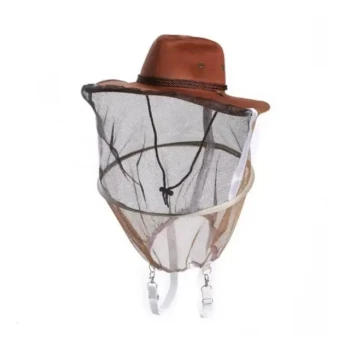
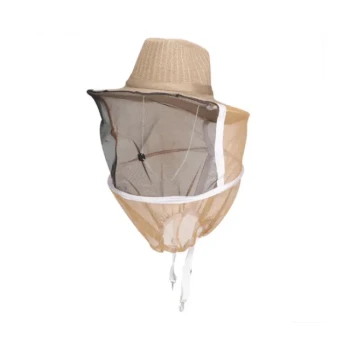
Professional beekeeping protective equipment and smokers function as a dual-layer system for safety and physiological management. They provide a physical shield against stings and an olfactory intervention that suppresses bee aggression. This synergy allows commercial apiaries to maintain high-intensity operational cycles while minimizing labor risks and colony stress.
This equipment is the fundamental foundation for commercial honey production, bridging the gap between human labor and colony biology. By neutralizing defensive behaviors and protecting human capital, these tools ensure consistent honey yields, operational continuity, and long-term colony health.
The Mechanics of Physical Protection
Penetration-Resistant Materials and Airtight Seals
Professional-grade suits and gloves utilize high-density, penetration-resistant fabrics that prevent bee stings even during high-aggression scenarios. These garments are designed with airtight seals at the wrists, ankles, and neck to eliminate entry points for agitated bees. This level of protection is critical for commercial operators who must work continuously in high-density apiaries where sting incidents are statistically more likely.
Hygiene as a Barrier to Contamination
Beyond safety, professional suits serve as a hygienic barrier between the operator and the honey production environment. In commercial settings, preventing the introduction of external contaminants or pathogens is vital for maintaining product purity and regulatory compliance. High-quality gear is designed to be easily sanitized, ensuring that beekeepers do not inadvertently transport pests or diseases between different colony sites.
The Physiological Impact of Smoker Technology
Neutralizing Alarm Pheromones
The primary function of a smoker is to emit cool, low-temperature smoke that interferes with the bees' olfactory receptors. This smoke effectively masks alarm pheromones (isopentyl acetate) released by guard bees, preventing the "recruitment" of the rest of the colony into a defensive state. By disrupting this communication, beekeepers can perform inspections without triggering a mass defensive response.
Triggering the Natural Feeding Instinct
Smoke also induces a physiological feeding response within the hive; bees instinctively consume honey as a survival mechanism against a perceived fire threat. Once their abdomens are distended with honey, they become physically less capable of stinging and much more docile. This controlled environment allows for precise operations and harvesting with minimal disruption to the colony’s normal physiological activities.
Driving Commercial Operational Efficiency
Enabling Rigorous Health Inspections
Industrial-grade gear allows for more frequent and detailed health inspections, which are the backbone of commercial success. Frequent access to the hive facilitates the early detection of pests (such as Varroa mites) or signs of colony absconding. By ensuring the stability of the colony through regular monitoring, these tools indirectly support the continuous efficiency of the entire honey production system.
Streamlining Large-Scale Harvesting
In commercial honey production, speed and efficiency are paramount for profitability. Smokers and protective gear allow teams to work through hundreds of hives in a single shift without the delays caused by aggressive colony behavior or operator injury. This rapid order fulfillment capability at the apiary level ensures that raw materials move quickly to processing facilities.
Understanding the Trade-offs and Risks
Industrial-Grade vs. Entry-Level Equipment
A common pitfall for distributors is sourcing equipment that prioritizes low cost over durability and thermal regulation. Lower-quality suits often lack proper ventilation, leading to operator heat exhaustion during long shifts in the field. Similarly, substandard smokers may produce "hot smoke" that can singe bee wings or contaminate honey with soot, directly impacting the quality of the final product.
The Risk of Supply Chain Lag
For wholesalers, the greatest risk is often procurement delays during peak nectar flows when demand for gear spikes. Working with a partner who offers a comprehensive full-spectrum portfolio and ultra-fast delivery is essential. In commercial beekeeping, a one-week delay in receiving protective gear can result in a significant loss of harvestable honey if the colony cannot be safely managed during the peak window.
Strategic Procurement for Distributors and Wholesalers
How to Apply This to Your Inventory Strategy
Choosing the right equipment for your clients requires balancing technical performance with the logistical needs of large-scale operations.
- If your primary focus is high-intensity commercial apiaries: Prioritize full-body suits with advanced ventilation and industrial-grade smokers that offer consistent, cool smoke output for long durations.
- If your primary focus is wild honey collection or forest environments: Focus on sourcing ultra-durable, penetration-resistant gear and professional climbing-integrated protection to ensure safety in complex terrains.
- If your primary focus is maximizing supply chain reliability: Partner with a one-stop-shop provider that guarantees rapid response times and efficient order fulfillment to prevent seasonal stockouts.
The integration of professional protective gear and advanced smoking tools is not merely a safety measure, but a strategic necessity for high-yield, professional honey production.
Summary Table:
| Feature | Primary Function | Commercial Benefit |
|---|---|---|
| Protective Suits | Physical sting barrier & hygiene | Reduces labor risk & ensures product purity |
| Beekeeping Smokers | Pheromone masking & calming | Enables rapid harvesting & precise inspections |
| Industrial Grade | Thermal regulation & durability | Enhances operator ROI & equipment lifespan |
| Airtight Seals | Prevention of bee entry | Maintains high-intensity operational cycles |
Scale Your Wholesale Success with HONESTBEE
Are you a distributor or commercial apiary seeking a reliable supply chain partner? HONESTBEE specializes in catering to the rigorous demands of the B2B beekeeping industry. We offer a comprehensive one-stop sourcing solution, ranging from high-performance protective gear and industrial smokers to specialized honey-filling machinery and hive-making equipment.
Why Partner with HONESTBEE?
- Full-Spectrum Portfolio: Access everything from essential consumables to honey-themed cultural merchandise.
- B2B Focused Service: We prioritize your profit margins with competitive wholesale pricing and dedicated OEM/ODM support.
- Unmatched Efficiency: Benefit from our ultra-fast delivery, rapid response times, and deep industry expertise to ensure your inventory is always flow-ready.
Don't let supply chain delays impact your harvest. Contact HONESTBEE today to explore our premium trading services and streamline your procurement!
References
- Ligia García, Erick Arellanos. Mapeando la cadena de valor para la comercialización de miel de abejas melíferas desde la región Amazonas del Perú. DOI: 10.7201/earn.2025.01.02
This article is also based on technical information from HonestBee Knowledge Base .
Related Products
- Stainless Steel Honey Bee Smoker Hive and Honeycomb Smoker for Beekeeping
- Professional Bee Smoker with Elongated Spout and Durable Bellows for Beekeeping
- Galvanized Beekeeping Smoker for Honey Bee and Apiculture
- Heavy-Duty Bee Smoker with Durable Plastic Bellows for Beekeeping
- Heavy Duty Manual Bee Smoker Blower for Beekeeping
People Also Ask
- What are bee smokers made out of? Choose the Right Material for Your Apiary
- What type of bee smoker is recommended for a beginner? Top Picks for Easy Hive Management
- Why is a stainless steel bee smoker considered indispensable? Master Hive Management with Cool Smoke Technology
- Why is a specialized bee smoker considered a critical tool for apiary safety? Master Hive Control & Productivity
- What is the best material for a bee smoker? Choose the Right Fuel for a Calm Hive