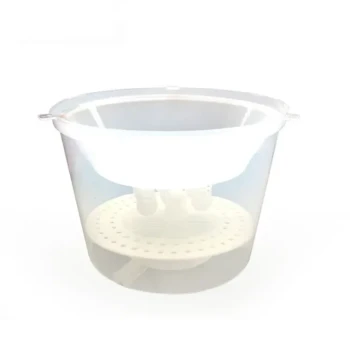
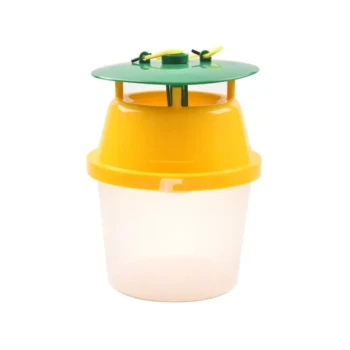
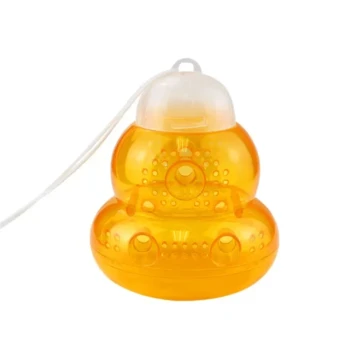
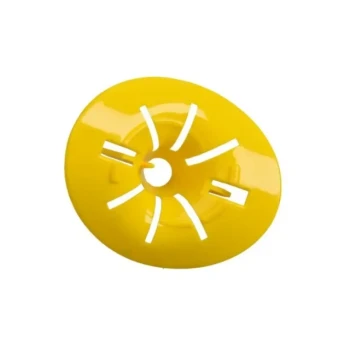
The fundamental design principle behind physical Small Hive Beetle (SHB) traps is the strategic exploitation of the pest’s natural defensive behavior to create a "decoy" refuge.
These devices rely on the beetle's instinct to seek out dark, narrow crevices to escape aggressive honeybees. By engineering a device that mimics these hiding spots but restricts entry to the beetles alone, the trap lures the pests into a containment reservoir where they are neutralized, usually by food-grade oil or specific agents, without exposing the bee colony to chemical treatments.
Core Takeaway Physical SHB traps function as mechanical filters that leverage the beetle’s "flight" response. They provide a precise, safe-looking harbor that admits the smaller beetle while physically excluding the larger honeybee, converting the pest's survival instinct into a containment mechanism.
The Core Design Philosophy: Behavioral Exploitation
To control the Aethina tumida effectively without chemicals, the hardware must outsmart the pest's biology.
Leveraging the Fear Response
The primary reference highlights that beetles naturally seek crevices to hide from honeybee attacks. Traps are designed to simulate these safe zones. When worker bees harass the beetles, the beetles instinctively run toward these dark, protected enclosures.
The "Safe Harbor" Decoy
Internal traps, often placed between frames or on bottom boards, act as artificial crevices. By offering a convenient hiding spot, the trap intercepts beetles that would otherwise burrow into the comb or corners of the hive to lay eggs.
Mechanical Selectivity and Containment
Once the behavior leads the beetle to the trap, mechanical design features ensure they are captured and the bees remain safe.
Size-Based Filtration
The critical feature of these traps is the entrance gap size. The openings are precision-manufactured to be large enough for an adult beetle to enter but too narrow for a worker bee to pass through. This physical exclusion prevents bees from entering the trap and drowning in the reservoir or accessing the killing agents.
The Containment Reservoir
Upon entering the "safe" crevice, the beetle falls into a reservoir. This section typically contains food-grade oil or a specific neutralizing agent. The oil coats the beetle, preventing it from climbing out or flying away, effectively reducing the adult population inside the hive.
Variations in Placement and Function
Different trap designs target beetles at different locations within the hive structure.
Frame-Mounted Traps
These are installed at the top or bottom of hive frames. They capitalize on beetles moving across the comb. Because they sit directly in the active brood area, they are highly effective at capturing beetles seeking immediate refuge from nurse bees.
Bottom Board Filtration
As noted in the supplementary references, bottom board traps utilize gravity and filtration grids. These cover the entire footprint of the hive floor. As beetles are chased off the combs by bees, they fall through a mesh grid into a collection trough filled with oil, while the bees walk safely over the grid.
Entrance Control
While not a "trap" in the traditional sense, entrance reducers exploit physical size differences. By narrowing the hive entrance (the Piquera), beekeepers create a defensive checkpoint that allows bees to defend against incoming beetles more effectively.
Understanding the Trade-offs
While physical traps are essential for Integrated Pest Management (IPM), they have distinct limitations you must recognize.
Adult Focus vs. Larval Damage
These traps primarily target adult beetles. They are excellent for reducing the breeding population, but if a hive is already overrun with beetle larvae (slime), physical traps alone are insufficient to save the colony.
Maintenance Requirements
Traps are not "set and forget" devices. The reservoirs can fill with dead beetles, propolis, or debris. If the oil becomes thick or the entrance gaps get clogged by bees using propolis, the trap loses its functionality and becomes a benign object taking up space.
Context Matters
Supplementary data mentions light traps, but these are designed for workshops, not the interior of a dark hive. Attempting to use light-based attraction inside a hive is ineffective and not the design principle for in-hive control. Stick to crevice-based traps for internal hive use.
Making the Right Choice for Your Goal
Select the trap architecture that matches your current infestation level and management style.
- If your primary focus is Monitoring: Use frame-mounted traps (top or between frames) to gauge the presence of beetles during routine inspections.
- If your primary focus is Population Reduction: Implement bottom board traps combined with frame traps to maximize the surface area for capturing falling and fleeing beetles.
- If your primary focus is Prevention: Ensure your hive components have high airtightness and use entrance reducers to physically limit the beetles' ability to enter the hive initially.
Effective control relies on providing the beetle a place to hide that is actually a trap, turning their survival instinct into their downfall.
Summary Table:
| Feature | Design Principle | Function |
|---|---|---|
| Entry Gaps | Size-Based Filtration | Admits small beetles while physically excluding larger honeybees. |
| Internal Reservoir | Containment Mechanism | Uses food-grade oil to neutralize beetles and prevent escape. |
| Crevice Mimicry | Behavioral Exploitation | Exploits the beetle's instinct to hide from bees in dark, narrow spaces. |
| Placement | Strategic Interception | Located on frames or bottom boards to catch beetles during movement. |
Elevate Your Beekeeping Operation with HONESTBEE
At HONESTBEE, we specialize in empowering commercial apiaries and global distributors with high-performance beekeeping solutions. Whether you need precision-engineered SHB traps, industrial honey-filling machines, or durable hive-making hardware, our comprehensive wholesale portfolio is designed to scale your success.
Why partner with us?
- Wholesale Excellence: Access a full spectrum of professional tools and essential industry consumables.
- Targeted Innovation: From specialized machinery to honey-themed cultural merchandise, we cater to every facet of your business.
- Global Reliability: We supply the hardware and expertise needed to manage pests and maximize honey production efficiency.
Ready to optimize your supply chain or upgrade your facility?
References
- Marco Pietropaoli, Giovanni Formato. Biosecurity measures in European beekeeping. DOI: 10.20506/rst.39.3.3174
This article is also based on technical information from HonestBee Knowledge Base .
Related Products
- Reusable Aluminium Beetle Trap for Small Hive Beetles Silver Bullet
- Reusable Clear Small Hive Beetle Traps for Beehives Beetle Trapping Tools
- Removable Washable Hive Beetle Trap Attractants for Small Hive Beetles
- Black Plastic Beetle Barn Hive Beetle Trap for Beehives
- Plastic Beetle Blaster Trap Beekeeping Tools and Supplies
People Also Ask
- How should powdered substances be used in beetle traps for hive beetle control? Expert Guide for Maximum Colony Protection
- Why are beetle traps less effective during winter? Seasonal Shifts in Pest Control Explained
- When is the best time to use small hive beetle traps in cold climates? Protect Your Honeybee Winter Stores Now
- When and how should disposable traps for small hive beetles be removed? Master Hive Hygiene and Efficiency
- How do small hive beetle traps contribute to colony management? Enhance Diagnostic Accuracy and Protect Hive Health