The introduction of certified high-quality Queen Bees directly elevates apiary productivity by systematically improving the colony's genetic foundation. This intervention increases egg-laying rates, minimizes production-halting behaviors like swarming, and fortifies the hive against pests, resulting in a measurable increase in honey output and overall survival rates.
The Queen determines the colony’s ceiling. While equipment matters, the queen bee is the single biological factor that dictates the vitality and capacity of the entire hive. Introducing superior genetics transforms an apiary from a passive operation into a stable, high-yield production system.
The Biological Mechanisms of Improvement
Accelerating Colony Growth
The primary driver of productivity is the queen's egg-laying rate. Certified high-quality queens are bred specifically to maintain high population numbers.
A larger workforce directly translates to higher productivity. With more bees available, the colony transitions faster from building infrastructure to gathering resources.
Enhancing Foraging Capacity
Superior genetics do not just produce more bees; they produce better workers. These queens pass down traits that enhance the foraging activity of the hive.
This ensures that during peak nectar flows, the colony is maximizing its collection potential rather than struggling with population deficits.
Minimizing Counter-Productive Behaviors
High-quality queens are selected for low swarming tendencies. Swarming acts as a major disruption to productivity, as it splits the colony’s workforce and resources.
By reducing the biological urge to swarm, the colony retains its population density and remains focused on honey production throughout the season.
Resilience and Environmental Adaptation
Natural Disease Resistance
Productivity is impossible without health. Certified queens often possess natural resistance to critical pests, specifically Varroa mites and other colony diseases.
This genetic defense reduces the need for chemical interventions and lowers the mortality rate of the hive, ensuring consistent output year over year.
Adaptation to Local Climates
Generic stock may struggle with extreme weather, but selected queens are often bred for environmental adaptability.
This resilience allows the colony to maintain productivity even during less-than-ideal climatic conditions, resolving issues related to breed degradation or lack of local adaptation.
Understanding the Operational Requirements
The Necessity of Professional Management
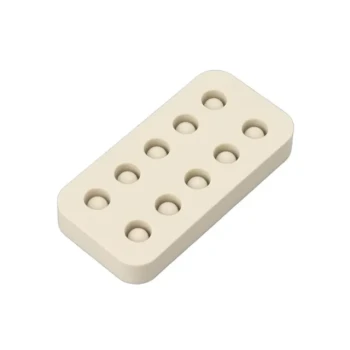
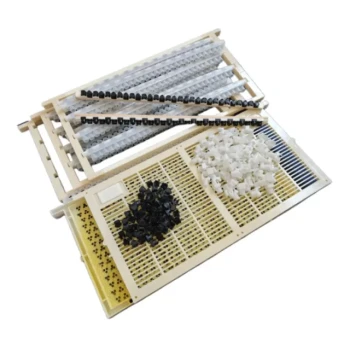
Introducing a high-quality queen is not a "set it and forget it" solution. To ensure these genetic traits are successfully passed down, apiaries often require professional rearing equipment, such as mating hives and specialized frames.
The Learning Curve of Directional Breeding
Achieving consistent results requires a move toward artificial directional breeding. This demands a higher level of technical skill to simulate optimal hatching environments.
Without the proper tools and techniques to ensure the acceptance and success of queen replacement, the investment in superior genetics may be wasted.
Making the Right Choice for Your Goal
To derive the most value from high-quality queens, align your selection with your specific operational targets:
- If your primary focus is Maximum Honey Yield: Prioritize queens with genetic markers for high egg-laying rates and extended foraging activity to maximize resource collection.
- If your primary focus is Colony Survival: Select queens bred specifically for disease resistance (such as Varroa hygiene) and adaptability to your specific local climate extremes.
- If your primary focus is Long-Term Stability: Focus on replacing aging stock regularly to prevent breed degradation and ensure a consistent biological foundation for the apiary.
Invest in the genetics of your queen, and you invest in the certainty of your harvest.
Summary Table:
| Impact Factor | Benefit of High-Quality Queen Bees | Resulting Productivity Gain |
|---|---|---|
| Egg-Laying Rate | High-volume, consistent brood production | Rapid colony growth and larger workforce |
| Foraging Drive | Enhanced genetic traits for resource gathering | Increased honey and pollen collection |
| Swarm Control | Low genetic tendency to swarm | Retained colony strength during peak flow |
| Disease Resistance | Natural defense against Varroa and pests | Lower mortality and reduced chemical costs |
| Adaptability | Better resilience to local climate extremes | Stable production in varied weather conditions |
Maximize Your Apiary’s Potential with HONESTBEE
Quality genetics deserve professional-grade support. At HONESTBEE, we empower commercial apiaries and distributors with the specialized tools needed to sustain high-yield production systems. Whether you are scaling up with hive-making and honey-filling machinery or need precision rearing equipment for your queen breeding program, our comprehensive wholesale portfolio has you covered.
From essential consumables to high-end hardware and honey-themed cultural merchandise, we provide the full spectrum of equipment to ensure your superior genetics translate into maximum profit.
Ready to elevate your beekeeping operation?
Contact HONESTBEE Today for Custom Wholesale Solutions
References
- Ayşe KÜÇÜK, Orhan Yasin Şahinoğlu. Orman köylerinde arıcılık sorunları ve çözüm önerileri (Trabzon Orman Bölge Müdürlüğü örneği). DOI: 10.17568/ogmoad.997825
This article is also based on technical information from HonestBee Knowledge Base .
Related Products
- Professional Queen Bee Introduction and Transport Cage
- High Performance Plastic Queen Excluder for Beekeeping and Apiary Management
- Durable Galvanized Steel Spring Queen Bee Cage
- High-Efficiency 20-Cell Silicone Mold for Beeswax Bee Queen Cup Production
- Wooden Queen Bee Excluder for Beekeeping
People Also Ask
- Why are specialized queen bee cages used for the banking of mated queen bees? Maximize Commercial Apiary Storage Efficiency
- What is the mechanism of action for using temporary queen bee cages? Master Successful Queen Introduction
- How is a queen bee released from a queen cage? Ensure Safe Colony Integration & Hive Success
- What materials are required to install a queen bee's cage into a hive? Essential Tools for Successful Queen Integration
- How long should a queen bee stay in the cage before being released? Ensure a Successful Introduction