A front pollen trap is a specialized mechanical interface installed directly at the entrance of a beehive. Its primary function is to intercept foraging bees as they return to the colony, using a physical barrier to gently scrape pollen pellets from their hind legs. This device enables the non-destructive collection of bulk pollen samples, allowing researchers and managers to assess the colony's intake without harming the insects.
By activating these traps during specific intervals, such as 48-hour cycles, you capture a representative snapshot of the colony's diet. This data is valuable for analyzing plant resource utilization and understanding how floral diversity shifts across different seasons.
The Mechanism of Action
Physical Separation Barriers
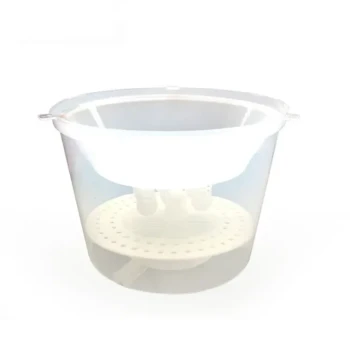
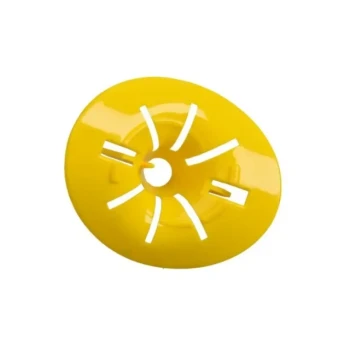
The core component of the trap is a physical grid system with precise aperture specifications. As bees navigate through these small openings to enter the hive, the mechanical barriers dislodge the pollen loads carried on their legs.
Automated Harvesting
Once separated from the bee, the pollen pellets fall into a collection tray below the entrance. This automates the harvesting process, eliminating the need for manual extraction from within the hive frames.
Preservation of Integrity
The design focuses on separating the pollen without causing physical injury to the bee. This ensures the raw pollen maintains its initial purity and physical integrity, which is critical for accurate analysis or commercial processing.
Applications in Research and Management
Monitoring Resource Utilization
Based on the primary reference, the front pollen trap is a vital tool for studying "plant resource utilization patterns." By analyzing the collected samples, you can identify exactly which plants the bees are visiting.
Tracking Seasonal Shifts
Foraging habits change rapidly as different plants bloom. Using the trap in controlled cycles allows you to map these changes over time, providing a timeline of floral availability in the surrounding environment.
Assessment of Colony Nutrition
The samples provide a direct look at the nutritional input of the hive. This helps beekeepers understand if the colony is finding sufficient diversity and volume of protein sources to sustain brood rearing.
Understanding the Trade-offs
Intermittent Activation is Crucial
You should not leave pollen traps active meant continuously. As noted in the primary reference, usage is often restricted to specific intervals (e.g., 48-hour cycles) to ensure the colony still retains enough pollen for its own survival.
Thermal Risks and Fungal Growth
Some advanced traps utilize solar thermal chambers to pre-dry the pollen and reduce moisture. While this helps inhibit general microbial activity, it introduces a complex variable.
The Micro-Environment Challenge
The specific micro-environment within a heated trap can unintentionally favor certain organisms. For example, improper balance between heat and ventilation may cause Penicillium to become the dominant fungal group, compromising the sample quality.
Making the Right Choice for Your Goal
To use a front pollen trap effectively, you must align your usage pattern with your specific objective.
- If your primary focus is ecological research: Implement strict intermittent sampling cycles (like 48 hours) to gather data on seasonal plant diversity without impacting colony health.
- If your primary focus is commercial production: Prioritize trap designs with high-precision apertures to maximize harvest purity and ensure the structural integrity of the pollen for processing.
Used correctly, the front pollen trap serves as a non-invasive window into the complex relationship between the colony and its environment.
Summary Table:
| Feature | Function & Impact |
|---|---|
| Mechanism | Physical grid system that gently dislodges pollen pellets from foraging bees. |
| Research Use | Maps plant resource utilization patterns and seasonal floral diversity. |
| Hive Health | Monitors colony nutritional intake to ensure protein sufficiency for brood. |
| Cycle Timing | Typically used in 48-hour cycles to prevent colony starvation. |
| Quality Control | Automated harvesting into trays maintains pollen purity and structural integrity. |
Maximize Your Apiary Productivity with HONESTBEE
At HONESTBEE, we understand the precision required for both scientific research and large-scale commercial beekeeping. As a leading global supplier, we offer a comprehensive range of professional-grade beekeeping tools, specialized machinery, and hive consumables designed to enhance your operational efficiency.
Whether you are a commercial apiary looking for high-precision hive-making and honey-filling machines or a distributor seeking a reliable wholesale partner for industry-leading equipment, we have the expertise to support your growth. Our portfolio ranges from essential hardware to honey-themed cultural merchandise, providing a one-stop solution for the modern beekeeping industry.
Ready to elevate your beekeeping operations? Contact us today to discuss your wholesale needs
References
- Thomas J. Wood, Zsofia Szendrei. Wild Bee Pollen Diets Reveal Patterns of Seasonal Foraging Resources for Honey Bees. DOI: 10.3389/fevo.2018.00210
This article is also based on technical information from HonestBee Knowledge Base .
Related Products
- Removable Plastic Pollen Trap With Ventilated Tray for Bees Pollen Collector
- 30 cm Plastic Entrance Hole Bee Pollen Trap and Collector
- Plastic Bee Pollen Trap Strips Comb Catcher Collector
- High-Efficiency Diamond Maze Bee Escape for Clearing Supers
- 8 Frame and 10 Frame Propolis Trap Collector Screen for Propolis Collection
People Also Ask
- What are the design principles and advantages of pollen traps in the collection of bee pollen? Boost Your Apiary Yield
- What is the function of professional pollen traps in evaluating honey plants? Quantifying Pollination and Crop Potential
- What functions do pollen traps serve for bee bread production? Optimize Your Raw Material Collection
- What maintenance and pest prevention measures should be taken for pollen traps? Protect Your Hive and Harvest Quality
- How does the use of pollen traps in honeybee hives enhance crop fertilization? Boost Your Yield Through Induced Activity