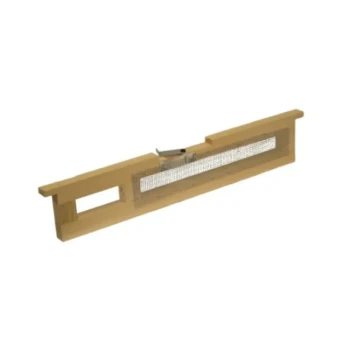
A high-precision artificial insemination instrument functions as a mechanism for absolute reproductive control in honey bee research, allowing scientists to dictate the specific genetic input and physical volume of insemination. This tool enables the exact delivery of semen—such as 1 microliter for single-drone insemination or 10 microliters for multi-drone insemination—effectively bypassing the uncontrollable variables inherent in natural mating.
By replacing the random nature of open-air mating with laboratory precision, this instrument transforms reproduction into a controlled variable. It enables the isolation of specific factors—such as insemination volume and genetic lineage—to determine their independent effects on queen physiology, colony behavior, and trait inheritance.
From Randomness to Rigor
Natural honey bee mating is chaotic, involving random aerial encounters with multiple drones of unknown origin. High-precision instruments eliminate this uncertainty to create a closed, controlled mating environment.
Precision in Semen Volume
The primary research function of these instruments is to control the exact volume of semen introduced to the queen. Researchers can switch between low volumes (e.g., 1 microliter) and high volumes (e.g., 10 microliters) to simulate different mating scenarios.
Isolating Physiological Variables
By controlling volume, researchers can study how the quantity of insemination independently affects the queen. This allows for the specific analysis of how semen volume impacts queen physiology, her behavior within the hive, and subsequent social interactions among the colony.
Elimination of External Interference
In the wild, "foreign" drones from unmanaged colonies often interfere with breeding goals. Artificial insemination physically prevents these unknown drones from contributing genetic material, ensuring the research data remains uncorrupted by outside variables.
Facilitating Genetic Selection
Beyond physiological study, these instruments are the core tools for genetic definition and pedigree clarity. They allow researchers to move from observation to active manipulation of the bee genome.
Defining Paternal Lineage
This equipment enables the selection of specific drones to mate with a specific virgin queen. This clarifies paternal information, allowing for the creation of exact pedigrees that are impossible to achieve through natural mating or even isolated mating stations.
Targeting Specific Traits
Researchers use this precision to fix desirable characteristics within a population. By selecting drones with specific backgrounds, scientists can strengthen quantitative traits such as Varroa mite resistance, high honey yield, or propolis collection behavior.
Creating Closed Populations
The instrument allows for the maintenance of purebred lines and specific hybrid combinations. This is essential for conducting gene evaluation experiments where the "noise" of diverse genetics would otherwise obscure the results.
Understanding the Trade-offs
While high-precision insemination offers control, it introduces specific challenges that researchers must manage to ensure valid results.
Technical Complexity and Skill
Unlike natural mating, this process relies on micro-injection systems and high-precision microscopes. The success of the procedure is heavily dependent on the operator's technical skill and the calibration of the equipment.
Biological Limitations
While the instrument controls the mechanics of mating, it cannot replicate the full environmental context of a nuptial flight. Researchers must account for the fact that they are bypassing natural selection pressures that usually occur during aerial mating.
Making the Right Choice for Your Goal
To maximize the value of a high-precision artificial insemination instrument, you must align its capabilities with your specific research objectives.
- If your primary focus is Physiological Research: Leverage the volume control to test how different insemination quantities (1µl vs. 10µl) alter the queen's longevity and the colony's social structure.
- If your primary focus is Genetic Breeding: Use the source control to enforce strict monogamy or specific polyandry, ensuring the accurate transmission of recessive traits like disease resistance.
The true power of this instrument lies not just in breeding bees, but in converting the chaotic biology of reproduction into hard, measurable data points.
Summary Table:
| Feature | Research Function | Impact on Breeding |
|---|---|---|
| Semen Volume Control | Precise delivery (1µl to 10µl) | Allows study of queen physiology & behavior |
| Paternal Lineage | Selection of specific drones | Ensures clear pedigrees and genetic purity |
| Closed Environment | Elimination of external drones | Prevents contamination from unknown wild genetics |
| Trait Targeting | Selection for specific markers | Enhances resistance to Varroa and honey yield |
Elevate Your Bee Breeding & Research with HONESTBEE
At HONESTBEE, we specialize in empowering commercial apiaries, research institutions, and distributors with the precision tools needed for modern apiculture. Our comprehensive wholesale offering includes everything from high-precision artificial insemination instruments and hive-making machines to advanced honey-filling equipment and essential industry consumables.
Whether you are aiming to stabilize genetic traits like disease resistance or scale up your production efficiency, we provide the hardware and expertise to help you succeed. Partner with us to access professional-grade beekeeping tools and honey-themed cultural merchandise designed for global markets.
Ready to transform your operation with laboratory-grade precision?
Contact HONESTBEE Today to explore our wholesale solutions!
References
- Freddie‐Jeanne Richard, Christina M. Grozinger. Effects of Insemination Quantity on Honey Bee Queen Physiology. DOI: 10.1371/journal.pone.0000980
This article is also based on technical information from HonestBee Knowledge Base .
Related Products
- Queen Bee Artificial Insemination Instrument Equipment for Instrumental Insemination
- Stainless Steel Beekeeping Queen Grafting Tool for Honey Bee Rearing
- Plastic Beekeeping Honey Bee Larvae Grafting Tools for Queen Rearing and Chinese Grafting
- Plastic Handle Single Row Artificial Fiber Bee Brush
- Plastic Chinese Queen Grafting Tool for Bee Queen Rearing
People Also Ask
- Why is maintaining sanitary conditions important during artificial insemination? Protect Your Queen from Fatal Infections
- Why are artificial insemination instruments critical in bee hybridization? Master Genetic Control & Pure Breeding
- What is the core value of bee artificial insemination instruments in breed improvement? Achieve Precise Genetic Control
- Why is professional bee artificial insemination equipment considered a core tool for genetic control in honeybee breeding? Ensure 100% Purity
- Why is high-purity CO2 used for queen bee artificial insemination? Unlock Precision Breeding & Faster Egg-Laying