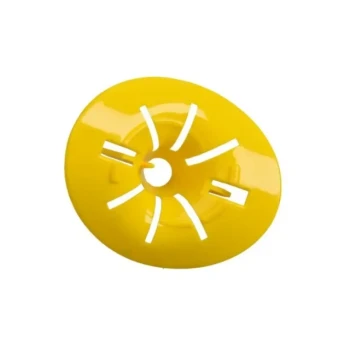
A pollen trap is a mechanical harvesting interface installed directly at the entrance of a beehive. Its specific function is to intercept returning forager bees and physically strip pollen pellets from their hind legs, collecting the material in a specialized drawer for commercial processing or scientific analysis.
By installing this device, a beekeeper transforms the hive from a honey-only production unit into a multi-product operation. The trap facilitates the clean collection of high-protein pollen for the marketplace while simultaneously serving as a diagnostic tool for monitoring local biodiversity and colony foraging efficiency.
The Mechanical Principle
Physical Interception
The core mechanism of a pollen trap is a mechanical barrier, typically a grid or fence with precisely sized apertures.
These openings are calibrated to be just large enough for a worker bee to pass through, but small enough to obstruct the pollen pellets attached to their hind legs.
The Collection Process
As the bee forces its way through the grid to enter the hive, the mechanical friction dislodges the pollen granules.
These pellets fall through a separate screen into a collection drawer below, ensuring the harvest remains clean and distinct from other hive debris.
Commercial and Economic Utility
Product Diversification
For commercial operations, the pollen trap is the primary hardware used to expand revenue streams beyond honey production.
It allows the apiary to harvest high-protein bee pollen as a raw material, which is highly valued as a nutritional consumable or supplement.
High-Purity Harvesting
Unlike extracting pollen stored inside the comb, which can be labor-intensive and impure, the trap collects "fresh" pollen immediately upon arrival.
This results in a high-purity sample suitable for immediate processing, packaging, or nutritional analysis.
Strategic and Analytical Applications
Monitoring Biodiversity
Beyond sales, the trap acts as a sampling device for assessing the surrounding environment.
By analyzing the types of pollen collected, beekeepers can identify the specific plant biodiversity in the hive's range, confirming which floral resources are currently available.
Optimizing Hive Management
The data gathered from the trap allows for the evaluation of collection efficiency.
Beekeepers can use this information to optimize the spatial and temporal distribution of their hives, moving colonies to areas with better floral resources to maximize productivity.
Understanding the Trade-offs
Balancing Yield vs. Colony Health
A pollen trap is an extractive tool that removes a vital protein source required for the hive's brood development.
It is critical not to harvest 100% of the incoming pollen. The device is typically designed or managed to retain a specific portion (often around 10%) to ensure the colony's normal development is not disrupted.
Timing and Usage
Continuous use of a trap can be detrimental to the hive.
Effective management often involves deploying traps only during peak foraging periods (e.g., between 6:00 AM and 11:00 AM) or specific seasons to maximize quality without starving the colony.
Making the Right Choice for Your Goal
Whether you are focusing on profit or data, the application of the trap changes slightly.
- If your primary focus is Commercial Revenue: Prioritize deploying traps during peak bloom windows to harvest high-protein pollen for sale, but rotate usage to prevent stalling brood rearing.
- If your primary focus is Hive Management: Use the trap intermittently to sample local biodiversity, using the data to decide if hives need to be relocated to areas with better resources.
Successful use of a pollen trap requires viewing it not just as a collector, but as a filter that balances immediate harvest with the long-term sustainability of the colony.
Summary Table:
| Feature | Function & Impact |
|---|---|
| Core Mechanism | Mechanical grid strips pollen from bees' legs upon hive entry. |
| Primary Purpose | Harvesting high-protein bee pollen for commercial sale and supplements. |
| Analytical Value | Monitors local floral biodiversity and evaluates foraging efficiency. |
| Harvest Quality | Ensures high-purity, fresh samples separate from hive debris. |
| Management Rule | Recommended harvest of ~10% to protect brood development. |
| Optimal Timing | Typically deployed during peak morning foraging (6:00 AM - 11:00 AM). |
Maximize Your Apiary’s Potential with HONESTBEE
Are you looking to diversify your production and scale your commercial beekeeping operation? HONESTBEE specializes in providing commercial apiaries and distributors with premium, high-efficiency beekeeping solutions. From high-purity pollen traps and hive-making machinery to advanced honey-filling systems and industry consumables, our comprehensive wholesale portfolio is designed to enhance your productivity.
Whether you need specialized hardware or honey-themed cultural merchandise to expand your brand, we bring the expertise and equipment you need to succeed. Contact us today to discuss how our professional-grade tools can optimize your harvest and grow your business!
References
- Zheko Radev. Water Content of Honey Bee Collected Pollen from 50 Plants from Bulgaria. DOI: 10.31031/mcda.2018.03.000563
This article is also based on technical information from HonestBee Knowledge Base .
Related Products
- Removable Plastic Pollen Trap With Ventilated Tray for Bees Pollen Collector
- 30 cm Plastic Entrance Hole Bee Pollen Trap and Collector
- Plastic Bee Pollen Trap Strips Comb Catcher Collector
- 8 Frame and 10 Frame Propolis Trap Collector Screen for Propolis Collection
- Professional Bucket Style Wasp and Moth Pheromone Trap
People Also Ask
- What are the design principles and advantages of pollen traps in the collection of bee pollen? Boost Your Apiary Yield
- What is the function of professional pollen traps in evaluating honey plants? Quantifying Pollination and Crop Potential
- What functions do pollen traps serve for bee bread production? Optimize Your Raw Material Collection
- What maintenance and pest prevention measures should be taken for pollen traps? Protect Your Hive and Harvest Quality
- How does the use of pollen traps in honeybee hives enhance crop fertilization? Boost Your Yield Through Induced Activity