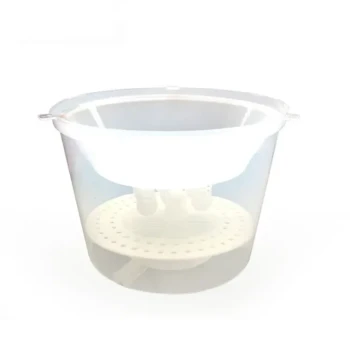
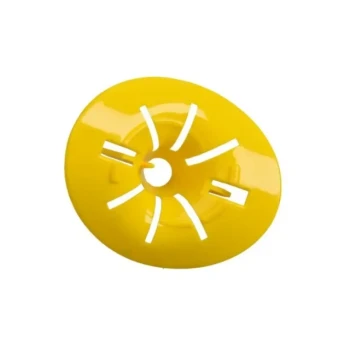
A professional pollen trap is a specialized mechanical interface installed at the entrance of a beehive. Its primary function is to serve as a physical barrier that gently dislodges pollen pellets from the hind legs of returning forager bees, capturing the material in a collection tray before it can be stored or processed inside the colony.
Core Takeaway By intercepting pollen at the exact moment of return, these traps provide researchers with a non-invasive, highly synchronized snapshot of a colony’s foraging activity. They transform the hive into a biological data collector, delivering raw, unprocessed samples essential for analyzing plant preferences, nutritional intake, and environmental toxicity.
The Mechanics of Acquisition
To understand the utility of the pollen trap, one must first understand how it standardizes the collection process without harming the hive.
Mechanical Separation
The device functions by forcing returning bees to navigate a specific physical barrier or grid. As the bees squeeze through this constriction to enter the hive, the pollen loads attached to their hind legs are mechanically stripped off.
Preservation of Raw Samples
Crucially, the trap harvests pollen before it enters the hive's internal ecosystem. This ensures the samples are "fresh" and have not been fermented into bee bread or chemically altered by the colony, preserving the original state of the plant resource.
Non-Invasive Sampling
Unlike internal hive inspections, which disrupt colony temperature and organization, pollen traps operate externally. This allows for continuous data collection regarding resource intake without requiring the researcher to open the hive or manipulate the frames.
Applications in Research and Analysis
The value of a professional pollen trap lies in its ability to turn biological foraging into quantifiable data points.
Identifying Floral Sources
The collected pellets serve as a direct record of the plants the colony is visiting. Researchers analyze these samples based on color and morphology to classify and identify the primary floral sources utilized during a specific flowering period.
Temporal Synchronization
Traps enable researchers to isolate data to specific timeframes. By collecting samples at set intervals, scientists can obtain data that is highly synchronized with specific environmental events, such as the blooming of a particular crop.
Toxicity and Nutritional Assessment
Once collected, the raw pollen is used for chemical analysis. This allows for the assessment of the colony's nutritional intake (protein levels) and facilitates toxicity experiments to determine if bees are bringing back contaminants from specific plant sources.
Understanding the Trade-offs
While pollen traps are powerful tools, they introduce variables that must be managed to ensure data integrity and colony health.
Nutritional Stress on the Colony
The trap is designed to remove the colony's primary protein source. If used continuously without breaks, it can starve the hive of the nutrition required to rear brood, artificially weakening the colony you are trying to study.
Entrance Congestion
The physical barrier inherently restricts the flow of traffic at the hive entrance. During peak foraging hours, this can cause significant congestion, potentially altering the behavior of the bees or slowing down their overall collection efficiency.
Making the Right Choice for Your Goal
When integrating pollen traps into your research methodology, align your usage schedule with your specific analytical objectives.
- If your primary focus is Botanical Mapping: Deploy traps for short, specific intervals during peak bloom to identify floral sources without stressing the colony.
- If your primary focus is Environmental Toxicology: Collect samples continuously over a designated period to ensure you capture intermittent exposure to pesticides or contaminants.
A professional pollen trap is not just a collection bucket; it is a gateway to understanding the complex interaction between the honeybee colony and its botanical environment.
Summary Table:
| Feature | Function in Research | Key Benefit |
|---|---|---|
| Mechanical Grid | Gently strips pollen pellets from forager bees | Provides raw, non-fermented samples |
| Collection Tray | Captures debris-free pollen samples | Enables precise temporal data synchronization |
| External Interface | Operates at the hive entrance | Non-invasive data collection without hive disruption |
| Sample Purity | Prevents conversion into 'bee bread' | Maintains integrity for chemical and protein analysis |
Scale Your Apiary Research with HONESTBEE
At HONESTBEE, we specialize in supporting commercial apiaries and global distributors with professional-grade beekeeping tools. Whether you are conducting large-scale foraging analysis or managing a commercial honey production line, our portfolio offers the equipment you need to succeed—from specialized hive-making and honey-filling machinery to essential industry consumables.
Why partner with HONESTBEE?
- Comprehensive Wholesale Catalog: Access a full spectrum of beekeeping hardware and specialized machinery.
- Built for Professionals: Our equipment is designed for the rigorous demands of commercial research and industrial honey production.
- Expert Support: We understand the needs of distributors and large-scale operators.
Contact HONESTBEE today to discuss your equipment needs and wholesale opportunities!
References
- Magalí Verónica Méndez, Liliana C. Lupo. Recurso polinífero utilizado por Apis mellifera L. (Himenoptera: Apidae) en un área de bosque subtropical del noroeste de Argentina. DOI: 10.15517/rbt.v66i3.30856
This article is also based on technical information from HonestBee Knowledge Base .
Related Products
- Removable Plastic Pollen Trap With Ventilated Tray for Bees Pollen Collector
- 30 cm Plastic Entrance Hole Bee Pollen Trap and Collector
- Plastic Bee Pollen Trap Strips Comb Catcher Collector
- Professional Multi-Component Bucket Wasp Trap
- Professional Bucket Style Wasp and Moth Pheromone Trap
People Also Ask
- What are the design principles and advantages of pollen traps in the collection of bee pollen? Boost Your Apiary Yield
- What is the function of professional pollen traps in evaluating honey plants? Quantifying Pollination and Crop Potential
- What functions do pollen traps serve for bee bread production? Optimize Your Raw Material Collection
- What maintenance and pest prevention measures should be taken for pollen traps? Protect Your Hive and Harvest Quality
- How does the use of pollen traps in honeybee hives enhance crop fertilization? Boost Your Yield Through Induced Activity