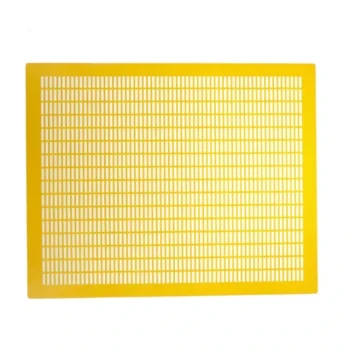
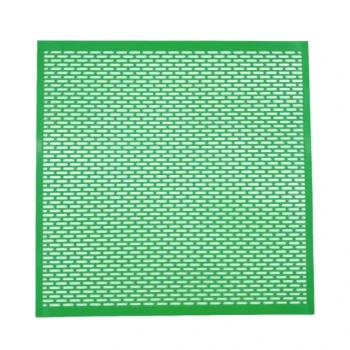
The solid division board with an integrated queen excluder functions as a biological control valve for the hive. Its primary purpose is to physically confine the queen to a specific zone while permitting worker bees to move freely between sections. By doing so, it creates a specific physiological environment known as "incomplete queenlessness," which triggers the colony to produce royal jelly at significantly higher rates than under normal conditions.
Core Insight: By isolating the queen without removing her, this device simulates a crisis state that compels worker bees to intensively feed larvae in artificial cups, maximizing royal jelly yield while maintaining colony stability.
Engineering the Hive Environment
Controlling Queen Movement
The fundamental role of the solid division board is to act as an impassable barrier for the queen bee. By restricting her to a designated area, beekeepers prevent her from accessing the production frames where royal jelly is being harvested. This isolation is critical for protecting the artificial queen cups from the queen's natural instinct to destroy potential rivals.
Facilitating Worker Traffic
While the board stops the queen, the integrated excluder is precision-engineered to allow smaller worker bees to pass through unimpeded. This ensures that the section of the hive containing the royal jelly larvae is not cut off from the colony's workforce. The workers can freely travel to the isolated section to perform nursing duties.
The Mechanism of "Incomplete Queenlessness"
Simulating a Physiological State
The device creates a unique duality within the hive: the colony is technically queen-right (the queen is present), but the isolated section feels "queenless." This specific configuration induces a stress response or urgency in the worker bees located in the production section.
Triggering Intensive Feeding
Because the workers in the isolated section perceive a lack of direct contact with the queen, they are tricked into a reproductive survival mode. Their instinct to rear a new queen kicks in, leading them to intensively feed the larvae in the artificial queen cups. This biological manipulation is the direct cause of the increased royal jelly secretion.
Operational Considerations and Trade-offs
Equipment Specificity
It is important to note that this method relies heavily on the structural integrity of the equipment. If the division board is not perfectly fitted or the excluder is damaged, the queen may breach the barrier, leading to the destruction of the queen cells and a failed harvest.
Interdependency with Other Tools
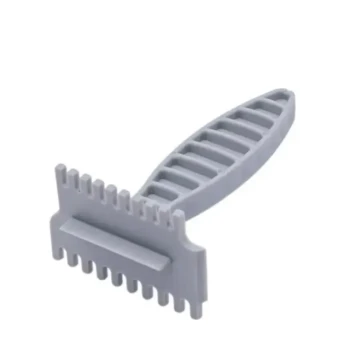
The division board does not function in a vacuum; it works in concert with specialized grafting frames. While the board creates the environment for production, the grafting frames provide the carrier for the larvae. The efficiency of the system depends on the precise alignment of these two components to ensure uniform temperature and nursing positions.
Making the Right Choice for Your Goal
To effectively implement the incomplete queenlessness method, consider your specific production objectives:
- If your primary focus is Maximizing Yield: Utilize the solid division board to induce intensive feeding behavior without the downtime associated with removing the queen entirely.
- If your primary focus is Colony Stability: rely on the integrated excluder feature to ensure "biological consistency" by allowing workers to maintain the health of the isolated section.
This equipment allows you to exploit the colony's natural biology for high-efficiency production without disrupting the hive's demographic continuity.
Summary Table:
| Feature | Function in Royal Jelly Production | Benefit to Beekeeping |
|---|---|---|
| Queen Restriction | Physically confines the queen to a specific zone. | Protects artificial queen cups from destruction. |
| Integrated Excluder | Allows worker bees to pass while blocking the queen. | Maintains nursing workforce in the production area. |
| Incomplete Queenlessness | Simulates a queenless state in a queen-right colony. | Triggers intensive feeding and higher jelly secretion. |
| Biological Valve | Controls hive traffic and pheromone distribution. | Enhances colony stability while maximizing yield. |
Maximize Your Royal Jelly Production with HONESTBEE
Are you looking to scale your royal jelly output without compromising colony health? HONESTBEE specializes in professional-grade beekeeping equipment designed for commercial apiaries and global distributors. From precision-engineered solid division boards and queen excluders to specialized honey-filling machines and hive-making hardware, we provide the full spectrum of tools needed to optimize your operations.
Our comprehensive wholesale offering ensures that you receive durable, high-efficiency equipment tailored to the demands of modern apiculture. Partner with a supplier that understands the science of the hive.
Ready to upgrade your apiary’s efficiency? Contact HONESTBEE Today to explore our full range of wholesale beekeeping machinery and consumables.
References
- O. Mishchenko, K. Afara. CПОСОБИ ФОРМУВАННЯ СІМЕЙ-ВИХОВАТЕЛЬОК У ТЕХНОЛОГІЇ ВИРОБНИЦТВА БДЖОЛИНОГО МАТОЧНОГО МОЛОЧКА. DOI: 10.46913/beekeepingjournal.2022.10.04
This article is also based on technical information from HonestBee Knowledge Base .
Related Products
- Premium Wood Framed Metal Wire Queen Bee Excluder
- High-Efficiency Diamond Maze Bee Escape for Clearing Supers
- Wooden Queen Bee Excluder for Beekeeping
- Metal Queen Bee Excluder for Beekeeping
- Professional Plastic Queen Excluder for Modern Beekeeping
People Also Ask
- What types of queen excluders are available for beekeepers? Choose the Right Tool for Your Hive
- Why are standardized hive frames and queen excluders essential for maintaining honey purity and quality? Scale Your Purity
- How does a queen-bee excluder function as a defense against Small Hive Beetles? Protect Your Honey with Resource Denial
- What is the purpose of an entrance queen excluder? Prevent Absconding and Stabilize Your New Honeybee Colony
- What is the function of a queen excluder? Maximize Honey Yield and Ensure Data Integrity for Your Apiary