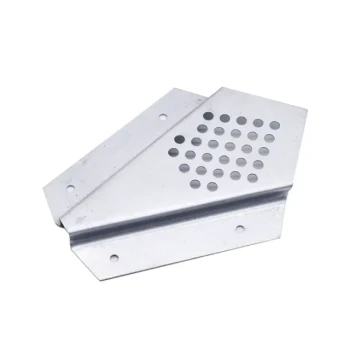
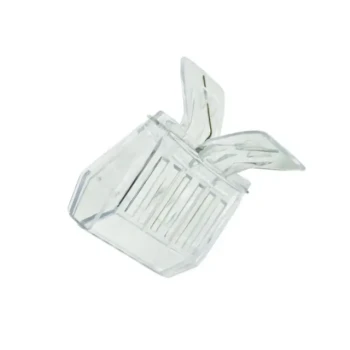
The primary purpose of an entrance queen excluder is colony retention. When transferring a colony, this device acts as a physical barrier that allows smaller worker bees to forage freely while trapping the larger queen bee inside the hive. By preventing the queen from fleeing, you effectively stop the entire colony from absconding during the stressful transition period.
The entrance excluder serves as a temporary anchor. By physically restricting the queen, you force the colony to stabilize, build comb, and begin egg-laying—biological processes that naturally bind the bees to their new location.
The Mechanics of Colony Retention
Preventing the "Absconding" Instinct
When a honeybee colony is moved to a new environment, they experience significant stress. Their natural instinct may be to abscond, or abandon the new hive entirely to seek a more familiar or suitable location.
If the queen flies out, the rest of the colony will inevitably follow her. The excluder leverages the size difference between castes, blocking the queen’s escape while allowing the workflow of the hive to continue.
Encouraging Stabilization
The physical presence of the queen is the glue that holds the colony together. Keeping her confined forces the workers to accept the new modern hive as their permanent residence.
Once the queen is secured, the colony shifts focus from "flight" to "settlement." They will begin coating the interior with propolis and constructing wax combs to support the queen.
Initiating the Brood Cycle
The ultimate goal of the entrance excluder is to buy time for egg-laying to begin. Once the queen lays eggs and larvae develop, the colony is biologically anchored to the hive.
Bees will rarely abandon developing brood. Therefore, the excluder ensures the queen remains long enough to establish this critical brood nest.
Critical Trade-offs and Limitations
It Must Be Temporary
The primary reference highlights this as a step during the "initial stage" of transfer. Leaving an excluder on the entrance permanently is detrimental to hive health.
Traffic Congestion
Forcing all worker bees to squeeze through a grate slows down foraging efficiency. It can create a bottleneck at the entrance, reducing the amount of nectar and pollen brought into the hive.
The Drone Problem
Male bees (drones) are larger than workers and often similar in size to the queen. An entrance excluder will trap drones inside or block returning drones from entering, which can cause stress and sanitation issues within the hive.
Making the Right Choice for Your Goal
To use an entrance excluder effectively, you must balance security with hive efficiency.
- If your primary focus is preventing colony loss: Install the excluder immediately upon transfer and leave it in place for 3 to 5 days.
- If your primary focus is long-term colony health: Remove the excluder as soon as you verify the presence of new eggs or larvae in the comb.
Use the excluder as a temporary training wheel to stabilize the colony, then remove it to allow the hive to thrive naturally.
Summary Table:
| Feature | Purpose | Impact on Colony |
|---|---|---|
| Physical Barrier | Restricts queen movement | Prevents colony absconding during stress |
| Worker Access | Allows foraging | Maintains nectar and pollen flow |
| Brood Initiation | Buys time for egg-laying | Biologically anchors the colony to the hive |
| Temporary Use | Stabilization period | Prevents long-term traffic and drone issues |
Secure Your Apiary Success with HONESTBEE
Transitioning colonies to modern hives requires precision and the right tools. At HONESTBEE, we specialize in supporting commercial apiaries and distributors with a comprehensive range of high-quality beekeeping equipment. From specialized hive-making and honey-filling machinery to essential consumables and hardware, our portfolio is designed to enhance your operational efficiency and productivity.
Whether you are scaling your honey production or supplying the next generation of beekeepers, our wholesale solutions offer the reliability your business demands.
Ready to elevate your beekeeping operations?
Contact us today to explore our full product range!
References
- Tolera Kumsa, Dejene Takele. Assessment of the Effect of Seasonal Honeybee Management on Honey Production of Ethiopian Honeybee (Apis mellifera) in Modern Beekeeping in Jimma Zone. DOI: 10.15580/gjpbcs.2014.3.010314013
This article is also based on technical information from HonestBee Knowledge Base .
Related Products
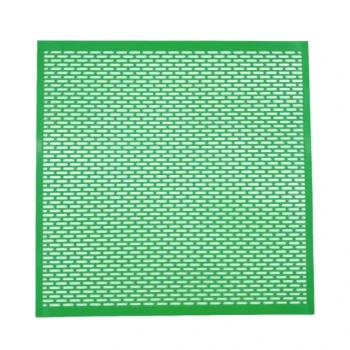
- High Performance Plastic Queen Excluder for Beekeeping and Apiary Management
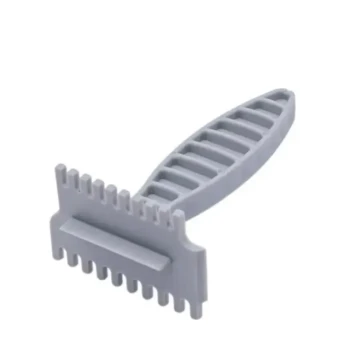
- Lightweight Durable Plastic Queen Excluder Scraper for Beekeeping
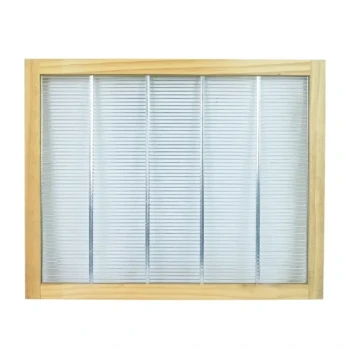
- Premium Wood Framed Metal Wire Queen Bee Excluder
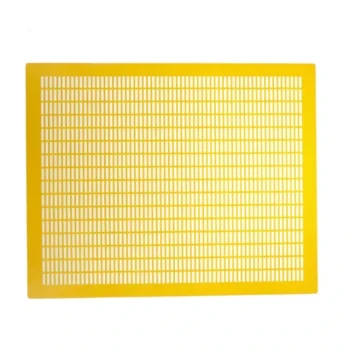
- Professional Plastic Queen Excluder for Modern Beekeeping
- Metal Queen Bee Excluder for Beekeeping
People Also Ask
- What are the characteristics of a plastic queen excluder? Key Benefits for Cost-Effective Beekeeping
- What are the operational and cost advantages of using plastic queen excluders over metal or wire excluders in commercial hive management? Discover how they reduce labor, prevent wing damage, and lower total costs.
- What types of queen excluders are available for beekeepers? Choose the Right Tool for Your Hive
- Why are standardized hive frames and queen excluders essential for maintaining honey purity and quality? Scale Your Purity
- Do plastic queen excluders work? A Cost-Effective Solution for Modern Apiaries