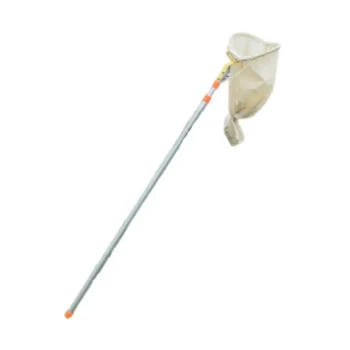
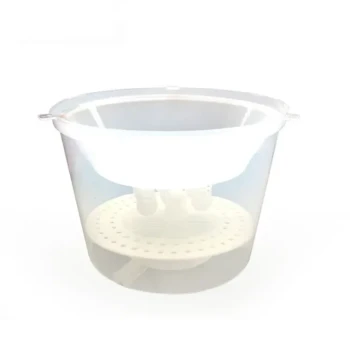
A specialized pollen trap functions as a precise mechanical filter designed to intercept foraging bees as they return to the hive. By forcing bees to navigate through a specifically sized grid structure at the entrance, the device gently dislodges pollen pellets from their hind legs into a collection tray. This hardware allows researchers and beekeepers to obtain standardized pollen samples for analysis without harming the insects or disrupting the colony's daily operations.
The pollen trap is more than a harvesting tool; it is a diagnostic instrument that quantifies the colony's interaction with its environment. It generates essential data regarding local plant diversity, foraging preferences, and the timing of natural honey flows.
The Mechanics of Interception
The Grid Structure
The core component of the trap is a physical barrier featuring a calibrated grid system. The apertures in this grid are sized precisely to allow a worker bee to pass through but are too narrow to accommodate the pollen loads carried on their hind legs (corbiculae).
Non-Destructive Separation
As the bee squeezes through the grid, the mechanical resistance effectively strips the pollen pellets off the bee's legs. This process is designed to be non-destructive, ensuring the bee remains uninjured while the pollen is harvested.
Automated Collection
Once dislodged, the pollen falls directly into a protected collection tray beneath the grid. This enables large-scale, continuous sampling without the need for manual handling, preserving the purity of the raw material for study.
Analyzing Foraging Data
Characterizing Honey Flow
Data collected via these traps helps characterize natural honey flow periods within a specific geographical area. By observing when pollen comes in and in what quantities, researchers can map the phenology of local flora.
Species Identification
The samples obtained are essential for species identification. Analyzing the collected pellets allows scientists to determine exactly which plants the bees are visiting, providing a clear picture of the biodiversity available to the colony.
Weight and Yield Analysis
The trap facilitates precise weight analysis of the pollen load. This quantitative data reflects the colony's foraging intensity and provides a metric for the productivity of the surrounding environment.
Understanding Foraging Preferences
Over time, the accumulated data reveals the foraging preferences of the bees. This helps establish correlations between specific pollen sources and the resulting quality of honey produced by the hive.
Operational Considerations and Trade-offs
Impact on Colony Nutrition
While effective for study, the trap physically removes a portion of the colony's protein source. Continuous use without monitoring can lead to nutritional stress for the brood if not managed correctly.
Drone Accessibility
The grid structure that strips pollen can also impede the movement of larger bees, such as drones. Most modern traps include a movable grille or bypass that can be opened to allow unimpeded access when sampling is not active.
Making the Right Choice for Your Goal
To effectively utilize a specialized pollen trap in your research or apiary management, align your usage with your specific data requirements:
- If your primary focus is Ecological Surveying: Prioritize the trap for collecting samples for species identification to map the biodiversity and blooming periods of local flora.
- If your primary focus is Colony Productivity: Use the trap to conduct weight analysis to quantify foraging intensity and characterize the peak honey flow periods in your region.
By strictly controlling the sampling intervals, you can gather high-fidelity environmental data while maintaining the health and vitality of your workforce.
Summary Table:
| Feature | Primary Function | Research Benefit |
|---|---|---|
| Calibrated Grid | Strips pollen from worker bee corbiculae | Standardized, non-destructive sampling |
| Collection Tray | Automatically captures dislodged pellets | Large-scale, high-purity data collection |
| Bypass Grille | Allows unimpeded drone movement | Maintains colony health and accessibility |
| Data Analysis | Identifies plant species and yield | Maps local biodiversity and honey flow |
Maximize Your Colony’s Potential with HONESTBEE
Elevate your commercial apiary operations with professional-grade hardware designed for precision and durability. At HONESTBEE, we specialize in empowering commercial beekeepers and distributors by providing a comprehensive wholesale range of:
- Advanced Machinery: Hive-making equipment and automated honey-filling machines.
- Specialized Tools: High-efficiency pollen traps, beekeeping hardware, and essential consumables.
- Cultural Merchandise: Unique honey-themed products to expand your market reach.
Whether you are scaling a global distribution network or optimizing local honey production, our expert team provides the machinery and tools you need to succeed. Contact HONESTBEE today to discuss our wholesale offerings and discover how we can streamline your beekeeping supply chain.
References
- Abebe Jenberie Wubie, Kefelegn Kebede. Floral phenology and pollen potential of honey bee plants in NorthEast dry land areas of Amhara region, Ethiopia. DOI: 10.9790/2380-07513649
This article is also based on technical information from HonestBee Knowledge Base .
Related Products
- Removable Plastic Pollen Trap With Ventilated Tray for Bees Pollen Collector
- 30 cm Plastic Entrance Hole Bee Pollen Trap and Collector
- Plastic Bee Pollen Trap Strips Comb Catcher Collector
- Black Plastic Beetle Barn Hive Beetle Trap for Beehives
- Reusable Clear Small Hive Beetle Traps for Beehives Beetle Trapping Tools
People Also Ask
- What are the design principles and advantages of pollen traps in the collection of bee pollen? Boost Your Apiary Yield
- What is the function of professional pollen traps in evaluating honey plants? Quantifying Pollination and Crop Potential
- What functions do pollen traps serve for bee bread production? Optimize Your Raw Material Collection
- What maintenance and pest prevention measures should be taken for pollen traps? Protect Your Hive and Harvest Quality
- How does the use of pollen traps in honeybee hives enhance crop fertilization? Boost Your Yield Through Induced Activity