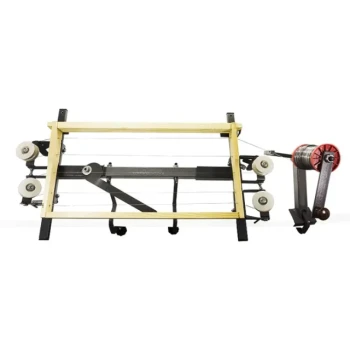
The wire grid measurement device functions as a precision quantification tool used to objectively measure the reproductive output and growth dynamics of a honeybee colony. By overlaying a standardized grid onto a honeycomb frame, technicians can accurately calculate the area occupied by eggs, larvae, and pupae in square centimeters. This empirical data allows professionals to evaluate queen laying efficiency, assess the impact of nutritional supplements, and monitor colony health with scientific rigor.
The wire grid measurement device is the industry-standard instrument for transforming subjective hive observations into objective, actionable data. It provides the foundational metrics—such as the Colony Performance Index (CPI)—required for professional apiary management and large-scale agricultural research.
Precision Data for Professional Apiary Management
Standardizing Brood Quantification
The primary function of the wire grid is to convert irregular biological patterns into standardized geometric data. By using specific grid sizes, such as 8x8cm or 10x10cm, beekeepers can precisely measure the surface area of capped and uncapped brood.
This method eliminates the "estimation error" common in manual inspections, providing a high-fidelity count of cells (e.g., approximately 418 cells per square in standard densities). For distributors, offering tools that provide this level of accuracy is essential for clients focused on high-yield commercial pollination.
Evaluating Queen and Colony Performance
The device is critical for measuring the queen’s laying activity and the overall reproductive vitality of the colony. It allows for the calculation of the Colony Performance Index (CPI), which reflects how effectively a colony is growing relative to environmental factors.
By conducting regular measurements, such as every 12 days, operators can objectively track population growth dynamics. This is particularly vital in greenhouse environments or forage-scarce regions where timely adjustments to feeding rations are necessary to maintain colony strength.
Scientific Validation and Health Monitoring
Assessing Nutritional and Environmental Impacts
The wire grid is an indispensable tool for researching the relationship between nutritional supplements and colony development. It provides the quantitative evidence needed to prove the efficacy of different feeding programs and nectar substitutes.
Furthermore, it allows for the measurement of the impact of seasonal shortages on colony turnover. This level of detail helps large-scale operations optimize their supply chains and internal resource allocation based on real-time biological data.
Non-Destructive Disease Monitoring
Using a gridded frame is a non-destructive method for quantifying brood area and honey stores. It enables technicians to monitor the progression of diseases, such as European Foulbrood or Sacbrood, by tracking changes in brood patterns over time.
Because the tool provides a physical reference point, it ensures consistency across different technicians and apiary sites. This standardization is a key selling point for B2B resellers who cater to research institutions and government agricultural departments.
Understanding the Trade-offs
Manual Labor vs. Digital Integration
While wire grids offer high accuracy, they require manual overlay and recording, which can be time-consuming for operations managing thousands of hives. In these high-volume scenarios, the physical grid acts as a vital calibration tool for digital imaging systems, though it remains the "gold standard" for field-level verification.
Physical Handling Risks
Frequent use of a measurement frame requires careful handling to avoid damaging the delicate wax cappings of the brood. Technicians must be trained to align the metal or wooden frames precisely to ensure consistent cell counts without distressing the bee population.
Selecting the Right Tool for Your Inventory
Guidance for B2B Procurement
When sourcing measurement devices for your portfolio, it is essential to consider the specific technical requirements of the end-user's region and hive type.
- If your primary focus is research and academic institutions: Prioritize high-precision metal grids with specific area units, such as 6.45 square centimeters per square, to support detailed data collection.
- If your primary focus is commercial greenhouse pollination: Stock standardized 10x10cm wooden measurement frames that allow for rapid, repeatable assessments of sealed brood area to ensure hive turnover.
- If your primary focus is budget-conscious large-scale apiaries: Focus on durable, cost-effective wire-grid inserts that can be easily integrated into existing hive inspection workflows.
Empowering your clients with these precision tools ensures they move from subjective estimation to data-driven colony management.
Summary Table:
| Feature | Function & Benefit | Commercial Application |
|---|---|---|
| Standardized Grid | Converts irregular brood patterns into geometric data | Eliminates estimation errors in high-yield pollination |
| CPI Calculation | Measures queen laying efficiency and colony growth | Essential for greenhouse and forage-scarce management |
| Non-Destructive | Quantifies brood and honey stores without hive stress | Ideal for long-term health and disease monitoring |
| Empirical Mapping | Provides objective metrics for nutritional research | Validates efficacy of feeding programs and supplements |
Scale Your Inventory with HONESTBEE’s Professional Sourcing
Maximize your profit margins and supply reliability with HONESTBEE, your dedicated partner for commercial apiaries and B2B distributors. We offer a comprehensive one-stop sourcing solution, providing everything from precision measurement tools to specialized honey-filling machines and hive-making equipment.
Why partner with HONESTBEE?
- Full-Spectrum Portfolio: Access beekeeping machinery, professional hardware, and high-demand consumables in one place.
- Expert Support: Leverage our deep industry expertise and dedicated customer service for OEM/ODM requirements.
- Rapid Fulfillment: Benefit from ultra-fast delivery and efficient order processing to meet market demands.
Empower your clients with data-driven beekeeping solutions. Contact us today to explore our wholesale offerings!
References
- Bismat Un Nisa, Humira Mushtaq. Seasonal pattern of foraging activity in Apis cerana (indica) for assessment of colony performance index and weight gain in Kashmir valley. DOI: 10.5958/2349-297x.2023.00034.x
This article is also based on technical information from HonestBee Knowledge Base .
Related Products
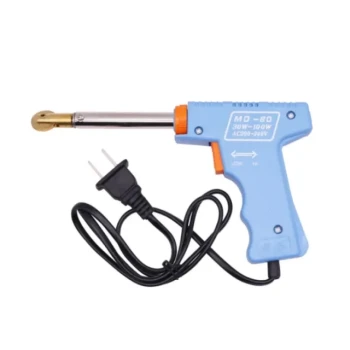
- HONESTBEE Adjustable Voltage Wire Embedder with Digital Display
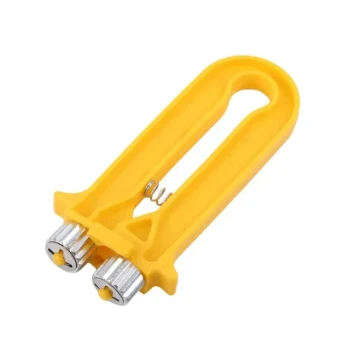
- HONESTBEE Ergonomic Spring Loaded Frame Wire Crimper
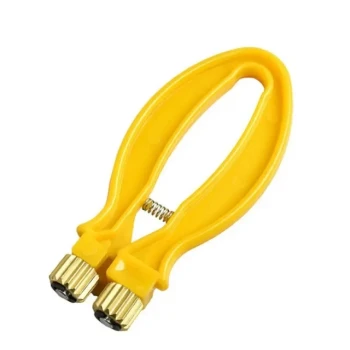
- HonestBee Ergonomic Frame Wire Crimper with Plastic Handles and Metal Gears Choice
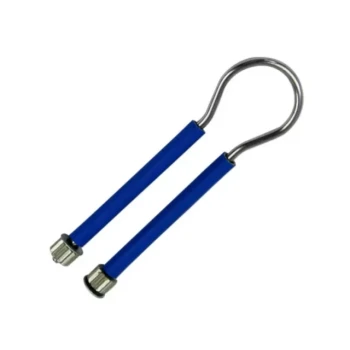
- HONESTBEE Loop Handle Frame Wire Crimper
- HONESTBEE professional Efficient Beekeeping Tool: Electric Spur Wheel Wire Embedder
People Also Ask
- How can combs be further strengthened? Embed Wires for Durable, High-Yield Hives
- What is an embedder in beekeeping? Essential Tool for Strengthening Wax Foundation & Hive Frames
- What are the consequences of disrupting the propolis envelope? Protect Your Beehive's Social Immunity
- Why must honeybee colonies be selected based on specific breed standards for nutritional studies? Key to Data Integrity
- Why record environmental factors for Varroa tolerance? Separate Genetics from Climate to Identify Resilient Bee Colonies