Timely replacement of honeybee populations is the primary mechanism for stabilizing apiary output in the face of aggressive invasive predation. When facing threats like the Asian hornet, colony mortality rates can surge drastically, leading to immediate production deficits. Systematically supplementing or replacing these populations is the only way to offset these losses and maintain the operational scale required for commercial viability.
Under high predation pressure, colony mortality can reach nearly 30 percent. Regularly investing in new honeybee populations is essential to maintain a fixed apiary scale, ensuring uninterrupted pollination services and consistent honey yields.
The Reality of Invasive Predation Pressure
To understand why replacement is non-negotiable, one must first recognize the severity of the threat. Invasive species do not merely harass colonies; they deplete them.
Significant Mortality Spikes
Invasive predators, such as the Asian hornet, exert immense pressure on commercial hives. Under high predation conditions, colony mortality rates can reach up to 29.2 percent.
The Production Deficit
This loss represents a direct reduction in the apiary's workforce. Without intervention, this level of attrition makes it impossible to maintain previous production benchmarks.
The Strategy of Population Replacement
Replacement is not simply about keeping hive boxes full; it is about maintaining a fixed apiary scale. This consistency is the foundation of a stable business model.
Offseting Production Decreases
Supplementing commercial populations acts as a direct countermeasure to predation. By introducing new stock, you immediately offset the production decreases caused by the loss of foragers and colony collapse.
Ensuring Continuity of Service
Commercial apiaries often rely on contracts for pollination services. A shrinking population jeopardizes these obligations. Regular replacement ensures the continuity of pollination services, protecting your professional reputation and revenue streams.
Securing Honey Yields
Honey production is directly correlated with colony strength and numbers. Replacing lost colonies is essential to securing honey yields, preventing the massive dips in product volume that invasive species would otherwise cause.
Understanding the Trade-offs
While necessary, population replacement introduces specific operational dynamics that must be managed.
A Critical Operational Investment
You must view the purchase of new populations as a recurring operational cost, not a one-time fix. It is a financial commitment required to counter the external cost of invasive species.
The Cost of Inaction
The alternative to this investment is a rapid decline in apiary scale. While purchasing new bees reduces immediate profit margins, failing to do so leads to a total loss of production capacity.
Making the Right Choice for Your Operations
To survive the pressure of invasive species, you must shift your mindset from conservation to active management.
- If your primary focus is ensuring revenue stability: Commit to a schedule of population supplementation to maintain a fixed apiary scale regardless of seasonal predation rates.
- If your primary focus is fulfilling contracts: Prioritize replacement immediately following predation spikes to guarantee the continuity of pollination services.
Treating honeybee populations as a renewable operational investment is the only viable strategy to secure the future of the beekeeping industry against invasive threats.
Summary Table:
| Key Factor | Impact of Invasive Predation | Role of Population Replacement |
|---|---|---|
| Colony Mortality | Can reach up to 29.2% | Restores fixed apiary scale and workforce |
| Production Output | Immediate deficit in honey and wax | Offsets decreases to secure consistent yields |
| Service Reliability | Risk of failing pollination contracts | Ensures continuity and fulfills professional obligations |
| Financial Outlook | Potential total loss of capacity | Shift to manageable recurring operational investment |
Secure Your Apiary’s Future with HONESTBEE
Don't let invasive predation compromise your commercial viability. HONESTBEE empowers commercial apiaries and distributors with the specialized tools and machinery needed to manage and scale operations efficiently.
From advanced hive-making machines and honey-filling lines to a comprehensive range of beekeeping hardware and consumables, we provide the industrial-grade equipment you need to maintain a fixed apiary scale and boost production.
Ready to optimize your honey yields and secure your pollination services?
Contact HONESTBEE Today to discover how our wholesale solutions can strengthen your beekeeping business.
References
- Fabrice Réquier, Franck Courchamp. Economic Costs of the Invasive Asian Hornet on Honey Bees. DOI: 10.2139/ssrn.4280914
This article is also based on technical information from HonestBee Knowledge Base .
Related Products
- HONESTBEE Adjustable Voltage Wire Embedder with Digital Display
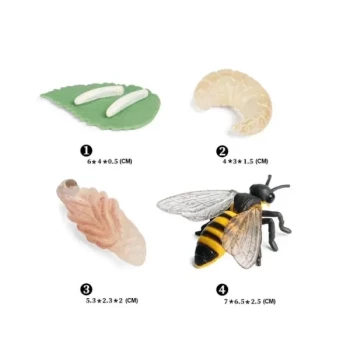
- Honey Bee Life Cycle Model 4 Stage Educational Set for Kids Learning
- HONESTBEE AC Powered Wire Embedder with Alligator Clips
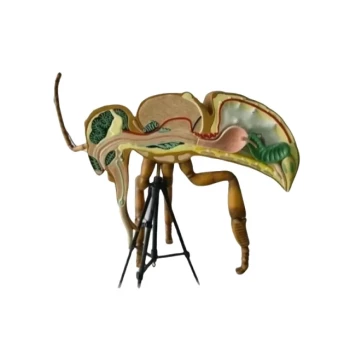
- HONESTBEE Anatomy Bee Model Detailed Anatomical Display for Education and Study
- Honey Bee Lifecycle Model: A Detailed Honeycomb Display of Bee Development
People Also Ask
- How can combs be further strengthened? Embed Wires for Durable, High-Yield Hives
- What is an embedder in beekeeping? Essential Tool for Strengthening Wax Foundation & Hive Frames
- How does geographic location and temperature affect the timing of honeybee delivery? Ensure Successful Installation
- Why record environmental factors for Varroa tolerance? Separate Genetics from Climate to Identify Resilient Bee Colonies
- Why must honeybee colonies be selected based on specific breed standards for nutritional studies? Key to Data Integrity