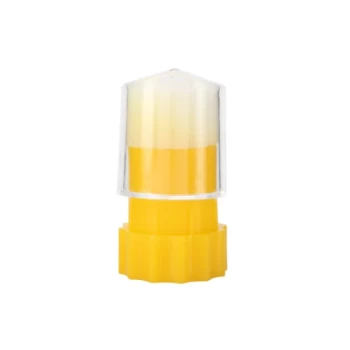
In the Doolittle method, artificial queen cell cups function as biological triggers and standardized collection vessels. They act as a surrogate base for transferred larvae to simulate the physiological environment of a natural queen cell. This simulation compels nurse bees to secrete massive volumes of royal jelly, while the cups' standardized design enables the use of industrial equipment for high-efficiency extraction.
By mimicking the geometry of natural queen cells, these cups manipulate the hive's nursing instinct to prioritize royal jelly secretion over honey production, transforming a biological rarity into a harvestable, mass-produced commodity.
The Biological Mechanism: Simulation and Induction
Triggering the Nurse Bees
The primary biological function of the cup is deception. By replicating the shape and orientation of a natural queen cell, the cup induces nurse bees to accept the transferred larva as a potential queen.
Creating a Secretion Reservoir
Once the bees accept the artificial cup, their instinct drives them to fill the extra space with royal jelly. The cup serves as a distinct "collection pool," accumulating significantly more jelly than a standard worker cell would hold.
Housing the Larva
The cup provides a stable, protective base for the transferred larva (typically 1-2 days old). This ensures the larva remains viable and accessible to nurse bees throughout the intensive feeding period.
Standardization and Industrial Efficiency
Enabling Synchronized Cycles
Because the cups are uniform, beekeepers can manage production on a strict schedule. This standardization allows for systematic harvesting, typically every 48 to 72 hours.
Facilitating Mechanical Extraction
The Doolittle method relies on scalability. The consistent dimensions of artificial cups allow for the use of specialized grafting and extraction equipment, ensuring lossless harvest of the jelly.
Material Versatility for Scale
Cups are manufactured as essential consumables, usually from wax or food-grade plastic. This consistency is vital for integrating them into grafting frames and processing them through semi-mechanical collection systems.
Understanding the Trade-offs
Acceptance vs. Durability
While wax cups may closely mimic nature, plastic cups offer durability for repeated industrial use. However, using plastic requires ensuring the material is accepted by the bees and does not trigger rejection behaviors.
Sanitation and Purity
The "collection pool" nature of the cup means it holds the final product. If the cups are not made of food-grade materials, there is a risk of contaminating the royal jelly. Furthermore, reusable cups (plastic) introduce a requirement for rigorous cleaning to prevent disease transfer between cycles.
Making the Right Choice for Your Goal
To apply the Doolittle method effectively, select your cell cup strategy based on your operational scale:
- If your primary focus is Industrial Scalability: Prioritize high-quality, standardized plastic cups that integrate seamlessly with mechanical extraction equipment to maximize throughput.
- If your primary focus is Product Purity: Ensure all artificial cups are certified food-grade materials to prevent contamination and facilitate thorough cleaning between the 48-72 hour harvest windows.
Successful royal jelly production hinges on using these cups to perfectly balance biological simulation with mechanical precision.
Summary Table:
| Feature | Biological Function | Industrial Benefit |
|---|---|---|
| Design | Mimics natural queen cell geometry | Standardized for mechanical extraction |
| Material | Provides stable base for larva | Food-grade plastic/wax ensures purity |
| Mechanism | Triggers nursing instinct | Enables synchronized 48-72h harvest cycles |
| Capacity | Acts as a secretion reservoir | Maximizes volume per grafting frame |
Elevate Your Royal Jelly Production with HONESTBEE
To compete in the global market, commercial apiaries need more than just tools—they need precision-engineered systems. HONESTBEE specializes in supporting professional beekeeping operations and distributors with high-performance wholesale solutions. From standardized queen cell cups designed for maximum acceptance to advanced honey-filling and hive-making machinery, our comprehensive portfolio covers your entire production cycle.
Why partner with HONESTBEE?
- Industrial Scalability: Durable, food-grade equipment built for high-throughput environments.
- Complete Support: We supply everything from specialized hardware to essential industry consumables.
- Market Growth: Our honey-themed cultural merchandise helps you expand your brand's reach.
Ready to optimize your harvest and scale your distribution? Contact our expert team today to discuss how our wholesale offerings can transform your apiary's efficiency.
References
- H. Mansour, A. Khater. COMPARATIVE STUDY ON SOME ACTIVITIES AND PRODUCTS BETWEEN HYBRIDS OF CARNIOLAN AND ITALIAN HONEYBEE. DOI: 10.21608/jppp.2008.218979
This article is also based on technical information from HonestBee Knowledge Base .
Related Products
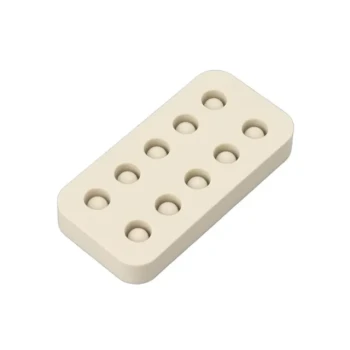
- 10-Cell Silicone Beeswax Bee Queen Cups Forming Mold
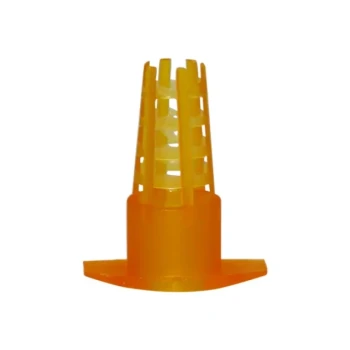
- JZBZ Type Wide Base Plastic Queen Cell Cups for Base Mounting and Queen Rearing
- Brown Nicot Queen Cell Cups for Breeding Queen Bees Beekeeping
- Clear Black Plain Polystyrene Queen Bee Grafting Cell Cups No Lug for Bee Queen Cup
- JZBZ Push-In Queen Cell Cups for Beekeeping
People Also Ask
- How do beeswax queen cell cups function? Optimize Queen Rearing with Biological Mimicry
- What is the biological function of beeswax queen cell cups? Boost Acceptance in Artificial Queen Rearing
- What role do specialized queen rearing tools play in developing mite-resistant honeybee stock? Master Genetic Selection
- What materials are used to make artificial queen cell cups for grafting? Beeswax vs. Plastic Guide
- What roles do specialized queen cell cups play in royal jelly production? Optimize Your Hive's Secretion and Yield