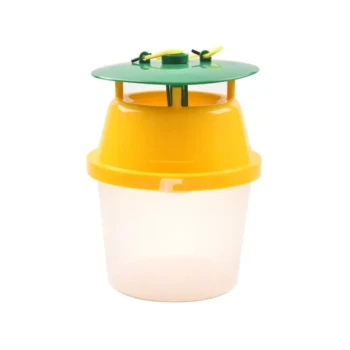
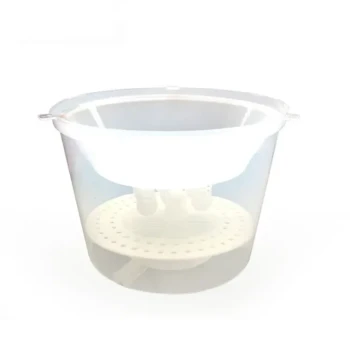
Front entrance pollen traps serve as the primary mechanical interface for harvesting botanical samples directly from returning honeybees. By forcing bees to navigate through a specifically sized mesh screen at the hive entrance, the device physically strips pollen pellets from their hind legs. This process is the fundamental step in acquiring the fresh Castanea pollen resources necessary for detailed nutritional analysis and chemical characterization.
The trap functions as a non-invasive physical filter, allowing for the automated, high-efficiency collection of raw pollen required to assess floral resources and colony nutrition.
The Mechanics of Extraction
The Physical Barrier
The core component of the trap is a specifically sized mesh screen or grid installed directly in the flight path of entering bees.
This structure creates a physical bottleneck that the insects must navigate to enter the hive.
The apertures in the grid are calibrated to be just large enough for the bee's body but too narrow to accommodate the pollen loads attached to their legs.
The Separation Process
As the bee squeezes through the aperture, the grid acts as a mechanical scraper.
It dislodges the pollen pellets from the corbiculae, or pollen baskets, located on the bee's hind legs.
This action separates the botanical resource from the insect without requiring human intervention or handling of the bees.
Collection and Cleanliness
Once dislodged, the pollen pellets fall immediately into a collection tray located beneath the screen.
This ensures the sample is physically separated from the hive environment instantly, maintaining the cleanliness of the raw material.
This immediate isolation is critical for accurate laboratory identification of plant species, such as separating Castanea pollen from other floral sources.
The Scientific Purpose
Enabling Chemical Characterization
The primary function of the trap is to provide fresh botanical resources for analysis.
To understand the chemical composition of Castanea pollen, researchers require samples that have not been processed or consumed by the colony.
The trap automates the gathering of this raw material, serving as the starting point for industrial or scientific assessment.
Assessing Nutritional Intake
These traps are essential tools for gauging the nutritional landscape available to the colony.
By intercepting the incoming food supply, researchers can quantify exactly what the bees are foraging.
This allows for the precise determination of floral resource abundance and the specific contribution of Castanea species to the colony's diet.
Operational Considerations and Efficiency
Efficiency Rates
While effective, these traps do not capture 100% of the incoming pollen.
The capture rate typically ranges between 30% and 70% of the total pollen brought back by foragers.
This variance ensures that while a significant sample is collected for analysis, the colony is not completely deprived of its food source.
Safety and Impact
A critical design feature of these traps is their non-injurious nature.
The apertures are designed to strip the pollen load without harming the insect.
This ensures that the collection process enables continuous, stable sampling over time without degrading the health of the workforce.
Making the Right Choice for Your Goal
To maximize the utility of front entrance pollen traps in your Castanea research, align your usage with your specific analytical needs.
- If your primary focus is Chemical Analysis: Prioritize the regular emptying of collection trays to ensure the fresh pollen pellets retain their chemical integrity for characterization.
- If your primary focus is Ecological Surveying: Use the trap to intercept loads over specific timeframes to accurately map the abundance of Castanea resources across the landscape.
Effective pollen trapping converts a biological process into quantifiable data, bridging the gap between field foraging and laboratory science.
Summary Table:
| Feature | Function & Impact |
|---|---|
| Mechanism | Specifically sized mesh screen acts as a physical scraper for pollen pellets |
| Efficiency Rate | Captures 30% to 70% of incoming pollen, ensuring colony nutritional health |
| Sample Integrity | Immediate isolation in collection trays prevents contamination and hive processing |
| Primary Use | High-efficiency collection for chemical characterization and ecological surveying |
| Safety | Non-invasive design protects the health and mobility of the honeybee workforce |
Elevate Your Apiary's Productivity with HONESTBEE
Are you looking to scale your pollen collection or enhance your commercial honey production? HONESTBEE specializes in supporting commercial apiaries and distributors with premium, field-tested beekeeping solutions.
From high-efficiency pollen traps and hive-making machinery to advanced honey-filling systems and essential industry consumables, we provide the full spectrum of equipment needed to succeed in the modern market. Whether you are conducting scientific research on Castanea species or supplying bulk beekeeping hardware, our expertise ensures you get the most out of every hive.
Ready to upgrade your equipment? Contact us today to explore our wholesale offerings and see how our hardware and machinery can drive your business growth.
References
- María Shantal Rodríguez‐Flores, Soraia I. Falcão. Phenolic Profile of Castanea Bee Pollen from the Northwest of the Iberian Peninsula. DOI: 10.3390/separations10040270
This article is also based on technical information from HonestBee Knowledge Base .
Related Products
- 30 cm Plastic Entrance Hole Bee Pollen Trap and Collector
- Removable Plastic Pollen Trap With Ventilated Tray for Bees Pollen Collector
- Professional Hive Front Entrance Bee Feeder
- Boardman Entrance Bee Feeder Durable Galvanized Steel and Wood Construction for Beekeeping
- Plastic Bee Pollen Trap Strips Comb Catcher Collector
People Also Ask
- What are the design principles and advantages of pollen traps in the collection of bee pollen? Boost Your Apiary Yield
- Why is frequent harvesting of bee pollen from traps necessary for quality control? Ensure Freshness and Prevent Mold.
- How often should bee pollen be harvested from a trap and why? Master Freshness and Prevent Spoilage
- What function do pollen traps serve in quantitative collection? Boost Your Apiary's Data & Production Efficiency
- What is the primary function of bee pollen traps? Optimize Your Pollen Harvest with Advanced Extraction Efficiency