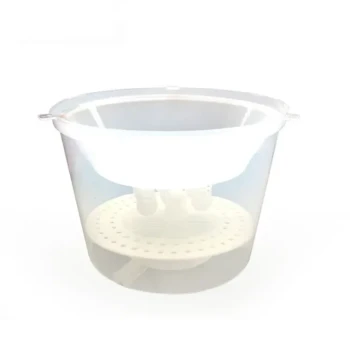
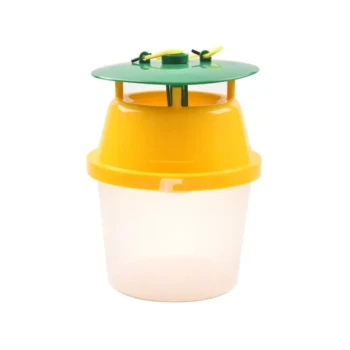
In Small Hive Beetle (SHB) management, the function of mineral or vegetable oil is to act as a lethal physical agent that induces suffocation and prevents escape. Upon entering the trap, the high-viscosity fluid immediately coats the beetle, blocking its respiratory openings (spiracles) and utilizing surface tension to immobilize the pest until death occurs.
Core Insight: Oil traps rely on the physical properties of viscosity and surface tension rather than chemical toxicity. The oil acts as a mechanical "consumable" that irreversibly compromises the beetle's ability to breathe and move, providing an effective control method without introducing pesticides into the hive environment.
The Mechanics of Physical Eradication
Respiratory Blockage (Suffocation)
The primary mechanism of death in these traps is asphyxiation.
Unlike mammals, insects breathe through small openings on their exoskeletons called spiracles. When a Small Hive Beetle falls into the trap, the oil quickly coats these spiracles.
Because the oil is viscous, it adheres to the beetle and creates a seal that air cannot penetrate. This leads to death by suffocation.
Immobilization via Surface Tension
Beyond suffocation, the oil functions as a physical constraint.
The surface tension of the oil is significant enough to trap the small body mass of the beetle. Once submerged or coated, the beetle cannot overcome this tension to climb out of the reservoir.
This ensures that once a beetle enters the trap—driven by bees or attracted by bait—it cannot return to the colony to reproduce or cause damage.
Strategic Role in Hive Management
Selective Exclusion
The effectiveness of the oil relies on the trap's specialized design.
These containers utilize specific aperture sizes that allow beetles to enter while physically excluding honeybees. This ensures the oil only targets the pest, keeping the colony's workforce safe from the drowning medium.
Mimicking Natural Harborage
Beetles naturally seek out cracks and crevices to hide from aggressive bees.
Oil traps are often placed between frames or at the bottom of the hive to simulate these natural crevices. By luring beetles into what appears to be a safe harbor, the trap converts their defensive behavior into a lethal vulnerability.
Understanding the Trade-offs
Maintenance Requirements
Oil is a physical consumable, not a "set and forget" solution.
Because the mechanism relies on viscosity and fluid dynamics, the traps must be monitored. If the oil becomes filled with debris or too many dead beetles, the surface tension may break, or the beetles may find "rafts" to escape.
Population Reduction vs. Total Elimination
These traps are designed for monitoring and population reduction, not necessarily instant total eradication.
They work best as a mechanical barrier to lower the density of adult beetles. They are distinct from chemical treatments, offering a slower but safer, pesticide-free approach to pest management.
Making the Right Choice for Your Goal
- If your primary focus is Pesticide-Free Management: Rely on these traps to reduce adult beetle populations physically, ensuring no chemical residues contaminate your honey or wax.
- If your primary focus is Monitoring Infestation Levels: Use oil traps to gauge beetle density; a high catch rate indicates a need for more aggressive intervention or hive inspection.
- If your primary focus is Safety: Ensure you use food-grade mineral or vegetable oil to maintain a non-toxic environment should a spill occur.
The oil trap is a mechanical ally, converting the beetle's biology against itself to protect the colony without chemical intervention.
Summary Table:
| Mechanism | Action | Benefit for Beekeepers |
|---|---|---|
| Respiratory Blockage | Oil coats spiracles (breathing holes) | Causes rapid, non-toxic suffocation |
| Surface Tension | High-viscosity fluid traps beetle mass | Prevents pests from escaping the reservoir |
| Physical Barrier | Selective aperture design | Protects honeybees while targeting beetles |
| Non-Chemical Control | Mechanical eradication | Zero pesticide residues in honey or wax |
Elevate Your Beekeeping Efficiency with HONESTBEE
Are you looking to scale your apiary operations or expand your distribution of high-quality beekeeping supplies? HONESTBEE specializes in serving commercial apiaries and distributors with a comprehensive range of professional-grade tools and machinery.
From specialized hive-making and honey-filling machines to essential consumables and honey-themed cultural merchandise, we provide the hardware you need to manage pests effectively and streamline production. Partner with us to access wholesale solutions that protect your colonies and grow your business.
Ready to upgrade your equipment? Contact us today to discuss your wholesale needs!
References
- J. T. Ngor, Seyi Ebun Adeboye. The Impact of Aethina tumida Infestation on Apis mellifera Colonies: A Review of Control Measures and Future Prospects. DOI: 10.22161/ijeab.105.15
This article is also based on technical information from HonestBee Knowledge Base .
Related Products
- Reusable Aluminium Beetle Trap for Small Hive Beetles Silver Bullet
- Removable Washable Hive Beetle Trap Attractants for Small Hive Beetles
- Black Plastic Beetle Barn Hive Beetle Trap for Beehives
- Reusable Clear Small Hive Beetle Traps for Beehives Beetle Trapping Tools
- Plastic Beetle Blaster Trap Beekeeping Tools and Supplies
People Also Ask
- How should powdered substances be used in beetle traps for hive beetle control? Expert Guide for Maximum Colony Protection
- Why are beetle traps less effective during winter? Seasonal Shifts in Pest Control Explained
- When is the best time to use small hive beetle traps in cold climates? Protect Your Honeybee Winter Stores Now
- When and how should disposable traps for small hive beetles be removed? Master Hive Hygiene and Efficiency
- How do small hive beetle traps contribute to colony management? Enhance Diagnostic Accuracy and Protect Hive Health