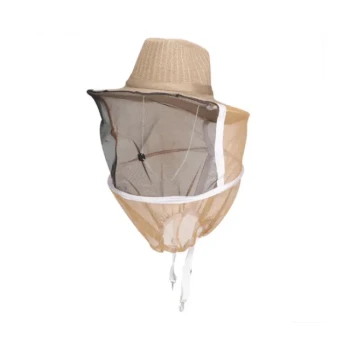
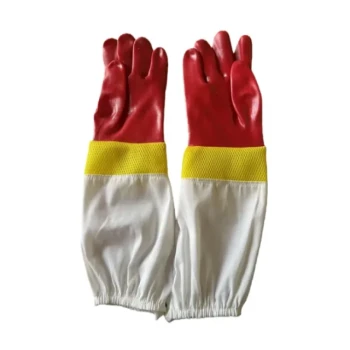
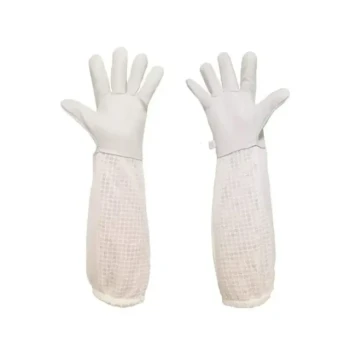
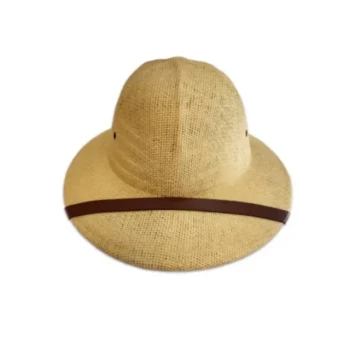
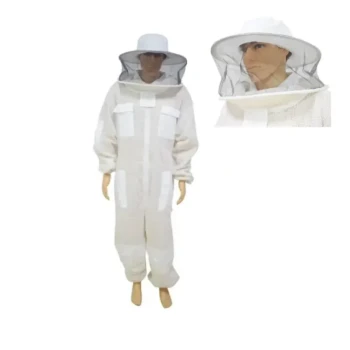
Professional beekeeping protective equipment serves as a fundamental physical barrier that safeguards operators during apiary management. This gear—comprising veils, suits, and boots—ensures that critical tasks such as hive inspections, disease control, and honey harvesting can be completed safely without disrupting the natural biological activities of the bees.
Core Takeaway While the explicit function of protective gear is preventing injury, its deeper value is enabling operational precision. By neutralizing the fear of stings, this equipment allows beekeepers to handle colonies with the calmness and fine motor control necessary for professional, low-stress apiary management.
The Operational Impact of Protective Gear
Ensuring Operator Safety and Confidence
The primary function of items like puncture-resistant suits and veils is to provide a reliable biosafety barrier. This physical isolation neutralizes the immediate risk of stings during periods of high bee activity.
By removing the physical threat, the equipment significantly reduces operator anxiety. This psychological benefit allows the beekeeper to maintain composure, which is essential for making rational decisions during complex hive operations.
Enhancing Precision and Motor Control
Effective management requires delicate interactions, such as removing burr combs, locating the queen, or inspecting larval development. Professional gear acts as an enabler for these tasks by allowing the operator to focus entirely on the technique rather than self-preservation.
High-performance gear creates a safe environment that supports fine motor skills. This allows operators to lift frames and manipulate hive components with the steady hands required to avoid accidental damage to the colony structure.
Impact on Colony Health and Productivity
Minimizing Colony Stress
The operator's demeanor directly impacts the colony's reaction. When a beekeeper moves with the confidence provided by protective gear, they avoid the erratic, fearful movements that often trigger defensive behavior in bees.
By facilitating calm handling, the equipment helps minimize the release of alarm pheromones. This keeps the colony in a sedated, manageable state, preventing unnecessary stress responses that can hinder productivity.
Enabling Advanced Management Techniques
Robust protection is a prerequisite for implementing professionalized processes. It allows for more frequent and thorough health monitoring, which is critical for scientific beekeeping and disease control.
Furthermore, industrial-grade equipment supports the transition to professional enterprise. It reduces labor intensity and operational difficulty, making it feasible to manage larger apiaries with consistent efficiency.
Common Pitfalls and Trade-offs
Balancing Protection with Dexterity
While protection is vital, there is an inherent trade-off between material thickness and tactile sensitivity. Gloves that are too bulky may impede the precision necessary to avoid crushing bees.
Operators must select gear that offers high puncture resistance without sacrificing the ergonomic capability to perform delicate tasks. If the gear restricts movement too severely, it defeats the purpose of enabling precise management.
The Risk of Equipment Failure
A "physical barrier" is only effective as long as it is intact. Relying on worn-out suits or torn veils can create a false sense of security.
If a breach occurs during a critical inspection, the sudden loss of safety can lead to panic, resulting in dropped frames or agitated bees. Regular maintenance of the gear is just as important as the gear itself to ensure continuous and safe operations.
Making the Right Choice for Your Goal
Selecting the correct protective equipment depends on the specific demands of your apiary management style.
- If your primary focus is scientific research or breeding: Prioritize gear with high-visibility veils and ergonomic gloves to ensure maximum precision for locating queens and inspecting larvae.
- If your primary focus is commercial production: Invest in heavy-duty, industrial-grade suits that reduce anxiety and fatigue, allowing for rapid, high-frequency inspections across many hives.
Professional protective equipment is not merely a safety accessory; it is an essential instrument that allows for the harmonious and efficient coexistence of the beekeeper and the colony.
Summary Table:
| Equipment Component | Core Function | Operational Benefit |
|---|---|---|
| Beekeeping Veil | Protects face and neck | Ensures clear visibility and prevents facial stings during inspections. |
| Beekeeping Suit | Full-body physical barrier | Neutralizes sting risks, reducing operator anxiety and promoting calm handling. |
| Gloves & Boots | Extremity protection | Enables fine motor control and safe movement around hive bases. |
| Ventilation Tech | Heat dissipation | Reduces fatigue during long hours of commercial apiary maintenance. |
Elevate Your Commercial Beekeeping Operations with HONESTBEE
At HONESTBEE, we understand that professional-grade protection is the foundation of a productive apiary. We cater specifically to commercial apiaries and distributors, providing a comprehensive wholesale selection of high-performance beekeeping tools, machinery, and essential consumables.
From ergonomic protective suits that balance safety with dexterity to advanced hive-making and honey-filling machinery, our portfolio is designed to enhance your operational efficiency and yield. Partner with us to access industrial-grade equipment and honey-themed cultural merchandise that sets your business apart.
Ready to scale your production? Contact us today to discuss our wholesale offerings and how we can support your growth!
References
- Daniel Etim Jacob, Imaobong Ufot Nеlson. The effect of types of hives on honey production in Akwa Ibom State, Nigeria. DOI: 10.4314/wojast.v16i1.84
This article is also based on technical information from HonestBee Knowledge Base .
Related Products
- Premium Cowboy Beekeeper Hat with Visibility Veil Outdoor Professional Beekeeping Protective Gear
- Premium Cotton Beekeeper Suit with Reinforced Fencing Veil
- Beekeeper Cowboy Hat and Veil for Beekeeping
- Beekeeping Jacket with Hood and Veil for Beekeepers
- White Cotton Beekeeping Jacket and Veil for Bee Keepers
People Also Ask
- What design features contribute to the stability and fit of the beekeeper hat? Key Features for Maximum Hive Safety
- How is the beekeeper hat designed for comfort and practicality? Explore Key Features for Enhanced Apiary Safety
- What is the general protective gear recommendation for new beekeepers? Your Essential Beginner's Safety Guide
- How does beekeeping protective gear facilitate the queen bee selection process? Enhancing Precision in Queen Breeding
- What should beekeepers consider when choosing protective gear? A Guide for Maximum Safety & Comfort