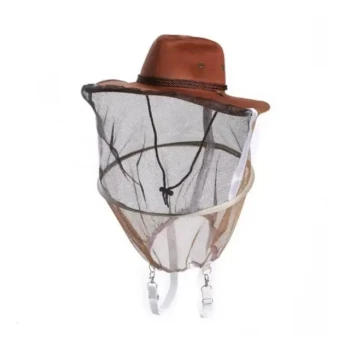
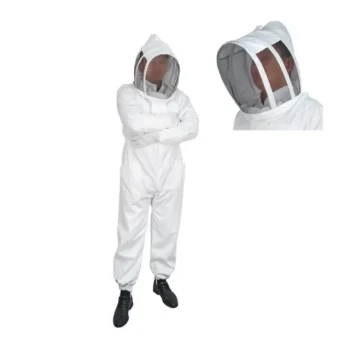
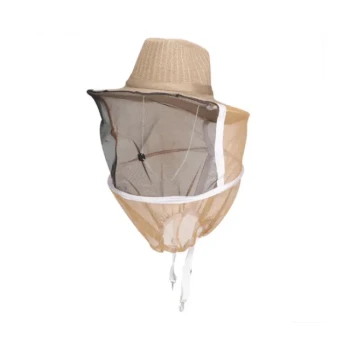
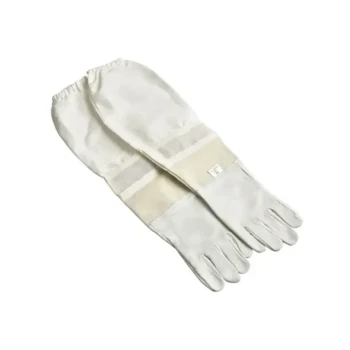
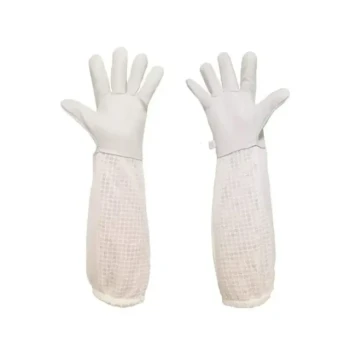
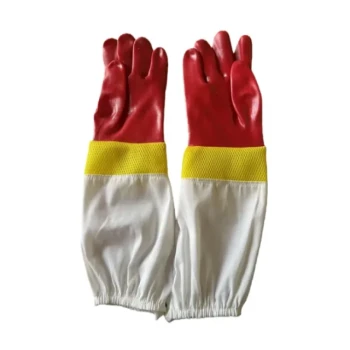
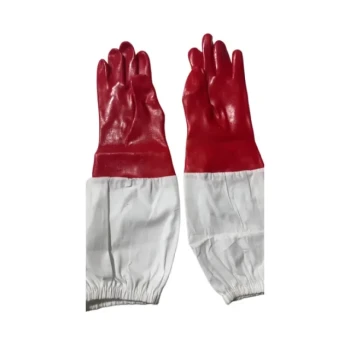
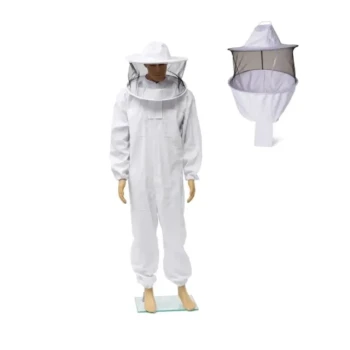
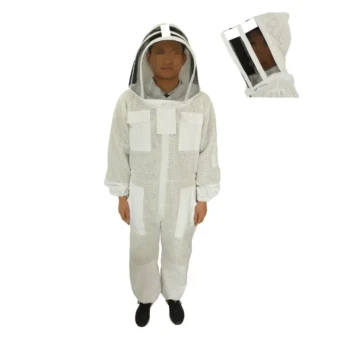
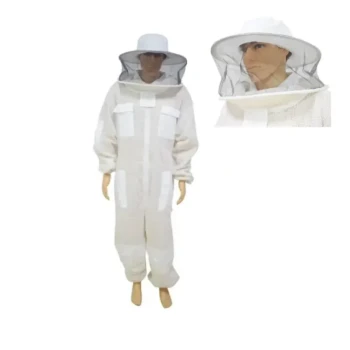
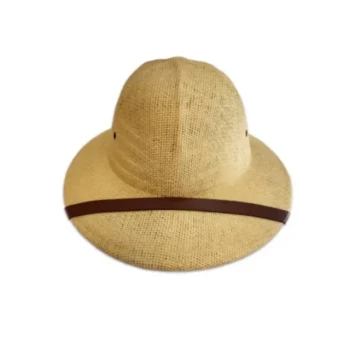
The primary function of professional protective gear in api-tourism is to serve as a non-negotiable safety barrier. In this commercial context, items such as suits, veils, and gloves act as a physical shield that prevents honeybee stings, allowing untrained visitors to safely approach hives and observe beekeeping work up close. Without this equipment, the interactive nature of api-tourism would be impossible due to safety risks and visitor anxiety.
By mitigating physical danger and addressing psychological fears, protective gear is the prerequisite for the safe and smooth conduct of all interactive beekeeping activities.
The Core Functions in Api-Tourism
Creating a Critical Safety Barrier
The most immediate function of professional gear is to block the biological risk of stings. Beekeeping suits and veils utilize puncture-resistant fabrics and sealed structures to separate human skin from defensive bees.
This physical separation is essential when bringing tourists, who may have unknown allergies or low pain tolerances, into an active apiary. It ensures that the biological toxins found in bee stings do not result in medical emergencies or industrial accidents during the tour.
Enabling Close-Range Observation
Api-tourism relies on the visitor’s ability to see the colony's internal workings. Protective gear functions as an access tool, allowing guests to stand within inches of an open hive.
Without this "shield," observation would be limited to a distance where details are lost. The gear bridges the gap between the safe zone and the active work zone, making the educational experience viable.
Operational and Psychological Benefits
Managing Visitor Anxiety
Beyond physical safety, the gear serves a vital psychological function. For many visitors, the fear of being stung is a significant mental barrier to participation.
Donning professional-grade equipment provides visual and tactile reassurance. It addresses visitor concerns immediately, allowing them to shift their focus from personal safety to the educational content of the tour.
Facilitating Calm Demonstrations
For the professional guide, the gear reduces the psychological burden of potential injury. This protection allows operators to maintain calm, continuous movements while handling frames and pointing out the queen.
Sudden reactions to stings can agitate the colony or accidentally harm the bees. By remaining protected, the guide models a calm demeanor, which helps regulate the energy of the tour group and prevents the bees from becoming defensive.
Understanding the Trade-offs
The "Invincibility" Fallacy
A common pitfall in api-tourism is assuming that wearing a suit guarantees total immunity. While gear significantly reduces risk, it can create a false sense of security if not worn correctly.
Gaps in zippers or improper sealing at the ankles can still allow bees to enter. In a commercial setting, staff must double-check visitor gear, as novices often fail to seal their suits properly.
Sensory Limitations vs. Safety
Thick gloves and veils provide maximum safety but reduce dexterity and visibility. In a tourism context, this is an acceptable trade-off for the visitor.
However, for the guide, heavy gloves may make handling delicate tasks—like demonstrating queen rearing—more difficult. Guides must balance the need for demonstrative precision with the need to model safety protocols for their guests.
Making the Right Choice for Your Operation
To maximize the effectiveness of protective gear in your api-tourism business, consider your specific objectives:
- If your primary focus is Visitor Comfort: Prioritize full-body suits with high breathability to reduce heat stress while maintaining a "sealed" feeling that eliminates fear.
- If your primary focus is Risk Management: Implement strict protocols for gear maintenance, ensuring veils and zippers are inspected daily to prevent mechanical failure during tours.
Ultimately, protective gear functions not just as clothing, but as the infrastructure that transforms a hazardous environment into a safe, educational destination.
Summary Table:
| Function Category | Role in Api-Tourism | Business Benefit |
|---|---|---|
| Physical Safety | Blocks stings and prevents medical emergencies | Reduces liability and ensures visitor well-being |
| Psychological | Minimizes visitor anxiety and fear | Increases participation and focus on education |
| Operational | Allows close-range hive observation | Enhances the quality and value of the tour experience |
| Behavioral | Facilitates calm guide demonstrations | Prevents colony agitation and maintains group order |
Elevate Your Apiary with HONESTBEE Professional Gear
At HONESTBEE, we understand that in commercial api-tourism and large-scale beekeeping, safety is the foundation of your brand's reputation. We specialize in catering to commercial apiaries and distributors, providing a comprehensive wholesale range of high-performance beekeeping tools and protective equipment.
How HONESTBEE Empowers Your Business:
- Premium Protection: Supply your visitors and staff with durable, puncture-resistant suits and veils designed for maximum safety.
- Comprehensive Inventory: From specialized hive-making and honey-filling machinery to a full spectrum of industry consumables.
- Global Wholesale Solutions: We offer competitive bulk pricing and reliable supply chains for distributors worldwide.
- The Complete Experience: Enhance your gift shop with our unique honey-themed cultural merchandise.
Ready to upgrade your commercial operations with industry-leading equipment? Contact us today to explore our wholesale catalog and let us help you build a safer, more profitable beekeeping business.
References
- Büşra UZUN, Çağla Özer. ARI TURİZMİNİN KIRSAL KALKINMA ÜZERİNDEKİ ETKİSİ: MARMARİS ÖRNEĞİ. DOI: 10.31455/asya.1137473
This article is also based on technical information from HonestBee Knowledge Base .
Related Products
- Premium Cowboy Beekeeper Hat with Visibility Veil Outdoor Professional Beekeeping Protective Gear
- Premium Cotton Beekeeper Suit with Reinforced Fencing Veil
- Beekeeper Cowboy Hat and Veil for Beekeeping
- White Cotton Beekeeping Jacket and Veil for Bee Keepers
- Beekeeping Jacket with Hood and Veil for Beekeepers
People Also Ask
- What design features contribute to the stability and fit of the beekeeper hat? Key Features for Maximum Hive Safety
- How is the beekeeper hat designed for comfort and practicality? Explore Key Features for Enhanced Apiary Safety
- What is the general protective gear recommendation for new beekeepers? Your Essential Beginner's Safety Guide
- How does beekeeping protective gear facilitate the queen bee selection process? Enhancing Precision in Queen Breeding
- What should beekeepers consider when choosing protective gear? A Guide for Maximum Safety & Comfort