Professional constant temperature control systems are the primary safeguard for honey quality, maintaining environmental temperatures between 18-24°C to prevent crystallization. By providing precise climate regulation, these systems eliminate sediment formation and physical changes in liquid honey, ensuring that the product maintains its fluidity, clarity, and market value throughout the distribution chain.
Core Takeaway: Professional temperature control acts as a critical physical barrier that preserves both the aesthetic appeal and the bioactive integrity of honey, allowing distributors to offer a premium, shelf-stable product that meets rigorous international quality standards.
Preserving Physical Integrity and Marketability
Preventing Unwanted Crystallization
Honey naturally begins to crystallize at approximately 14°C, which can lead to sediment formation that consumers often perceive as a sign of old or low-quality product.
By maintaining a consistent range of 18-24°C, warehouse systems ensure the honey remains in a liquid state, preserving the visual clarity required for retail display.
This precise control is essential for distributors managing high-volume inventory, as it prevents the need for costly and time-consuming re-liquefaction processes before sale.
Maintaining Fluidity for Efficient Distribution
Consistent temperatures ensure that honey maintains a predictable viscosity, which is vital for efficient order fulfillment and automated bottling lines.
When honey is stored in a stable environment, it moves through the supply chain without the risk of becoming too thick or "set," facilitating rapid response times for B2B deliveries.
For wholesalers, this consistency means that every batch delivered to a client will perform identically, reinforcing your reputation for dedicated and exceptional customer service.
Protecting Bioactive Compounds and Chemical Stability
Safeguarding Antibacterial Efficacy
In medical-grade or functional honey, the hydrogen peroxide (H2O2) activity is highly sensitive to thermal fluctuations and degrades rapidly at elevated temperatures.
High-precision systems act as a necessary barrier to inhibit the loss of these non-peroxide active components, ensuring the honey retains its therapeutic properties.
This level of professional industry expertise allows distributors to command higher margins by guaranteeing the stability and efficacy of premium health supplements like Manuka honey.
Controlling HMF Levels and Acidity
Industrial-grade systems often target a lower range of 10-12°C for long-term storage to significantly slow the formation of Hydroxymethylfurfural (HMF).
HMF is a byproduct of sugar breakdown that serves as a key indicator of honey freshness; exceeding international regulatory limits can lead to rejected shipments and inventory losses.
By managing both temperature and humidity (ideally around 60%), these systems also inhibit moisture absorption, preventing a natural increase in acidity and fermentation.
Managing High-Value Bee Products
Stability for Royal Jelly and Propolis
For a full-spectrum product portfolio that includes royal jelly, temperature control is non-negotiable due to its high susceptibility to oxidation.
Precise systems prevent the degradation of essential proteins and lipids, ensuring these high-value health supplements do not lose their potency during the transition from warehouse to reseller.
Providing this level of protection demonstrates a deep commitment to premium trading services and product excellence.
Understanding the Trade-offs and Risks
Energy Demands and Operational Costs
Maintaining a high-precision constant temperature environment requires significant energy investment and specialized infrastructure.
Distributors must balance the cost of system maintenance against the potential for inventory loss, though the protection of high-margin bioactive products usually justifies the expense.
The Risk of System Failure
A total reliance on automated systems creates a single point of failure; without redundancy and real-time monitoring, a mechanical breakdown can quickly lead to batch-wide crystallization or thermal damage.
Professional-grade warehouses must integrate backup power and alert systems to maintain the integrity of the ultra-fast delivery promise.
Applying Temperature Control to Your Business Strategy
Effective temperature management is the foundation of a reliable honey supply chain. It transforms a volatile natural product into a stable, high-performance commodity.
- If your primary focus is retail marketability: Prioritize systems that maintain the 18-24°C range to ensure liquid clarity and prevent the visual "flaws" of crystallization.
- If your primary focus is medical-grade or functional honey: Invest in high-precision sensors that minimize fluctuations to protect heat-sensitive antibacterial enzymes.
- If your primary focus is long-term bulk storage: Utilize industrial-grade cooling to maintain 10-12°C, which minimizes HMF formation and extends the shelf life of your inventory for years.
- If your primary focus is a diverse product portfolio: Implement multi-zone climate control to accommodate the varying stability needs of honey, royal jelly, and beeswax.
By leveraging professional climate control, you ensure that your inventory remains a premium asset, ready for immediate distribution and guaranteed to satisfy the most demanding international standards.
Summary Table:
| Storage Objective | Optimal Temperature | Key Benefit |
|---|---|---|
| Retail Marketability | 18–24°C | Prevents crystallization and maintains liquid clarity. |
| Long-term Bulk Storage | 10–12°C | Minimizes HMF formation and extends shelf life. |
| Bioactive Preservation | High-Precision | Safeguards heat-sensitive antibacterial enzymes. |
| Specialty Products | Cold Storage | Prevents oxidation of Royal Jelly and Propolis. |
| Distribution Efficiency | Consistent Range | Ensures predictable viscosity for automated bottling. |
Scale Your Honey Business with HONESTBEE’s Professional Solutions
Maintaining honey quality requires more than just the right environment—it requires the right equipment. HONESTBEE is a dedicated partner for commercial apiaries, distributors, and B2B resellers, offering a one-stop sourcing experience for the entire honey value chain.
Whether you need specialized honey-filling machines, hive-making hardware, or high-quality industry consumables, our full-spectrum product portfolio is designed to ensure your inventory meets the highest international standards. We take pride in our deep industry expertise, ultra-fast delivery, and exceptional customer service.
Ready to enhance your supply chain efficiency and product margins?
Contact our wholesale experts today to discover how our machinery and beekeeping tools can transform your business operations.
References
- Rüksane Çelik, Ersin Karakaya. The Opinions of Diyarbakır Provincial Center Consumers on the Quality of Honey on the Market and the Factors Affecting Their Honey Consumption Preferences. DOI: 10.30910/turkjans.1452609
This article is also based on technical information from HonestBee Knowledge Base .
Related Products
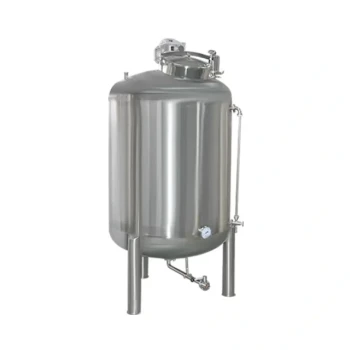
- Professional Honey Storage Tank with Agitation System
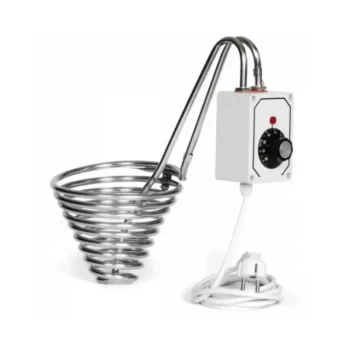
- Professional Thermostatic Conical Honey Melter
People Also Ask
- What economic role do honey storage tanks play? Boost Your Revenue Through Strategic Inventory Management
- What roles do industrial honey storage tanks and filtration meshes play in processing? Ensure Purity & Consistency
- What is the purpose of a honey storage tank? Streamline Your Honey Processing for Quality & Efficiency
- What are honey storage tanks used for? Essential Features for Quality Preservation and Profit
- How do large honey storage tanks and gravity fall filling systems improve honey packaging efficiency and safety?