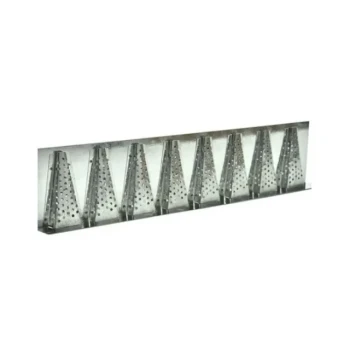
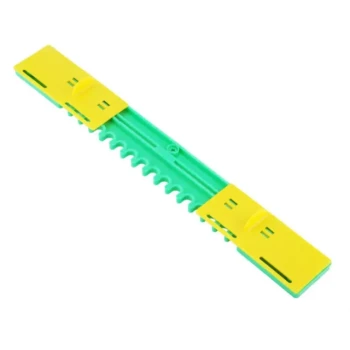
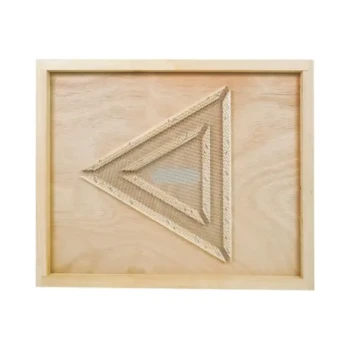
The primary function of small-aperture metal mesh screens is selective exclusion. Installed at the hive entrance, these screens act as a physical barrier designed specifically to block large predatory wasps, such as Vespa affinis. By restricting access based on body size, they prevent predators from entering to destroy the colony while preserving the ability of worker bees to forage and return.
These screens function as a precise biological filter, effectively separating large threats from the colony without compromising the essential airflow or traffic flow required for a healthy hive.
The Mechanics of Hive Defense
Precise Sizing for Selectivity
The effectiveness of these screens relies entirely on specific dimensions. Typically featuring a 1.5 x 1.5 cm aperture specification, the mesh is engineered to be a "sweet spot" in physical sizing.
Targeting the Predator
This specific aperture size is critical for stopping large predators like Vespa affinis. These wasps are physically too bulky to squeeze through the mesh, effectively neutralizing them at the gate.
Preventing Colony Collapse
By blocking entry, the screen prevents the catastrophic damage predators cause once inside. It stops the direct destruction and consumption of both adult bees and vulnerable larvae, safeguarding the colony's future generation.
Physiological and Environmental Balance
Unhindered Worker Movement
While the screen acts as a wall for wasps, it remains a door for the colony. Worker bees are sufficiently small to pass through the 1.5 cm gaps, allowing normal foraging operations to continue without significant disruption.
Maintaining Critical Ventilation
Unlike solid barriers or reduced entrance blocks, metal mesh preserves the hive's respiratory system. It allows for the free exchange of air, preventing overheating and moisture buildup while still maintaining maximum security.
Practical Considerations and Trade-offs
The Importance of Mesh Integrity
For the screen to function, the metal mesh must remain rigid. If the mesh is bent or damaged, the aperture size may distort, either allowing predators in or accidentally barring worker bees.
Monitoring for Congestion
While designed to allow bee traffic, any physical restriction can cause slight congestion during peak foraging hours. It is vital to ensure the mesh does not become clogged with debris or dead bees, which would impede both traffic and ventilation.
Making the Right Choice for Your Goal
To effectively protect your apiary, assess your specific environmental threats.
- If your primary focus is predator exclusion: Install 1.5 x 1.5 cm metal mesh to create an impenetrable barrier against large wasps like Vespa affinis.
- If your primary focus is hive climate control: Prioritize metal mesh over solid reducers to ensure defense does not come at the cost of suffocation.
The correct physical barrier turns a vulnerable entrance into a defensible chokepoint, securing the colony without isolating it.
Summary Table:
| Feature | Specification/Detail | Benefit |
|---|---|---|
| Primary Function | Selective Exclusion | Blocks large predators while allowing honey bee passage. |
| Aperture Size | 1.5 x 1.5 cm | Optimal dimensions to stop Vespa affinis and large wasps. |
| Material | Rigid Metal Mesh | Durable barrier that prevents deformation and entry. |
| Airflow | High Permeability | Prevents hive overheating and moisture buildup. |
| Target Pest | Vespa affinis | Prevents colony collapse and destruction of larvae. |
Secure Your Apiary with HONESTBEE Professional Solutions
Protecting your colony from aggressive predators requires precision-engineered equipment. HONESTBEE provides commercial apiaries and distributors with high-quality beekeeping tools, machinery, and essential consumables designed for maximum hive security and efficiency.
From durable metal mesh screens to advanced hive-making and honey-filling machinery, our comprehensive wholesale portfolio is built to scale your operations. Contact us today to discover how our specialized hardware and industry expertise can safeguard your bees and enhance your production.
References
- C.G. Arunkumara, M. C. Keerthi. Unlocking Local Wisdom: Indigenous Techniques and Farmer Innovations in Beekeeping in Karnataka. DOI: 10.55446/ije.2025.2659
This article is also based on technical information from HonestBee Knowledge Base .
Related Products
- Beehive Entrance Reducer Guardian Metal Hive Entrance for Bees
- 8-Cone Galvanized Steel Bee Robber Guard
- Beehive Entrance Discs Plastic Bee Entrance Disc for Bee Hives
- Steel Round Disc Entrance Reducer for Flexzion Bee Hive Nuc Box Gate
- Professional Reversible Beehive Hive Entrance
People Also Ask
- Why are entrance reducers used to counter hornet infestations? Protect Your Hive with Strategic Choke Points
- What is the purpose of an entrance reducer for a beehive? Strengthen Colony Defense and Prevent Robbery
- What are the proper guidelines for using hive entrance reducers? Master Temperature Control & Colony Defense
- Why is it critical to maintain a smaller entrance for a newly established bee hive? Boost Colony Growth and Security
- What is the physical mechanism behind the use of hive entrance reducers? Protect Your Bees from Vespa velutina