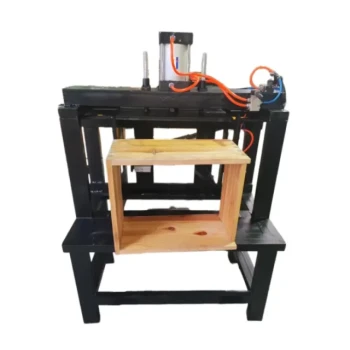
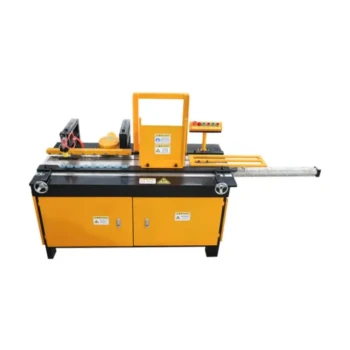
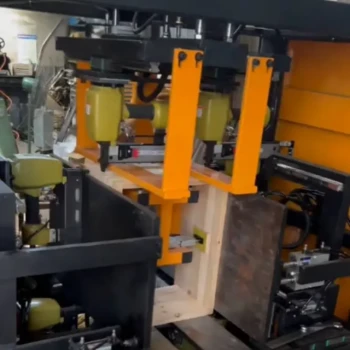
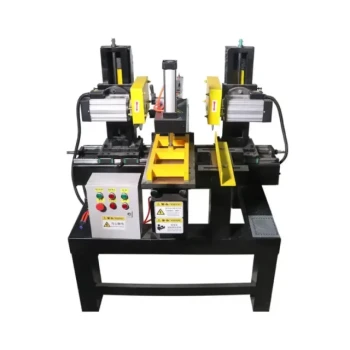
Specialized hive-making machinery transforms beekeeping from a manual craft into a scalable industrial operation. Its primary function is the mass production of standardized, high-precision hive components, which serves as the physical foundation for modern commercial apiaries. This standardization removes the variability of hand-built equipment, enabling the automation of harvesting and the logistical efficiency required for large-scale honey export strategies.
The Core Efficiency By establishing a universal hardware standard, hive-making machinery allows commercial operations to seamlessly interchange parts, automate extraction processes, and rapidly rebuild infrastructure, effectively decoupling production capacity from the limitations of manual labor.
The Foundation of Commercial Scale: Standardization
To understand how honey production scales, one must look at the hive not just as a habitat, but as a unit of industrial production.
Enabling Mass Production and Interchangeability
The primary barrier to scaling an apiary is the management of physical inventory. Specialized machinery produces wooden components with strict dimensional uniformity. This ensures that a frame or box produced today fits perfectly with one produced three years ago, facilitating easy replacement and maintenance across thousands of hives.
Facilitating Automated Harvesting
Scale requires moving from manual scraping to centrifugal extraction. Standardized hives provide the necessary physical interfaces for automated processing equipment. By ensuring structural precision, these machines allow hives to slot directly into mechanical harvesters, ensuring the purity of the raw supply and drastically reducing the time required to harvest each unit.
Optimizing Colony Health and Output
Beyond logistics, the precision of machine-made hives directly impacts the biological efficiency of the bee colonies themselves.
Creating Controlled Environments
Machine-manufactured hives offer superior structural integrity compared to variable hand-built options. Precise joinery creates optimized ventilation and insulation, which protects colonies during overwintering and reduces environmental stress. When bees spend less energy regulating hive temperature, they direct more energy toward nectar collection and honey production.
Enhancing Product Purity and Bioactivity
For high-value exports like Manuka or Tualang honey, purity is paramount. Uniform, well-sealed hives assist beekeepers in precise forage management. By eliminating gaps and structural flaws, beekeepers can better control the colony's environment and flowering period exposure, reducing the mixing of non-target pollens and preserving the specific antioxidant profiles demanded by the global market.
Strategic Resilience and Market Response
The ability to scale is also defined by the ability to recover from setbacks.
Rapid Infrastructure Recovery
Natural disasters, such as hurricanes, can decimate apiary infrastructure overnight. Industrial hive-making machinery enables the rapid, high-volume manufacturing of replacement hardware. This capability allows commercial apiaries to quickly rebuild housing capacity, restoring production output and mitigating the market price volatility that typically follows supply shortages.
Meeting Consumer Packaging Demands
The machinery does not just build the hive; it builds the consumer experience. High-precision frames allow bees to build even, aesthetically pleasing honeycombs. This structural stability is essential for the comb honey market, where 81% of consumers prefer the specific visual and physical qualities that only standardized, industrial-grade frames can consistently provide.
Understanding the Trade-offs
While mechanization is essential for scale, it introduces specific rigidities that producers must manage.
The Dependency on Calibration
Reliance on machinery demands rigorous maintenance of the manufacturing equipment itself. If the hive-making machinery drifts out of calibration, it can produce thousands of defective units that are incompatible with existing automated harvesting lines, creating a costly bottleneck.
Initial Capital Intensity
Moving to mechanized hive production requires significant upfront capital. While it lowers the long-term cost per unit and enables scale, smaller operations may find the initial investment in industrial-grade machinery difficult to justify compared to traditional, lower-volume methods.
Making the Right Choice for Your Goal
The implementation of hive-making machinery should be dictated by your specific production targets.
- If your primary focus is Global Export: Prioritize machinery that ensures strict dimensional compatibility with automated centrifugal extraction lines to maximize throughput.
- If your primary focus is High-Value Bioactive Honey: Focus on machinery that produces well-sealed, high-insulation components to strictly control forage exposure and colony health.
- If your primary focus is Risk Management: Invest in high-throughput machinery capable of rapid mass production to ensure you can replace infrastructure quickly after environmental disruptions.
Ultimately, specialized hive-making machinery is not just about woodworking; it is the strategic lever that converts biological potential into reliable commercial yield.
Summary Table:
| Key Function | Impact on Scalability | Primary Benefit |
|---|---|---|
| Dimensional Standardization | Enables mass interchangeability of parts | Reduces maintenance time and labor costs |
| Precision Joinery | Optimizes hive ventilation and insulation | Improves colony health and honey output |
| Automated Compatibility | Interfaces with centrifugal extraction lines | Drastically increases harvesting speed |
| Rapid Mass Production | Allows quick infrastructure recovery | Mitigates losses from environmental disasters |
| Structural Uniformity | Produces high-quality comb honey | Meets 81% of consumer visual preferences |
Scale Your Apiary Operations with HONESTBEE
Transitioning from manual craft to industrial efficiency requires the right hardware. HONESTBEE specializes in empowering commercial apiaries and distributors with high-precision hive-making machines, honey-filling equipment, and a full spectrum of professional beekeeping tools.
Whether you are looking to automate your harvest, standardize your infrastructure, or source high-quality consumables for wholesale, our team provides the technical expertise and machinery needed to maximize your commercial yield.
Ready to industrialize your production? Contact HONESTBEE Today for a Professional Consultation
References
- Iryna Semeniuk, Daryna Bantiuk. UKRAINE IN THE WORLD HONEY MARKET: FORMING THE EXPORT STRATEGY FOR DOMESTIC SMES IN THE CONDITIONS OF WAR. DOI: 10.32782/2413-9971/2022-43-22
This article is also based on technical information from HonestBee Knowledge Base .
Related Products
- High-Efficiency Pneumatic Bee Hive Making Machine for Rapid Box Assembly
- Beehive Handle and Frame Rest Cutting Machine: Your Specialized Hive Machine
- Mini Desktop Bee Hive Frame Forming Making Machine
- Automatic High-Speed Bee Hive Box Stapling Machine
- Beehive Machine Double End Saw for Precision Hive Component Manufacturing
People Also Ask
- How does the introduction of professional beehive-making machinery benefit sustainable beekeeping? Scale Your Apiary
- Why is specialized beehive-making machinery critical for low-defense breeding? Enhance Selection with Precision Tools
- How does the introduction of specialized beehive making machinery contribute to increasing the scale of regional beekeeping industries?
- What is the importance of specialized beehive making machinery in a circular bio-economy? Build Local Sustainability
- Why is specialized beehive-making machinery essential? Scale Your Apiary with Precision Industrial Standards