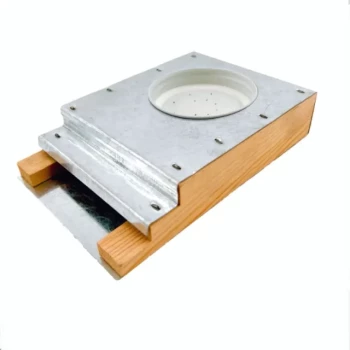
Precision and biosecurity are the defining factors. Specialized feeders, such as 1.5 ml tubes, and feeding plates are critical for delivering exact quantities of nutrition while preventing environmental contamination. They allow for a standardized approach that mimics natural foraging without the risks associated with open or unregulated feeding.
The core value of specialized feeding systems lies in their ability to maintain experimental and biological variables. By ensuring consistent nutritional intake and preventing food spills, these tools protect metabolic baselines and secure the colony against external threats.
The Science of Controlled Nutrition
Achieving Quantitative Accuracy
In research and precise management, knowing exactly how much a colony consumes is vital. Specialized tools allow for the quantitative supply of sugar solutions, pollen, and sugar pastes.
By using specific vessels like 1.5 ml tubes, you can track intake with high precision. This eliminates guesswork regarding the colony's resource consumption.
Maintaining Metabolic Baselines
Consistent nutrition is required to keep a honeybee's metabolism stable. Specialized feeders ensure that the bees receive sufficient and consistent nutrition over time.
This stability is fundamental when evaluating external stressors. If nutrition fluctuates wildly due to poor feeding methods, it becomes impossible to isolate the effects of other environmental factors.
Simulating Natural Behavior
Good feeding design does not just dump food into the hive; it mimics nature. Standardized methods allow bees to access food in a way that simulates natural foraging behavior.
This reduces stress on the colony. It allows them to engage in natural feeding patterns even when resources are provided artificially.
Biosecurity and Environmental Control
Preventing Internal Contamination
A major risk in feeding is spilling sugar syrup or paste inside the hive. Specialized plates are designed to prevent food spills from contaminating the environment.
Sticky spills can trap bees or degrade hive hygiene. A clean feeding interface is essential for maintaining the health of the enclosure.
Deterring Predators and Robbing
When feed leaks or scatters, it attracts trouble. Leak-proof designs prevent the scent of feed from attracting external predators or predatory insects to the apiary.
Furthermore, professional equipment helps prevent robbing behavior. This occurs when bees from other colonies smell open food and attack to steal it, leading to inter-colony warfare.
Understanding the Operational Requirements
The Necessity of System Integration
Specialized feeders are rarely effective in isolation. To function correctly, they often must be combined with anti-bee designs, such as narrowed hive entrances and sealed gaps.
Without these structural adjustments, even the best feeder cannot fully guarantee that the feed is consumed only by the intended colony.
Complexity vs. Convenience
Using tools like 1.5 ml tubes introduces a layer of complexity. It requires more manual handling than bulk open feeding.
This method prioritizes data accuracy and hygiene over speed. It is a trade-off that requires a commitment to precise protocols rather than rapid, volume-based management.
Making the Right Choice for Your Goal
To select the best feeding strategy, you must define your primary objective for the hive.
- If your primary focus is Experimental Data: Prioritize feeders like 1.5 ml tubes that offer quantitative control, ensuring you can measure exact metabolic impacts and stress responses.
- If your primary focus is Colony Security: Prioritize leak-proof plates and narrowed entrances to ensure biosecurity, preventing robbing and keeping predators away from the hive.
The right feeding system transforms nutrition from a simple task into a controlled variable that protects the health and validity of your colony.
Summary Table:
| Feature | Specialized Feeders (e.g., 1.5ml Tubes) | Traditional Open Feeding |
|---|---|---|
| Dosing Accuracy | High (Quantitative tracking) | Low (Estimation only) |
| Biosecurity | Excellent (Leak-proof designs) | Poor (Attracts predators/robbing) |
| Hygiene | Prevents spills and contamination | High risk of sticky hive environments |
| Bee Stress | Low (Simulates natural foraging) | High (Potential for inter-colony warfare) |
| Primary Use | Research and precise management | Rapid bulk feeding |
Elevate Your Apiary Operations with HONESTBEE
At HONESTBEE, we specialize in empowering commercial apiaries and distributors with high-performance beekeeping solutions. Whether you require precise feeding systems to maintain colony health or industrial-grade machinery like hive-making and honey-filling equipment, our comprehensive wholesale portfolio is designed to scale your success.
Our Value to You:
- Comprehensive Supply: From specialized hardware to essential industry consumables.
- Commercial Expertise: Tailored offerings for large-scale operations and global distributors.
- Quality Innovation: Specialized tools that ensure biosecurity and operational efficiency.
Ready to optimize your production and protect your colonies? Contact us today to explore our wholesale equipment!
References
- Keyvin Darney, Monique Gauthier. Effect of high-frequency radiations on survival of the honeybee (Apis mellifera L.). DOI: 10.1007/s13592-015-0421-7
This article is also based on technical information from HonestBee Knowledge Base .
Related Products
- HONESTBEE Entrance Bee Feeder Professional Hive Nutrition Solution for Beekeeping
- HONESTBEE Round Hive Top Bee Feeder for Syrup
- HONESTBEE Professional Entrance Bee Feeder Hive Nutrition Solution
- HONESTBEE Entrance Bee Feeder Efficient Hive Front Liquid Feeding Solution for Beekeeping
- HONESTBEE Square Top Hive Bee Feeder Top Bee Feeder
People Also Ask
- What types of bee feeders are available for beginners? Start with the Simple Entrance Feeder
- What are the advantages and disadvantages of using an entrance feeder for bees? Balance Convenience and Hive Security.
- What is a bee entrance feeder and what are its drawbacks? Essential Guide to Hive Security and Feeding Efficiency
- How does a bee entrance feeder work? A Simple Guide to Convenient Hive Feeding
- How to make an entrance feeder for bees? A DIY Guide for Safe & Effective Feeding