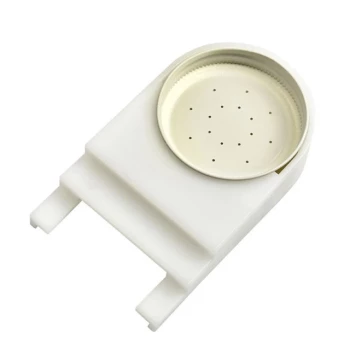
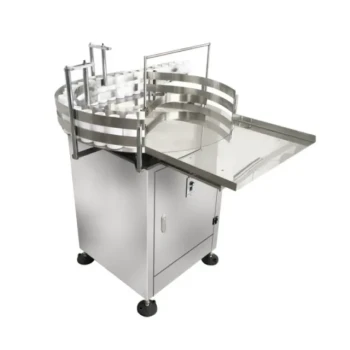
Supplementary feeding is a strategic intervention essential for colony survival during periods of environmental stress. By utilizing specialized equipment to deliver sugar syrup, pollen substitutes, or specialized candy, beekeepers maintain the queen's egg-laying consistency and ensure the colony retains a sufficient workforce to capitalize on future nectar flows.
The true value of supplementary feeding extends beyond simple starvation prevention; it is a continuity strategy. By artificially sustaining the hive’s metabolism and population levels during a dearth, you ensure the colony is biologically prepared to maximize production immediately when natural resources, such as rapeseed or lychee blooms, become available.
Maintaining Population Continuity
Stabilizing the Queen’s Output
The primary risk during a nectar shortage is not just adult mortality, but a halt in reproduction. Specialized feeding provides the nutritional consistency required for the queen to continue laying eggs.
Without this intervention, the colony population will contract. By maintaining the queen's activity, you ensure a steady generation of new bees replaces the aging workforce.
Preparing for the Next Harvest
Timing is critical in apiary management. If a colony shrinks during a shortage, it will lack the workforce needed to gather nectar when the next major bloom arrives.
Proper feeding bridges this gap. It keeps the population density high, ensuring that when high-yield crops like lychee or rapeseed bloom, the colony has the labor force required to secure the honey supply chain immediately.
Enhancing Physiological Health
Supporting Basic Metabolism
When natural sources are scarce, bees face immense physiological stress. Supplemental syrups, often made of high-purity sugar, provide the raw calories needed to maintain hive temperatures and basic metabolic functions.
This energy input reduces physical exhaustion among worker bees. It prevents mass mortality events and stops the colony from absconding—a common defensive reaction to starvation.
Strengthening Immune Response
In areas with fragmented landscapes, malnutrition can make bees vulnerable to external threats. Advanced feeding systems often utilize mixers to provide balanced feeds containing proteins and essential micronutrients.
This nutritional support does more than feed the bee; it activates detoxification enzyme systems. This enhances the individual bee's resistance to pesticides and pathogens, bolstering the overall vitality of the apiary.
The Role of Specialized Equipment
Precision Delivery and Spoilage Control
Effective feeding requires more than just pouring syrup into a hive. Specialized films, bags, and feeders are designed to regulate the release of energy supplements.
These tools protect the feed from environmental factors. They prevent spoilage caused by humidity or temperature fluctuations, ensuring the colony receives safe, consistent nutrition without waste.
Preventing Resource Guarding Issues
Using dedicated feeding equipment helps manage how resources are accessed. This controlled approach mitigates the chaos that can occur during a dearth, preventing frenzy and ensuring the resources are consumed efficiently by the target colony.
Understanding the Trade-offs
The Cost of Intervention vs. Asset Loss
Supplementary feeding requires investment in both consumables (syrups, pollen substitutes) and durable goods (feeders, mixers). This increases the operational cost per hive during the off-season.
However, the trade-off is the preservation of the asset itself. The cost of feeding is significantly lower than the economic loss of a collapsed colony or a missed honey flow due to a weak population.
Management Intensity
Introducing artificial feed requires monitoring. Beekeepers must ensure that the specific type of feed (e.g., slow-release candy vs. liquid syrup) matches the current weather conditions and the colony's immediate metabolic needs.
Making the Right Choice for Your Goal
To maximize the effectiveness of supplementary feeding, align your method with your specific objective for the season:
- If your primary focus is Colony Survival (Winter/Drought): Prioritize high-purity energy syrups or slow-release candy films to maintain hive temperature and prevent starvation-induced absconding.
- If your primary focus is Production Readiness (Pre-Flow): Focus on protein-rich pollen substitutes and consistent syrup delivery to stimulate the queen’s egg-laying and build a maximum workforce for the upcoming bloom.
Effective supplementary feeding is the difference between a colony that barely survives the off-season and one that thrives the moment the flowers open.
Summary Table:
| Objective | Recommended Feed Type | Equipment/Tool Role | Key Benefit |
|---|---|---|---|
| Colony Survival | High-purity sugar syrup / Candy | Slow-release films & bags | Prevents starvation & absconding |
| Population Growth | Protein-rich pollen substitutes | Specialized feeders & mixers | Stimulates queen's egg-laying |
| Immune Support | Micronutrient-balanced feeds | Precision delivery systems | Enhances resistance to pathogens |
| Harvest Readiness | Consistent liquid energy | Regulated flow feeders | Ensures workforce for future nectar flows |
Maximize Your Apiary’s Potential with HONESTBEE
Don't let nectar shortages compromise your honey production. HONESTBEE specializes in supporting commercial apiaries and distributors with a complete range of professional beekeeping solutions. From high-efficiency feeding systems and hive-making machinery to honey-filling equipment and essential consumables, we provide the tools you need to maintain colony vitality year-round.
Why partner with HONESTBEE?
- Wholesale Excellence: Comprehensive inventory for large-scale operations.
- Technical Innovation: Advanced machinery designed for industry durability.
- Growth Focused: Our equipment ensures your colonies are always harvest-ready.
Ready to secure your honey supply chain and enhance hive health? Contact our expert team today to explore our wholesale catalogs and specialized machinery.
References
- MT Uddin, Md. Kamruzzaman. Value Chain Analysis of Honey in Bangladesh: Production Practices and Livelihood Perspective. DOI: 10.3329/sja.v19i2.57689
This article is also based on technical information from HonestBee Knowledge Base .
Related Products
- HONESTBEE Entrance Bee Feeder Professional Hive Nutrition Solution for Beekeeping
- HONESTBEE Professional Hive Top Bee Feeder Feeding Solution
- HONESTBEE Professional Entrance Bee Feeder Hive Nutrition Solution
- In-Hive Dual Compartment Frame Bee Feeder for Targeted Colony Nutrition
- Professional Hive Top Bee Feeder for Beekeeping
People Also Ask
- What types of bee feeders are available for beginners? Start with the Simple Entrance Feeder
- What are the advantages and disadvantages of using an entrance feeder for bees? Balance Convenience and Hive Security.
- What is a bee entrance feeder and what are its drawbacks? Essential Guide to Hive Security and Feeding Efficiency
- How does a bee entrance feeder work? A Simple Guide to Convenient Hive Feeding
- How to make an entrance feeder for bees? A DIY Guide for Safe & Effective Feeding