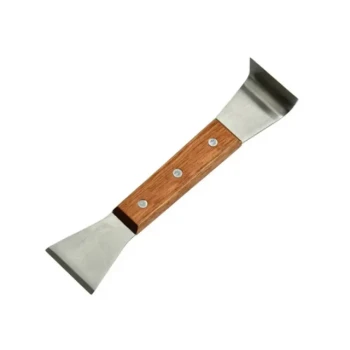
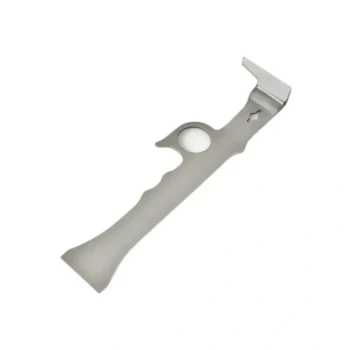
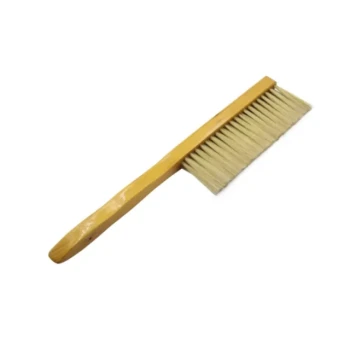
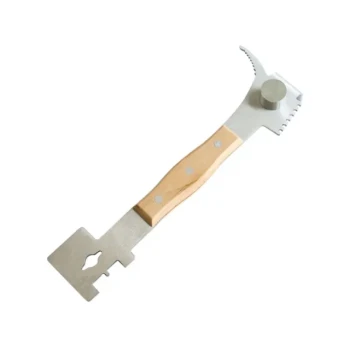
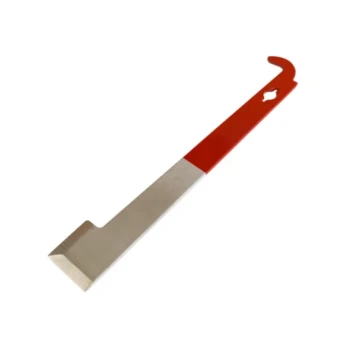
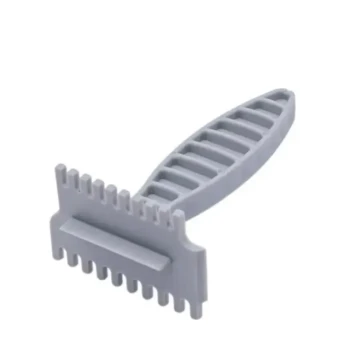
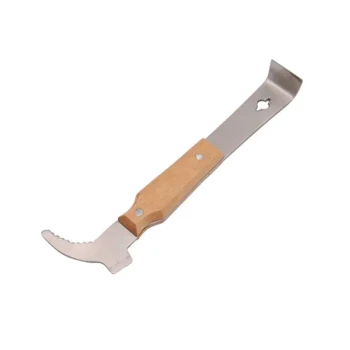
Winter apiary maintenance is fundamentally about risk mitigation and infrastructure preservation. Using cleaning and weeding tools during the colder months serves two critical functions: minimizing wildfire risks by removing combustible debris and protecting wooden hive structures from moisture-induced rot.
While often overlooked, winter ground maintenance is a defensive strategy. It establishes a necessary firebreak around the apiary and removes the damp vegetation that accelerates wood decay and invites pests during periods of low bee activity.
Mitigating Environmental Risks
Creating Essential Firebreaks
The most immediate physical threat to an apiary during dry winter spells is wildfire. Dry grass and accumulated dead vegetation act as highly combustible fuel.
By utilizing weeding tools to clear the immediate vicinity of the hives, you effectively create a firebreak. This buffer zone can prevent ground fires from reaching the hives, protecting your colony and equipment from total loss.
Reducing Pest Infiltration
Overgrown weeds and debris provide a physical "bridge" for pests to access the hive.
Ants and other crawling insects utilize tall grass touching the hive stand to bypass physical barriers. Clearing this vegetation disrupts their path, helping to block predators from entering the hive during a season when the colony is less active and less able to defend itself.
Preserving Infrastructure and Health
Preventing Moisture Damage
Moisture is a significant enemy of wooden beekeeping equipment. Vegetation growing close to or underneath the hive traps humidity and prevents air circulation.
Removing this vegetation allows the wood to breathe and stay dry. This maintenance step directly prevents moisture absorption, significantly extending the service life of your wooden hive components.
Eliminating Contamination Sources
Winter implies a period of dormancy, but it is also the ideal time to ensure the environment remains sanitary.
Professional cleaning tools help remove potential sources of contamination and pathogens from the apiary floor. Maintaining a clean environment minimizes the transmission of disease, providing a stable foundation for the colony's growth once spring arrives.
Operational Considerations and Trade-offs
Disturbance vs. Sanitation
While cleaning is vital, it must be balanced against the colony's need for stability.
Avoid excessive noise or vibration while using heavy weeding tools near the hives. Winter clusters are sensitive; startling the bees can cause them to break the cluster, leading to chilling and colony death.
The Cost of Neglect
The "do nothing" approach saves labor in the short term but incurs high long-term costs.
Failing to weed leads to accelerated rotting of bottom boards and hive stands. The cost of replacing woodenware prematurely usually far outweighs the labor investment of winter weeding.
Maximizing Winter Maintenance Efficiency
To apply these principles effectively, assess your specific local environment and prioritize accordingly:
- If your primary focus is wildfire safety: clear a wide perimeter of dry grass down to the bare earth to create a reliable firebreak.
- If your primary focus is equipment longevity: ensure all vegetation is trimmed back from touching the hive stands to facilitate airflow and reduce rot.
- If your primary focus is pest control: remove all debris from beneath the hive to eliminate hiding spots for ants and other insects.
A clean apiary floor is not just about aesthetics; it is a critical investment in the safety and longevity of your operation.
Summary Table:
| Maintenance Focus | Key Tool Utility | Primary Benefit |
|---|---|---|
| Fire Prevention | Weeding Tools | Creates firebreaks by removing dry, combustible debris. |
| Equipment Longevity | Clearing Tools | Prevents moisture-induced rot by improving hive airflow. |
| Pest Control | Cleaning Tools | Disrupts pest bridges and eliminates insect hiding spots. |
| Sanitation | Scraping/Cleaning | Reduces pathogen accumulation on the apiary floor. |
Scale Your Apiary Efficiency with HONESTBEE Professional Equipment
Protecting your investment during the winter requires more than just effort—it requires the right tools. At HONESTBEE, we specialize in supporting commercial apiaries and distributors with a comprehensive range of high-quality wholesale beekeeping machinery, specialized hardware, and essential consumables.
Whether you need hive-making machines to expand your infrastructure or honey-filling equipment to streamline production, our portfolio is designed to enhance your operational longevity and profitability.
Ready to upgrade your apiary’s performance? Contact us today to discuss how our wholesale solutions can serve your business needs.
References
- Fernando N. Céspedes, Ana H. Ladio. Between flowers, humans, and honeybees: Local ecological knowledge associated with apiculture in two areas of Silípica department, Santiago del Estero, Argentina. DOI: 10.1525/elementa.2023.00009
This article is also based on technical information from HonestBee Knowledge Base .
Related Products
- Stainless Steel J Hook Hive Tool for Beekeeping
- Professional Dual-End Stainless Steel Hive Tool for Beekeeping
- HONESTBEE Classic Pry Bar Hive Tool with High Visibility Finish for Beekeeping
- HONESTBEE 15-in-1 Beekeeper Multi-Tool with Hammer and Pliers for Beekeeping
- HONESTBEE Advanced Ergonomic Stainless Steel Hive Tool for Beekeeping
People Also Ask
- What specific challenges do beekeeping hive tools address during hive maintenance? Essential Solutions for Apiaries
- What are the features of a J-hook hive tool? Effortlessly Lift Frames with Superior Leverage
- What is a J-hook hive tool and why is it favored by some beekeepers? Master Gentle Frame Handling
- What is the purpose of the J-hook hive tool? Effortlessly Lift Frames with Superior Leverage
- How is a J-hook hive tool designed and what is its primary use? Master Effortless Hive Inspections