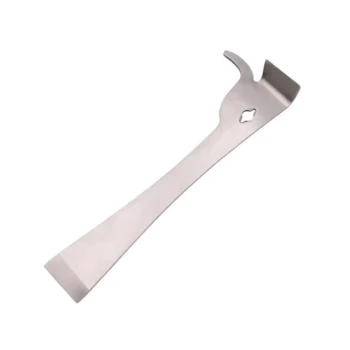
Professional hive tools and observation equipment are essential because they allow for precise, low-interference inspections that are critical for maintaining colony stability during queen rearing. These tools enable technicians to accurately monitor key biological markers—such as cell construction, capping progress, and larval health—to ensure that only high-quality queens are selected.
Effective queen rearing is not just about breeding; it is about rigorous quality control. Specialized equipment allows you to intervene at critical moments to remove underperforming cells without disrupting the delicate nutritional and environmental conditions required for successful development.
The Necessity of Low-Interference Inspection
Preserving Colony Stability
Honeybee colonies are highly sensitive to disturbance, especially during the vulnerable stages of queen rearing. Professional hive tools, such as smokers and hive scrapers, are necessary to perform inspections with minimal disruption.
Accurate Visualization of Development
To evaluate the effectiveness of rearing protocols, technicians must clearly see the construction status of queen cells. Professional equipment allows for the safe manipulation of frames to verify that larvae are being fed and capped correctly following nutritional supplementation.
Reducing Physical Strain and Risk
While not a direct measurement tool, hive stands are critical observation equipment that elevate the colony. This provides ergonomic access for the technician and protects the hive from ground-based pests, ensuring the evaluation environment remains uncontaminated.
Critical Milestones for Evaluation
The Day 9 Intervention
Evaluation is time-sensitive. On the 9th day after splitting, specific hive tools are required to safely open covers and inspect queen cell development. This is the moment to identify and manually remove underdeveloped or deformed cells before they waste further colony resources.
The Day 16 Emergence Check
On the 16th day, scrapers and inspection tools are used to verify the emergence of the new queen. This step confirms the closure of the rearing cycle and validates the success of the entire breeding program.
Precision in the Grafting Phase
While primarily a production step, the use of grafting tools is the baseline for evaluation. These precision instruments transfer specific-aged larvae without physical harm, ensuring that any later failure is due to genetics or nutrition, not physical trauma during transfer.
Optimizing Selection Through Culling
Removing Underperforming Cells
The primary goal of evaluation is quality control. Regular monitoring enables the timely removal of underperforming queen cells. This culling process ensures that the colony focuses its energy solely on the most viable candidates.
Validating Nutritional Protocols
By observing the health of the larvae and the quality of the capped cells, you can directly assess the impact of nutritional supplementation. If the tools reveal poor construction or weak larvae, it indicates a need to adjust the colony's nutritional inputs immediately.
Common Pitfalls to Avoid
Over-Reliance on Equipment
Possessing professional tools does not eliminate the need for biological knowledge. Tools facilitate observation, but they cannot interpret the data; a skilled technician must still recognize the subtle signs of larval distress or malnutrition.
The Danger of Over-Inspection
While tools make access easier, opening the hive too frequently can fluctuate internal temperatures and humidity. Inspections must be targeted (e.g., specifically on day 9 and day 16) rather than constant, as excessive interference can lower the acceptance rate of queen cells.
Making the Right Choice for Your Goal
To maximize the effectiveness of your honeybee queen rearing program, select your tools based on your specific operational focus.
- If your primary focus is Genetic Quality: Prioritize high-precision magnification and lighting equipment to ensure the grafting tool moves only the healthiest larvae without trauma.
- If your primary focus is Production Efficiency: Focus on ergonomic hive scrapers and standardized hive stands to streamline the physical labor of the Day 9 and Day 16 inspections.
The right tools turn the complex biology of queen rearing into a measurable, manageable, and repeatable process.
Summary Table:
| Tool Type | Role in Evaluation | Main Benefit |
|---|---|---|
| Grafting Tools | Precise larval transfer | Reduces physical trauma to larvae |
| Hive Scrapers | Safe frame manipulation | Enables low-interference checks |
| Observation Gear | Monitoring cell growth | Validates nutritional protocols |
| Hive Stands | Ergonomic accessibility | Protects against ground-based pests |
Scale Your Success with HONESTBEE
At HONESTBEE, we specialize in supporting commercial apiaries and distributors with a comprehensive wholesale offering. We supply the full spectrum of beekeeping tools, machinery, and equipment, along with a wide array of essential industry consumables. Our portfolio covers everything you need to succeed—from specialized hardware like hive-making and honey-filling machines to unique honey-themed cultural merchandise.
Maximize your breeding efficiency and product quality with professional-grade gear. Contact us today to learn how our comprehensive solutions and industry expertise can bring superior value to your operations.
References
- Nazia Haleem, Rajinder Kaur. Effect of nutritional supplements on queen cell production in honey bee (Apis mellifera). DOI: 10.31018/jans.v7i1.623
This article is also based on technical information from HonestBee Knowledge Base .
Related Products
- Professional Multi-Function Stainless Steel Hive Tool
- Professional Stainless Steel Pry-Bar Hive Tool
- HONESTBEE Professional Long Handled Hive Tool with Precision Cutting Blade
- HONESTBEE Premium Italian Style Hive Tool with Hardwood Handle
- Ergonomic Plastic Frame Spacer Tool for Rapid Hive Management Beekeeping
People Also Ask
- Why are professional hive tools considered indispensable? Master Beekeeping Maintenance with Precision Leverage
- What is the role of professional hive tools in routine apiary maintenance? Expert Tips for Hive Health and Longevity
- What are the benefits of a multi-functional hive tool? Streamline Your Apiary Workflow with One Tool
- What advantages do multi-functional hive tools offer? Maximize Your Apiary Efficiency and Workflow
- What are the common construction features of hive tools? Key Insights for Superior Beekeeping Efficiency