The fundamental difference is water content. Uncapped honey typically holds a significantly higher moisture level, whereas capped honey has been dehydrated by the colony to a state of long-term preservation. This distinction is critical because it dictates whether the honey is shelf-stable or susceptible to spoilage.
Core Takeaway High moisture is the primary cause of honey fermentation. To ensure stability, honey must reach a moisture content of 18% or lower—a threshold visually signaled when bees seal the honeycomb cells with wax caps.
The Significance of Moisture Content
The Fermentation Threshold
The stability of honey relies entirely on its water content. To prevent fermentation, harvested honey must maintain a moisture level of 18% or lower.
If moisture exceeds this limit, natural yeasts present in the honey can become active. This leads to fermentation, which sours the flavor and ruins the harvest.
The Role of Capping
Bees generally cap the honeycomb cells only when the nectar has been sufficiently dehydrated.
Therefore, the wax cap serves as a visual indicator for the beekeeper. It signals that the honey behind the seal has reached the necessary density and low moisture content for safe storage.
Guidelines for Harvesting
The 90% Rule
Because uncapped honey is wetter, harvesting frames with too much open comb can ruin an entire batch. The excess water in the uncapped cells dilutes the drier, capped honey.
To ensure the final product stays below the 18% moisture limit, it is recommended that at least 90% of the honey on a frame be capped before harvesting.
Visual Assessment
Beekeepers prioritize capped frames to guarantee the highest quality crop.
Relying on this visual cue minimizes the need for expensive testing equipment during the extraction process.
Risks of Premature Harvesting
Understanding the Trade-offs
Harvesting uncapped frames is a common error that prioritizes speed over quality.
The Spoilage Trap
If you harvest frames that are largely uncapped, the aggregate moisture content of your batch will likely exceed 18%.
While the honey may look fine initially, it will eventually ferment in the jar. This results in a sour, bubbly product that is unfit for consumption.
Making the Right Choice for Your Goal
- If your primary focus is long-term storage: Wait until the frames are fully capped to ensure the moisture is low enough to prevent fermentation.
- If your primary focus is maximizing the current harvest: strictly adhere to the rule that 90% of the frame must be capped to balance out any slight moisture in the uncapped cells.
Patience during the capping process is the only way to guarantee a shelf-stable, high-quality product.
Summary Table:
| Feature | Uncapped Honey | Capped Honey (Target) |
|---|---|---|
| Moisture Content | High (>18%) | Low (≤18%) |
| Stability | Susceptible to fermentation | Shelf-stable and preserved |
| Visual Indicator | Open honeycomb cells | Sealed with wax caps |
| Harvest Readiness | Needs more dehydration | Ready for extraction |
| Quality Risk | Sours flavor/bubbly texture | High-quality, long-term storage |
Elevate Your Commercial Honey Production with HONESTBEE
Maintaining the perfect 18% moisture threshold is the hallmark of a professional harvest. At HONESTBEE, we specialize in supporting commercial apiaries and distributors with the advanced tools needed to process high-quality, shelf-stable honey.
Our comprehensive wholesale range includes:
- Specialized Machinery: High-efficiency honey-filling machines and precision hive-making equipment.
- Beekeeping Hardware: Professional-grade tools and machinery for large-scale extraction.
- Industry Consumables: A wide array of essentials for daily apiary management.
- Cultural Merchandise: Unique honey-themed products to expand your brand's reach.
Ready to scale your operations with premium equipment and expert support? Contact us today to explore our wholesale solutions!
Related Products
- Professional Honey Uncapping Roller for Efficient Harvesting
- Plastic Honey Uncapping Tub Tank for Beekeeping
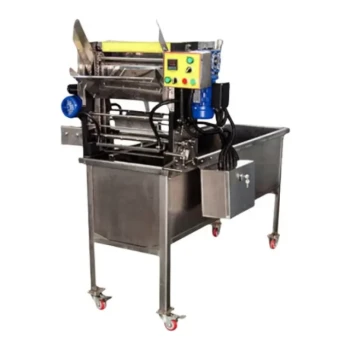
- Automatic Honey Frame Uncapper Machine for Beekeeping
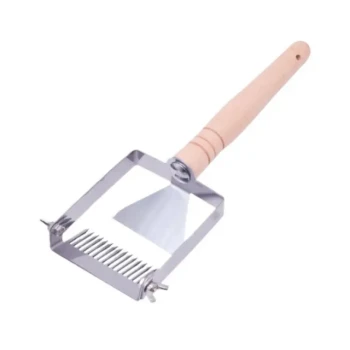
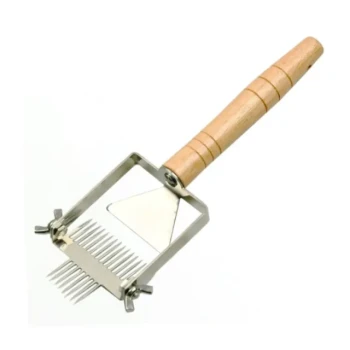
- Adjustable Stainless Steel Honey Uncapping Fork with Scraper for Beekeeping
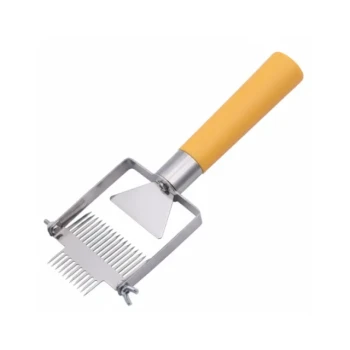
- Double Sided Adjustable Honey Uncapping Fork with Plastic Handle
People Also Ask
- What other tools are available for honey uncapping besides knives? Find the Right Tool for Your Apiary's Scale
- What are the methods of uncapping honey? A Guide to Tools for Efficient Harvests
- What tools are available for uncapping honey? A Guide to Choosing the Right Tool for Your Operation
- What tools can be used to uncap honey cells? Expert Guide to Efficient Honey Extraction Equipment
- What are the essential tools for uncapping honey frames? Choose the Right Tool for Your Apiary