The primary consequence of harvesting honey without a mechanical extractor is the total destruction of the wax honeycomb. When you utilize manual harvest techniques, such as the "Crush-and-Strain" or "Cut-Comb" methods, the structural integrity of the comb is ruined during the removal of the honey. This renders the frames unusable for immediate reuse within the hive.
By destroying the comb to retrieve the honey, you force the colony to restart their construction process. The bees cannot simply refill the cells; they must expend significant energy and time secreting new wax to rebuild the infrastructure before they can store a new crop.
The Cost of Comb Destruction
The Energy Deficit
The most significant downstream effect of destroying comb is the energy tax it places on your bees. Wax production is metabolically expensive for a colony.
When you return intact wet frames to a hive after using an extractor, bees can immediately begin cleaning and refilling them. Conversely, when the comb is destroyed, bees must consume large amounts of their own honey stores to produce the wax scales needed to rebuild.
The Impact on Production Speed
Because the colony is diverted to construction tasks, their ability to stockpile surplus honey is delayed.
In regions with short nectar flows, this delay can significantly reduce the total harvest for the season. The colony is focusing on infrastructure rather than storage.
Alternative Methods Involved
Crush-and-Strain
This is the most common method for beekeepers without extractors. It involves scraping the comb off the frame, mashing it to break the cell walls, and straining the liquid through a filter.
While effective for extracting liquid, this method guarantees the loss of the drawn comb.
Cut-Comb
In this method, the comb is cut out of the frame and sold or consumed whole. While this creates a premium product, the result is the same: the frame is returned to the hive empty or with only a starter strip, requiring a full rebuild.
Understanding the Trade-offs
While preserving comb is generally preferred for honey production, purchasing an extractor is not without its own set of challenges and risks.
Financial and Spatial Investment
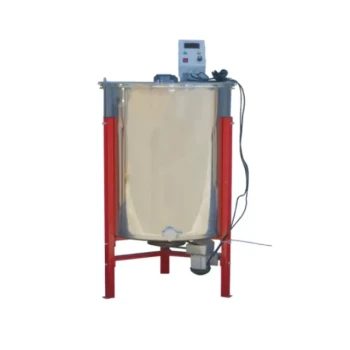
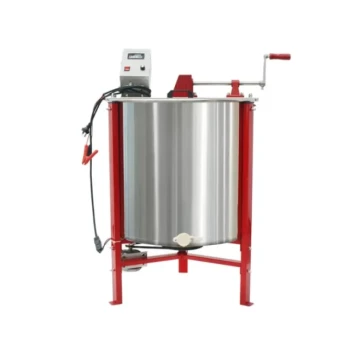
Extractors represent a high initial cost, particularly if you opt for electric models. They also require dedicated storage space, which can be a hurdle for hobbyists with limited room.
Maintenance and Disease Risk
An extractor is not a "set it and forget it" tool. It requires a strict cleaning schedule. Failure to clean the equipment properly can leave behind residues that attract pests like wax moths.
More critically, shared or improperly sanitized extractors are a vector for spreading bee diseases between colonies.
Potential for Damage Despite Equipment
Using an extractor does not guarantee comb preservation if used incorrectly.
If an electric extractor spins too fast, or if frames are unbalanced, the centrifugal force can "blow out" the comb, destroying it just as effectively as the crush-and-strain method. This requires careful speed control and proper frame uncapping.
Making the Right Choice for Your Apiary
The decision to use an extractor or alternative methods depends on your specific goals for the season.
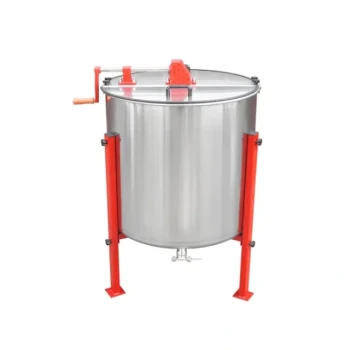
- If your primary focus is maximum honey yield: Invest in an extractor to preserve drawn comb, allowing bees to focus entirely on nectar collection rather than wax production.
- If your primary focus is low-cost entry or small-scale hobbyist: Utilize the crush-and-strain method, accepting that your bees will need time to rebuild, but avoiding the cost and storage requirements of heavy machinery.
- If your primary focus is comb honey sales: Skip the extractor entirely and use cut-comb methods, as the wax itself is the product you are selling.
Ultimately, the choice relies on whether you value the preservation of your bees' labor (the wax) over the preservation of your own capital (the cost of the equipment).
Summary Table:
| Harvesting Method | Impact on Comb | Labor for Bees | Equipment Cost | Best Use Case |
|---|---|---|---|---|
| Centrifugal Extractor | Preserved (Reusable) | Minimal (Cleaning only) | High | Commercial & High-Yield Yields |
| Crush-and-Strain | Destroyed | Extreme (Full Rebuild) | Very Low | Small Hobbyists/Low Budget |
| Cut-Comb | Harvested with Honey | Extreme (Full Rebuild) | Low | Premium Specialized Products |
| Manual Scraping | Damaged | High (Repair needed) | None | Emergency Harvest |
Scale Your Honey Production with HONESTBEE
Don't let manual extraction slow your growth or exhaust your colonies. HONESTBEE specializes in supporting commercial apiaries and distributors with high-performance honey-filling and extraction machinery designed to preserve your valuable comb and maximize seasonal yields.
From industrial-grade beekeeping tools to specialized hardware and honey-themed cultural merchandise, we provide the full spectrum of equipment needed to run a professional operation.
Ready to upgrade your efficiency? Contact us today to explore our wholesale offerings and see how our machinery can transform your harvest.
Related Products
- HONESTBEE 72 Frame Industrial Electric Honey Extractor for Beekeeping
- Commercial Electric 12 Frame Honey Extractor Spinner Motorized Honey Extractor
- 32 Frame Commercial Electric Honey Extractor for Beekeeping and Honey Production
- HONESTBEE 3-Frame Manual Acrylic Honey Extractor
- HONESTBEE 6 Frame Self Reversing Electric Honey Extractor for Beekeeping
People Also Ask
- What is the importance of balancing honeycomb frames within a honey extractor? Ensure Stability and Protect Machinery
- How is honey separated from the frames after they are uncapped? Efficient Extraction Methods for High Yields
- What are the main benefits of using a honey extractor? Maximize Yields and Protect Your Honeycomb
- What are the recommended methods for removing honey from the honeycomb? Top Extraction Techniques for Maximum Efficiency
- How do manual honey extractors compare to electric honey extractors? Choosing the Right Tool for Your Apiary Growth