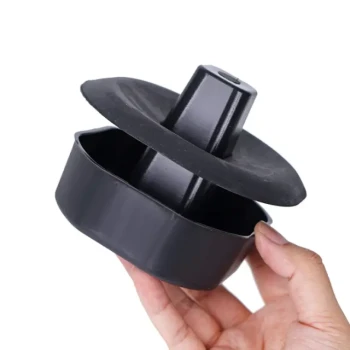
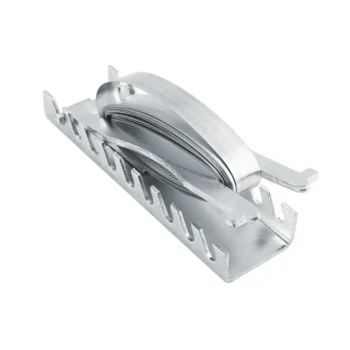
Ant protection devices function as an essential physical shield between the ground and your hive, specifically designed to intercept climbing predators before they reach the colony. By integrating ant cups or applying protective media to hive stands, you create an impassable boundary that safeguards vulnerable honey larvae and food stores from destruction.
The necessity of these devices extends beyond simple pest control; they are a primary defense against colony absconding. By eliminating constant harassment from predators, you ensure the stability of the settlement and secure the continuity of the hive.
The Strategic Value of Physical Barriers
Blocking the Path of Predation
The primary function of an ant protection device is to sever the connection between the soil and the hive entrance.
Whether using fluid-filled cups or coated barriers, these devices effectively block the access route for ants, termites, and other crawling predators.
safeguarding Future Generations
Ants are rarely interested in the hive structure alone; they are often hunting for protein and sugar.
Without protection, predators can easily infiltrate the brood nest to consume honey larvae, threatening the future workforce of the colony.
Protecting Resource Reserves
In addition to the brood, your honey stores are a prime target for invading insects.
Barriers on the hive stand prevent these pests from robbing the colony of its winter resources and harvested production.
Ensuring Colony Stability
Mitigating the Risk of Absconding
Honeybees have a natural survival response to persistent harassment: they leave.
This phenomenon, known as absconding, occurs when a colony abandons a habitat it deems unsafe due to heavy infestation.
Stabilizing the Settlement
By installing ant protection, you remove the stress factors that drive bees away.
This "peace of mind" for the colony ensures they remain settled, allowing them to focus on foraging and brood rearing rather than defense and evacuation.
Understanding the Trade-offs
The Requirement of Maintenance
Physical barriers are not "set and forget" solutions; ant cups filled with oil or water can evaporate or become clogged with debris.
If the protective media dries out, the barrier fails immediately, requiring regular inspection to remain effective.
The Risk of Bridging
Even the best stand protection is rendered useless if vegetation bridges the gap.
Tall grass or weeds touching the hive box allow ants to bypass the stand entirely, making vegetation management around the base just as critical as the device itself.
Optimizing Your Apiary Infrastructure
To ensure the longevity and productivity of your colonies, you must match your defense strategy to your management goals.
- If your primary focus is Colony Retention: Prioritize these devices to eliminate predator harassment, which is a leading cause of colony absconding.
- If your primary focus is Production Security: Use these barriers to strictly isolate honey stores and larvae from consumption by invasive ground pests.
Investing in hive stand protection is the single most effective physical measure to stabilize your colony's environment.
Summary Table:
| Feature | Protection Mechanism | Primary Benefit |
|---|---|---|
| Ant Cups/Barriers | Severs physical path between soil and hive | Blocks ants, termites, and crawling predators |
| Brood Protection | Isolates nest from protein-seeking pests | Safeguards honey larvae and future workforce |
| Resource Security | Prevents looting of sugar stores | Protects honey reserves for winter and harvest |
| Stress Reduction | Eliminates persistent predator harassment | Prevents colony absconding and abandonment |
Secure Your Apiary Productivity with HONESTBEE
Protecting your investment starts with professional-grade infrastructure. At HONESTBEE, we specialize in supporting commercial apiaries and distributors with a comprehensive range of high-quality beekeeping tools and machinery.
Whether you need specialized hive-making equipment, precision honey-filling machines, or essential protective consumables for your colonies, our wholesale solutions are designed to enhance your efficiency and growth. Don't let pests compromise your production—leverage our industry expertise to stabilize your settlements today.
References
- Sudi Dawud, Kasahun Lemi. Participatory Improved Beekeeping Technology Demonstration and Evaluation, Daro Labu, Western Hararghe, Oromia Regional state, Ethiopia. DOI: 10.7176/jnsr/9-5-08
This article is also based on technical information from HonestBee Knowledge Base .
Related Products
- Metal Hive Feet Bee Hive Stand for Ant Protection
- Professional Ant-Proof Beehive Stand with Integrated Moat for Beekeeping
- Metal Bee Hive Stand Bee Box Stand for Beekeeping
- Plastic Bee Hive Stand for Beekeeping
- High Security Emlock Strap System
People Also Ask
- What are the benefits of elevating a bee hive with a stand or base? Protect Your Colony and Your Back
- How does a beehive stand protect against predators and pests? Essential Strategies for Colony Security
- How should the height of a beehive stand be determined? Find Your Ergonomic Sweet Spot
- What to stand a beehive on? The Best Foundation for a Healthy, Manageable Apiary
- What is the best base for a beehive? Choose the Right Stand for Colony Health