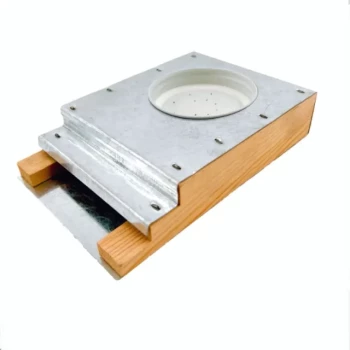
Standardized feeding trays are essential for creating a controlled, hygienic environment for supplemental bee nutrition. By strictly unifying dimensions—such as 2 inch x 2 inch—and maintaining consistent installation heights, these trays eliminate environmental variables that could otherwise skew induction experiments or feeding efficiency. Furthermore, they provide a stable hardware base that prevents feed from spoiling due to ground contact while enabling precise observation of bee visitation frequencies.
The use of standardized trays elevates supplemental feeding from a basic survival measure to a precise management strategy. It ensures that while you prevent starvation during nectar dearths, you also maintain the hygienic conditions and data consistency required to accurately monitor colony health and responsiveness.
The Technical Value of Standardization
Eliminating Environmental Variables
The primary technical advantage of standardized trays is the creation of a controlled platform. By keeping physical dimensions and installation heights identical across all hives, you remove mechanical variables that could influence feeding behavior. This ensures that any difference in consumption or visitation is due to the colony's biology, not the equipment.
Preventing Spoilage and Contamination
Pollen substitutes and supplements are highly susceptible to moisture. Standardized trays are designed to keep feed physically separated from the ground. This prevents the feed from becoming damp, protecting it from mold and spoilage that can harm the colony or waste resources.
Enabling Accurate Observation
For beekeepers conducting induction experiments or health assessments, consistency is key. A standardized hardware base allows for reliable counting of bee visitation frequencies. Because the "landing zone" is identical for every colony, visual data and consumption rates can be compared objectively between hives.
The Biological Necessity During Dearth Periods
Preventing Starvation and Absconding
During non-nectar flow periods—caused by drought, seasonal shifts, or heavy rainfall—natural resources are insufficient. Without intervention, colonies face starvation or may abscond (abandon the hive). Standardized feeding delivers the specific calories needed to maintain hive temperatures and basic biological functions, significantly reducing mortality rates.
Maintaining Colony Momentum
Survival is not the only goal; the colony must remain productive. Artificial feeding ensures the queen continues to lay eggs and the workforce remains robust. This prevents a population crash, ensuring the colony is at optimal strength to exploit the next major nectar flow immediately.
Supporting Developing Colonies
New packages or nucleus hives often lack the established honeycomb and population size to survive a dearth on their own. Consistent delivery of energy syrups or pollen substitutes through these trays provides the fuel necessary for comb building and population growth, regardless of external foraging conditions.
Common Pitfalls to Avoid
Mistaking Standardization for Automation
While standardized trays improve consistency, they do not eliminate the need for monitoring. Even in a raised, standardized tray, feed can eventually spoil if left too long in high humidity. Regular inspection is required to ensure the feed remains palatable and safe.
Over-Reliance on Supplements
Supplemental feeding is a bridge, not a permanent replacement for natural forage. The goal is to maintain energy reserves and stimulate brood rearing during specific gaps identified by a flowering calendar. Extending artificial feeding into a natural nectar flow can clutter the brood nest and dilute the quality of the honey harvest.
Making the Right Choice for Your Goal
To apply this effectively, assess your primary objective for the current season:
- If your primary focus is scientific observation or experimentation: Prioritize the strict uniformity of tray dimensions and height to ensure that your data on bee visitation and consumption is statistically valid and free of environmental noise.
- If your primary focus is colony survival and production: Focus on the timely installation of these trays during identified nectar gaps to maintain queen laying rates and ensure a workforce ready for the next peak season.
Standardization converts the chaotic variable of nature into a measurable, manageable process that secures the future of the apiary.
Summary Table:
| Feature | Technical Benefit | Biological Impact |
|---|---|---|
| Unified Dimensions | Eliminates environmental variables | Ensures equal feed access for all hives |
| Elevated Design | Prevents ground moisture & spoilage | Maintains feed hygiene and bee health |
| Consistent Hardware | Accurate visitation frequency tracking | Enables precise monitoring of colony vigor |
| Timed Deployment | Controlled nutritional intake | Prevents starvation and hive absconding |
Maximize Your Apiary Productivity with HONESTBEE
Standardized feeding is more than a survival tactic—it is a professional management strategy. At HONESTBEE, we empower commercial apiaries and distributors with the high-quality tools needed to maintain colony momentum year-round. From specialized hardware and hive-making machinery to a full spectrum of beekeeping consumables, our wholesale solutions are designed to scale your operations and improve hive health.
Ready to upgrade your equipment? Contact us today to discover how our comprehensive portfolio of professional beekeeping machinery and tools can drive success for your business.
References
- Usha Usha, M. S. Khan. Exploration of various flours as pollen substitutes for Apis mellifera L. during Dearth period at Tarai region of Uttarakhand, India. DOI: 10.31018/jans.v6i2.541
This article is also based on technical information from HonestBee Knowledge Base .
Related Products
- Professional In-Hive Bee Feeder HONESTBEE Frame for Beekeeping
- Classic Boardman Entrance Bee Feeder Hive Front Feeding Solution
- Boardman Entrance Bee Feeder Durable Galvanized Steel and Wood Construction for Beekeeping
- Langstroth Solid Bottom Board for Beekeeping
- HONESTBEE Entrance Bee Feeder Efficient Hive Front Liquid Feeding Solution for Beekeeping
People Also Ask
- When should beekeepers stop feeding their bees? Let Your Bees Tell You
- Why is the use of a beekeeping feeder for syrup supplementation important? Boost Colony Growth and Survival
- What are the common types of internal and external feeders used in beekeeping? Choose the Right Feeder for Your Hive
- What is a feeder in the context of beekeeping? Optimize Your Hive Nutrition and Growth
- How do specialized feeders contribute to effective artificial feeding? Scientific Apiary Management & Colony Health