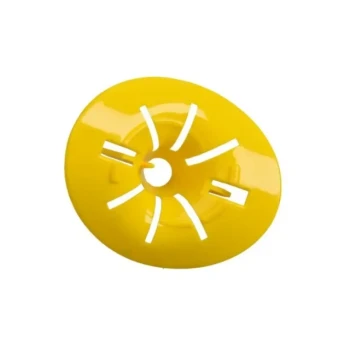
A pollen trap is a precision mechanical device installed at the entrance of a beehive to automate the harvesting of pollen pellets. By forcing returning foragers to navigate through a calibrated grid or mesh, the device uses physical pressure to dislodge pollen from the bee's hind legs, allowing it to fall into a collection tray without requiring the beekeeper to open the hive.
Core Takeaway Pollen traps function as a selective filter for the hive, utilizing mechanical friction to separate pollen loads from foraging bees. This technology enables the large-scale, non-invasive collection of pure botanical samples for commercial sale or scientific analysis while allowing the bees to maintain normal hive access.
The Operating Principle: Mechanical Separation
The efficacy of a pollen trap relies on simple, consistent mechanical interference.
The Stripping Plate
The heart of the device is a stripping plate—a grid or mesh with specifically sized apertures. This barrier is installed directly in the flight path of bees returning to the colony.
Physical Detachment
As bees squeeze through these tight openings, the edges of the grid exert mechanical pressure on the bee's hind legs. This friction effectively scrapes or "strips" the pollen pellets held in the pollen baskets (corbiculae), detaching them from the bee.
Gravity-Fed Collection
Once dislodged, the pollen pellets fall through a secondary mesh that bees cannot pass through. They land in a shielded collection drawer or box below, keeping the harvest distinct from the colony's internal environment.
Strategic Utility in Beekeeping
Beyond simple harvesting, pollen traps serve specific operational needs for commercial and scientific enterprises.
Non-Invasive Harvesting
The primary advantage is the ability to harvest without disruption. Traps are externally mounted, meaning large-scale collection does not require disassembling the internal hive structure or disturbing the brood nest.
Product Diversification
For commercial operations, these devices are the foundational hardware for producing bee pollen. By collecting fresh pellets immediately upon the bee's return, the trap ensures the material remains clean and suitable for processing into high-value consumer products.
Scientific Monitoring
Researchers utilize these traps to obtain pure botanical samples. Because the pollen is intercepted before it is stored in the comb, it provides an accurate snapshot of local flora, essential for analyzing nutritional composition (lipids/fatty acids) and environmental diversity.
Operational Considerations and Trade-offs
While effective, pollen traps introduce specific constraints that the beekeeper must manage.
Colony Nutrition Balance
Pollen is the colony's primary protein source. While some traps are designed to capture only a percentage of incoming pollen (e.g., 10%) for monitoring, aggressive trapping can lead to nutritional deficits if left unchecked.
Entrance Congestion
The installation of a stripping grid creates a bottleneck at the hive entrance. In periods of extremely heavy foraging, this can slow down the traffic of incoming and outgoing bees, potentially affecting overall foraging efficiency.
Making the Right Choice for Your Goal
The implementation of pollen traps should be dictated by your end-use for the material.
- If your primary focus is Commercial Production: Prioritize front-mounted traps with high-capacity collection drawers to maximize yield and operational efficiency without opening hives.
- If your primary focus is Bio-Monitoring: Utilize traps calibrated for lower retention rates (approx. 10%) to gather continuous data on floral diversity without disrupting the colony's long-term health.
By treating the pollen trap as a precision filter rather than a simple barrier, you optimize both the quality of your harvest and the sustainability of your apiary.
Summary Table:
| Feature | Description |
|---|---|
| Primary Component | Stripping plate with calibrated apertures (grid/mesh) |
| Mechanism | Mechanical friction/pressure to dislodge pollen pellets |
| Collection Method | Gravity-fed into a shielded, external drawer |
| Main Benefits | Non-invasive harvesting, product diversification, botanical sampling |
| Operational Impacts | Increased hive entrance congestion and protein management needs |
Maximize Your Apiary's Productivity with HONESTBEE
At HONESTBEE, we specialize in empowering commercial apiaries and distributors with the high-performance tools needed for modern beekeeping. Whether you are looking to diversify your revenue through large-scale bee pollen production or require precision monitoring equipment, our comprehensive wholesale catalog has you covered.
From advanced pollen traps and hive-making machinery to professional-grade honey-filling machines and essential consumables, we provide the complete hardware spectrum to scale your operations. Partner with us to access durable, industry-standard equipment designed for efficiency and long-term value.
Ready to upgrade your commercial setup? Contact our expert team today to discuss our wholesale offerings and how we can support your business growth!
References
- H. Mansour, A. Khater. COMPARATIVE STUDY ON SOME ACTIVITIES AND PRODUCTS BETWEEN HYBRIDS OF CARNIOLAN AND ITALIAN HONEYBEE. DOI: 10.21608/jppp.2008.218979
This article is also based on technical information from HonestBee Knowledge Base .
Related Products
- Removable Plastic Pollen Trap With Ventilated Tray for Bees Pollen Collector
- 30 cm Plastic Entrance Hole Bee Pollen Trap and Collector
- Plastic Bee Pollen Trap Strips Comb Catcher Collector
- 8 Frame and 10 Frame Propolis Trap Collector Screen for Propolis Collection
- Professional Bucket Style Wasp and Moth Pheromone Trap
People Also Ask
- What are the design principles and advantages of pollen traps in the collection of bee pollen? Boost Your Apiary Yield
- What is the function of professional pollen traps in evaluating honey plants? Quantifying Pollination and Crop Potential
- What functions do pollen traps serve for bee bread production? Optimize Your Raw Material Collection
- What maintenance and pest prevention measures should be taken for pollen traps? Protect Your Hive and Harvest Quality
- How does the use of pollen traps in honeybee hives enhance crop fertilization? Boost Your Yield Through Induced Activity