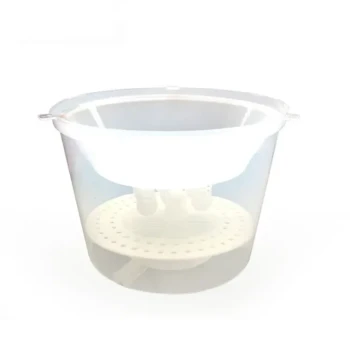
Pollen traps serve as precise mechanical filters installed at the entrance of a beehive. Their primary function is to intercept returning foraging bees and physically dislodge the pollen pellets carried on their hind legs, collecting the material in a separate tray while allowing the bees to enter the colony.
Core Takeaway Pollen traps are essential dual-purpose tools that convert natural foraging activity into measurable resources. They enable apiaries to harvest high-value bee pollen for commercial sale while simultaneously providing authentic biological samples for environmental monitoring and nutritional research.
The Mechanical Principle of Pollen Traps
Physical Interception
The core mechanism of a pollen trap is a grid or mesh barrier placed directly in the flight path of returning bees.
As bees navigate through this grid to enter the hive, the physical structure gently scrapes against their legs. This action dislodges the pollen pellets, causing them to fall into a collection box located beneath the entrance.
Precision Engineering via Aperture Size
Effective traps rely on precise dimensions to function correctly without harming the colony.
External traps often utilize a specific 5mm aperture. This diameter is critical because it is tight enough to strip corbicular pollen (pollen baskets) from the bees' legs, but wide enough to prevent physical injury to the insect.
Maintaining Hive Dynamics
Despite the obstruction, properly designed traps ensure the colony functions normally.
The grid design allows for necessary ventilation and the natural movement of bees entering and exiting. This ensures that the collection process does not induce stress or overheat the hive environment.
Critical Applications in Research and Commerce
Commercial Product Diversification
For beekeeping enterprises, pollen traps are vital production hardware.
They allow operations to diversify beyond honey and wax by harvesting bee pollen, a high-value commercial product. Because the trap intercepts the pollen immediately upon the bee's return, the resulting product is authentic and clean.
Environmental and Pesticide Monitoring
In scientific contexts, these traps serve as environmental sampling devices.
By collecting pollen loads, researchers obtain the raw materials necessary to monitor the presence of pesticides in the surrounding ecosystem. The trapped pollen provides a snapshot of chemical exposure within the bees' foraging range.
Botanical and Nutritional Analysis
Pollen traps provide reliable data for botanical identification.
Because the pollen is a direct product of natural foraging, it allows scientists to analyze the specific plant sources the colony is visiting. This data is essential for nutritional studies and understanding local floral diversity.
Understanding the Trade-offs
The Importance of Correct Sizing
The efficacy of a pollen trap is entirely dependent on the precision of its grid size.
If the aperture deviates from the optimal 5mm standard, the trap may fail to collect samples or, conversely, cause physical harm to the bees. Using improper hardware risks injuring the workforce or obstructing the ventilation required for colony survival.
Balancing Collection with Colony Needs
While traps are effective, they physically remove nutrition intended for the hive.
Beekeepers must recognize that the trap intercepts resources the bees gathered for their own consumption. Usage must be managed to ensure the colony retains enough pollen for its own brood rearing and nutritional health.
Making the Right Choice for Your Goal
Whether you are managing a commercial apiary or conducting field studies, the utility of the trap depends on your specific objective.
- If your primary focus is Commercial Production: Utilize traps to harvest high-value bee pollen to diversify your revenue stream, ensuring the hardware allows efficient separation of pellets without harming the bees.
- If your primary focus is Research and Monitoring: Deploy traps to gather authentic biological samples for chemical analysis, pesticide tracking, and botanical identification of local flora.
Pollen traps are the bridge that transforms biological foraging effort into accessible data and tangible commercial products.
Summary Table:
| Feature | Description | Importance |
|---|---|---|
| Mechanism | 5mm aperture grid that strips pollen from bee legs | Ensures efficient collection without injuring bees |
| Commercial Value | Harvests clean, authentic bee pollen pellets | Diversifies revenue beyond honey and wax |
| Research Use | Collects environmental biological samples | Enables pesticide monitoring and botanical analysis |
| Colony Safety | Built-in ventilation and precise spacing | Maintains hive temperature and worker bee health |
Maximize Your Apiary's Potential with HONESTBEE
At HONESTBEE, we specialize in empowering commercial apiaries and distributors with professional-grade beekeeping solutions. Whether you are looking to diversify your production with high-value bee pollen or require precision hardware for environmental research, our comprehensive wholesale portfolio has you covered.
How we add value to your business:
- Premium Hardware: From precision-engineered pollen traps to hive-making and honey-filling machinery.
- Full-Scale Supply: A complete spectrum of beekeeping tools, equipment, and essential industry consumables.
- Cultural Merchandise: Unique honey-themed merchandise to enhance your brand's market appeal.
Ready to scale your operations with industry-leading equipment? Contact us today to explore our wholesale offerings!
References
- Asmaa Fawzey, Sawsan El Mohandes. EFFECT OF FEEDING FOUR POLLEN TYPES ON SOME HONEYBEE CHARACTERS (Apis mellifera L.). DOI: 10.21608/jppp.2008.217773
This article is also based on technical information from HonestBee Knowledge Base .
Related Products
- Removable Plastic Pollen Trap With Ventilated Tray for Bees Pollen Collector
- 30 cm Plastic Entrance Hole Bee Pollen Trap and Collector
- Plastic Bee Pollen Trap Strips Comb Catcher Collector
- Black Plastic Beetle Barn Hive Beetle Trap for Beehives
- Reusable Clear Small Hive Beetle Traps for Beehives Beetle Trapping Tools
People Also Ask
- What are the design principles and advantages of pollen traps in the collection of bee pollen? Boost Your Apiary Yield
- What is the function of professional pollen traps in evaluating honey plants? Quantifying Pollination and Crop Potential
- What functions do pollen traps serve for bee bread production? Optimize Your Raw Material Collection
- What maintenance and pest prevention measures should be taken for pollen traps? Protect Your Hive and Harvest Quality
- How does the use of pollen traps in honeybee hives enhance crop fertilization? Boost Your Yield Through Induced Activity