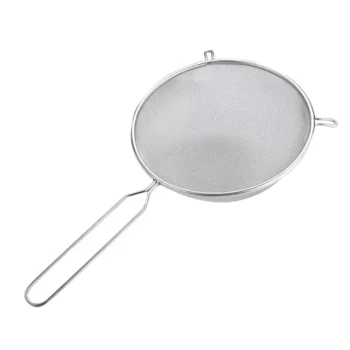
The primary function of a fine mesh filter in beeswax refining is the high-precision mechanical interception of minute residual impurities and debris. This final filtration step ensures the chemical homogeneity and physical clarity required for industrial-grade wax. By removing microscopic contaminants like cocoon remains and organic particles, the filter guarantees the wax meets the rigorous purity standards demanded by high-end manufacturing and commercial resale.
A fine mesh filter serves as the critical quality gatekeeper in the refining process, transforming raw melt into a high-purity industrial raw material. It ensures the physical stability and consistency necessary for applications ranging from pharmaceutical polishes to high-performance asphalt modifiers.
Ensuring Homogeneity and Market Value
Removing Microscopic Contaminants
Fine mesh filters, such as specialized fine-pored gauze or cheesecloth, capture small debris that survives initial coarse cleaning. This includes cocoon remains, bee parts, and minute organic particles that can cloud the wax or settle over time. Removing these solids is essential for achieving the color consistency and clarity that wholesalers and distributors require for premium market placement.
Protecting Chemical and Structural Integrity
For technical applications, purity is about more than just appearance; it is about chemical homogeneity. In the production of asphalt modifiers, fine filtration prevents impurities from disrupting the microscopic structure of the asphalt binder. This ensures the final product remains stable and performs predictably under mechanical stress.
Eliminating Matrix Interference
In high-precision chemical analysis or medical applications, even trace particles can cause matrix interference. Fine filtration ensures that recovered beeswax samples are clean and uniform, providing a stable medium for pharmaceutical polishes or cosmetic film-formers. This level of purity is a prerequisite for any business sourcing wax for regulated industries.
Maximizing Throughput with Multi-Stage Systems
The Benefit of Graded Interception
Professional refining setups often utilize a dual-layer system to balance purity with production speed. An 8-mesh coarse screen first intercepts large debris like wood chips and dead bees. This is immediately followed by an 18-mesh fine screen that captures the remaining suspended particles.
Preventing Equipment Downtime
Using a graded approach prevents the fine mesh from clogging prematurely, which is vital for maintaining rapid response times in a supply chain. By protecting the high-precision filters, refineries can maintain a steady flow of liquid wax. This efficiency allows for ultra-fast delivery of high-volume orders to B2B resellers.
Temperature-Controlled Refining
The effectiveness of a fine mesh filter is highly dependent on thermodynamic conditions. Refining equipment must maintain specific temperatures to keep the wax liquid enough to pass through the mesh without oxidative degradation. Proper temperature control ensures the wax retains its natural antibacterial properties and physical stability.
Understanding the Trade-offs
Maintenance and Consumable Costs
While fine mesh filters are essential for quality, they are critical consumables that require regular monitoring. Clogged filters can lead to pressure build-up in refining machinery or slow down production cycles significantly. Distributors must ensure their suppliers have a robust protocol for filter replacement to avoid supply chain bottlenecks.
Purity vs. Processing Time
The finer the mesh, the slower the filtration process becomes. Achieving ultra-high purity for medical or electronic applications may require multi-stage centrifugal separation in addition to mesh filtration. Balancing these factors is key to providing a comprehensive product portfolio that meets various price points and quality standards.
Choosing the Right Filtration Setup for Your Clients
Selecting the appropriate refining standard is essential for meeting the specific needs of your B2B customers.
- If your primary focus is Pharmaceutical or Cosmetic clients: Prioritize sourcing wax processed through multi-stage fine filtration to ensure the natural film-forming and antibacterial properties are preserved without contaminants.
- If your primary focus is Industrial or Aviation applications: Ensure the wax is filtered for maximum physical stability and insulation properties to meet the rigid demands of fine chemicals and electronics.
- If your primary focus is Beekeeping and Foundation Sheets: Opt for wax that has undergone standard graded filtration (8-mesh to 18-mesh) to ensure clean, attractive sheets that are free of organic debris.
By understanding the technical necessity of fine mesh filtration, you can better advise your clients and secure a reputation for providing the highest-quality beeswax in the market.
Summary Table:
| Filtration Stage | Mesh Type | Key Function |
|---|---|---|
| Initial Cleaning | 8-Mesh Coarse | Intercepts large debris like wood chips and bee parts |
| Refining Stage | 18-Mesh Fine | Removes microscopic organic particles and cocoon remains |
| Specialized Finishing | Fine Gauze/Cloth | Ensures color clarity and chemical homogeneity for high-end use |
Scale Your Business with HONESTBEE’s Wholesale Solutions
At HONESTBEE, we understand that purity and efficiency are the cornerstones of a successful beekeeping supply business. We cater specifically to commercial apiaries and B2B distributors, offering a one-stop sourcing experience for a comprehensive full-spectrum product portfolio.
Whether you need specialized hardware like hive-making and honey-filling machines, high-precision refining equipment, or essential industry consumables, we provide the tools to maximize your profit margins and operational reliability.
Why Partner with Us?
- Deep Industry Expertise: Professional guidance on OEM/ODM support and quality certifications.
- Rapid Fulfillment: Ultra-fast delivery and efficient order processing to keep your supply chain moving.
- Exceptional Service: Dedicated support to help you select the right tools and machinery for your target market.
Elevate your product offerings with high-performance equipment and premium consumables.
Contact HONESTBEE Today for a Wholesale Quote
References
- Nader Nciri, Namho Kim. From Hive to Highway: Waste Honeycombs as a Sustainable Modifier for Asphalt Binder Formulations in South Korea. DOI: 10.3390/ma16216934
This article is also based on technical information from HonestBee Knowledge Base .
Related Products
- Stainless Steel Triangle Support Honey Strainer and Filters
- Professional Stainless Steel Honey Filter with Support Handle
- Conical Nylon Honey Strainer Filter Bag for Beekeeping and Honey Filtration
- Nylon Honey Strainer Square Filter Cloth for Honey Filters
- Professional Honey Filter with Tripod Support Stand
People Also Ask
- Why is stainless steel preferred for honey strainers? Ensure Purity and Durability for Your Honey
- What are the selection criteria for stainless steel filtration equipment used to enhance honey purity? Pro B2B Guide
- What can I use to strain honey? A Beekeeper's Guide to Choosing the Right Filter
- What is the easiest way to strain honey? A Simple Guide for Hobbyist Beekeepers
- What is the primary function of a honey strainer in beekeeping? Achieve Commercial Purity & Visual Clarity