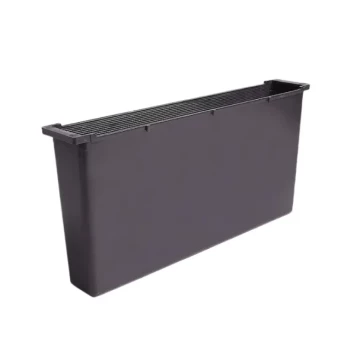
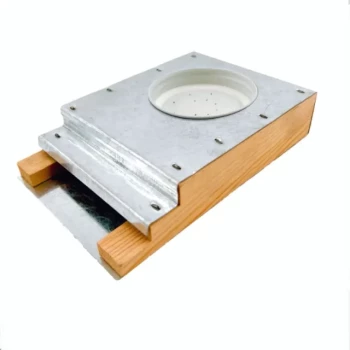
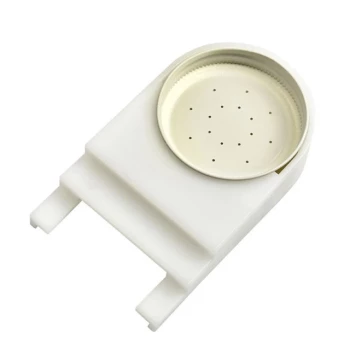
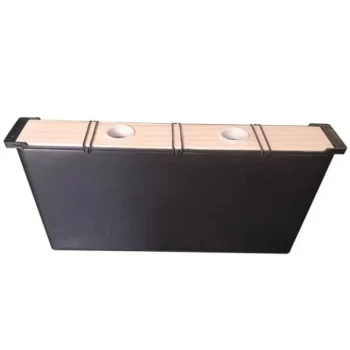
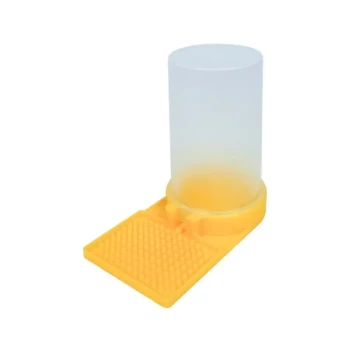
The primary function of a top box feeder during autumn management is to efficiently deliver high-concentration sucrose solutions—typically at a 2:1 ratio—to the colony. This process simulates a natural nectar source, enabling the bees to rapidly build the essential food reserves required to survive the winter.
Core Takeaway The top box feeder is a critical tool for establishing winter security; it provides the dense energy stores necessary for metabolic heat production and stabilizes the colony's gut microbiota before they enter the dormant overwintering period.
The Mechanics of Winter Preparation
Simulating Resource Abundance
In the weeks prior to overwintering, natural nectar sources often dwindle. The top box feeder bridges this gap by providing a steady supply of feed.
The Importance of Concentration
Unlike spring feeding, autumn feeding utilizes a 2:1 sucrose concentration. This high density mimics rich nectar, encouraging the bees to store the syrup immediately rather than consuming it for brood rearing.
Biological Impact on the Colony
Fueling Metabolic Heat
The reserves built via the top box feeder serve a singular, critical purpose: energy. As the temperature drops, the colony forms a cluster and consumes these stores to generate metabolic heat. Without adequate reserves, the bees cannot maintain the cluster temperature necessary for survival.
Stabilizing Gut Health
Beyond simple calories, the quality of autumn feed impacts bee physiology. Establishling these specific reserves helps create a stable internal environment for the initial gut microbiota. This stability is vital for maintaining bee health as they transition into the overwintering phase.
Understanding the Trade-offs
Context is Critical
A top feeder is a versatile tool, but its contents must match the season. While supplementary sources note that feeders can dispense a 1:1 honey and pollen mixture for royal jelly production, this is a separate management strategy.
Protein vs. Energy
The 1:1 mixture stimulates hypopharyngeal glands for brood and jelly production. However, strictly for overwintering, the priority is energy storage (sucrose), not protein stimulation. Confusing these feed ratios can stimulate late-season brood rearing, which is often detrimental to winter survival.
Making the Right Choice for Your Goal
To ensure your colony is prepared for the specific challenges ahead, apply the following feeding strategies:
- If your primary focus is Overwintering Survival: Utilize a 2:1 sucrose solution in the top feeder to maximize energy stores for heat production and gut stability.
- If your primary focus is Royal Jelly Production: Switch to a 1:1 mixture of honey and bee pollen to stimulate nurse bee gland development and maximize jelly volume.
Successful winter management relies not just on feeding, but on providing the specific fuel the colony needs to generate heat and maintain health in a flightless environment.
Summary Table:
| Feeding Goal | Recommended Ratio | Primary Benefit |
|---|---|---|
| Overwintering Survival | 2:1 Sucrose Solution | Rapid energy storage & metabolic heat production |
| Royal Jelly Production | 1:1 Honey & Pollen | Stimulates hypopharyngeal glands for brood rearing |
| Gut Health Management | High-Concentration Feed | Stabilizes microbiota for the dormant winter period |
Maximize Your Colony’s Potential with HONESTBEE
Ensure your apiary's success this season with professional-grade solutions from HONESTBEE. Whether you are a commercial apiary manager or a distributor, we provide the full spectrum of equipment needed for success, from high-efficiency top box feeders and hive-making machinery to advanced honey-filling systems.
Our comprehensive wholesale portfolio is designed to enhance efficiency and survival rates. Beyond hardware, we offer essential industry consumables and honey-themed cultural merchandise to help you grow your brand.
Ready to scale your beekeeping operations? Contact us today to access our premium wholesale catalog and expert support!
References
- Naomie Bleau, Nicolas Derôme. Dynamics of the Honeybee (Apis mellifera) Gut Microbiota Throughout the Overwintering Period in Canada. DOI: 10.3390/microorganisms8081146
This article is also based on technical information from HonestBee Knowledge Base .
Related Products
- HONESTBEE Professional Hive Top Bee Feeder Feeding Solution
- Professional Hive Top Bee Feeder for Beekeeping
- HONESTBEE Square Top Hive Bee Feeder Top Bee Feeder
- HONESTBEE Round Hive Top Bee Feeder for Syrup
- Rapid Bee Feeder White Plastic 2L Round Top Feeder for 8 or 10-Frame Bee Hives
People Also Ask
- How does a bee hive top feeder work? A Guide to Efficient, Protected Feeding
- Do I need an inner cover with a hive top feeder? Optimize Your Hive Setup for Healthy Bees
- What is a hive top feeder? A Guide to Efficient, Low-Stress Beekeeping
- What is a hive top feeder, and how does it work? A Complete Guide to Efficient In-Hive Feeding
- What are the characteristics, advantages, and disadvantages of hive top feeders? Optimize Your High-Volume Feeding