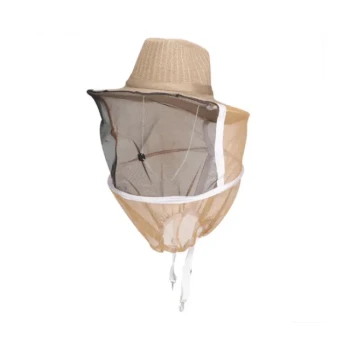
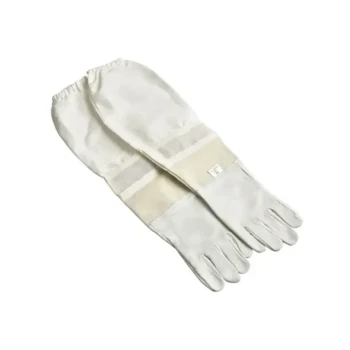
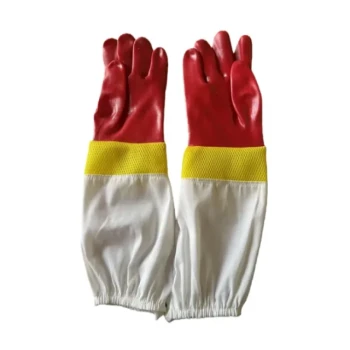
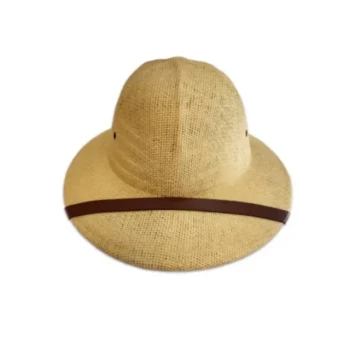
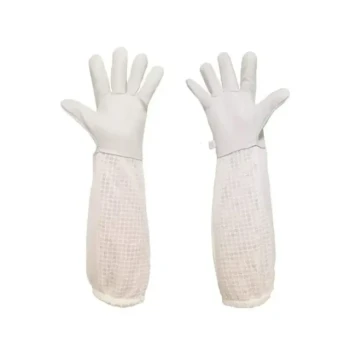
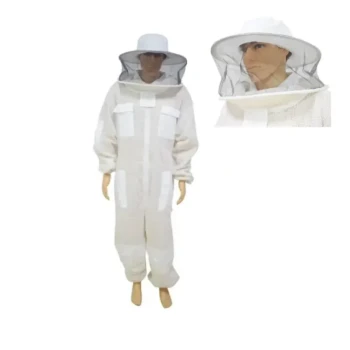
The primary function of beekeeping protective equipment is to serve as a robust physical barrier that significantly reduces the risk of stings during colony inspections and harvesting. By effectively shielding the operator, tools such as bee suits, veils, and gloves ensure personal safety and enable the consistent, efficient execution of routine apiary management tasks.
While the immediate utility of protective gear is injury prevention, its operational value lies in stabilizing the workflow. By eliminating the distraction of defensive bee behavior, high-standard equipment empowers beekeepers to perform the precise, frequent, and scientific management techniques necessary for a thriving apiary.
The Operational Impact of Protection
Enhancing Operator Confidence
The most critical byproduct of effective protection is psychological rather than physical. When an operator is confident that their suit and gloves provide a reliable barrier, anxiety levels drop significantly.
This reduction in operator anxiety prevents rushed movements. A calm beekeeper handles frames with steady hands, reducing accidental crushing of bees and minimizing sudden vibrations that trigger defensive swarming responses.
Enabling Precision and Thoroughness
Without adequate protection, the natural human instinct is to finish the job as quickly as possible to avoid stings. This often leads to superficial inspections where subtle signs of disease or queen issues are missed.
Protective equipment removes this time pressure. It allows the operator to perform deep, detailed inspections, such as locating the queen, identifying early-stage brood diseases, or performing delicate colony splitting operations.
Facilitating Advanced Management
Ensuring Continuity of Care
Modern apiary management relies on a schedule of frequent monitoring. In regions with defensive bee species, these schedules can be easily disrupted if the beekeeper fears the interaction.
Protective gear acts as a prerequisite for consistent application of management techniques. It ensures that necessary tasks—such as pest control application and health monitoring—occur on schedule regardless of the colony's temperament.
Minimizing Colony Stress
There is a direct link between the operator's safety and the colony's stress levels. When a beekeeper works calmly and deliberately, supported by protective gear, the "alarm pheromone" response from the hive is minimized.
This creates a positive feedback loop: the gear protects the human, the human remains calm, the bees remain calmer, and the inspection disrupts the natural biological activities of the hive as little as possible.
Understanding the Trade-offs
The Balance of Sensitivity vs. Safety
While protection is essential, it introduces specific operational limitations. Thick leather gloves, often used for maximum sting prevention, significantly reduce tactile sensitivity.
This loss of dexterity can make it difficult to handle fragile frames or catch queens without causing injury. Beekeepers must often balance the need for impenetrable protection against the need for fine motor control.
Visibility and Ventilation Challenges
High-security veils and thick suits provide excellent barriers but can obscure vision and trap body heat.
In hot climates, the heat stress caused by heavy protective gear can limit the duration of work shifts. Furthermore, mesh that is woven too tightly to prevent stings may reduce airflow and visibility, potentially leading to errors during detailed visual inspections of eggs or larvae.
Making the Right Choice for Your Apiary
To select the appropriate level of protection, you must assess your specific management goals and the temperament of your apiary.
- If your primary focus is managing defensive species: Prioritize suits with high puncture resistance and thick gloves to maintain confidence during aggressive defensive events.
- If your primary focus is delicate operations (e.g., Queen Rearing): Prioritize thinner, specialized gloves and high-visibility veils to ensure maximum dexterity and visual clarity, even at the cost of slight exposure.
- If your primary focus is large-scale harvesting: Prioritize full-body ventilation and durability to prevent heat fatigue during long hours of physical labor.
Protective equipment is not merely a safety accessory; it is a fundamental infrastructure tool that dictates the quality, frequency, and precision of your colony management.
Summary Table:
| Feature | Primary Benefit | Operational Impact |
|---|---|---|
| Physical Barrier | Prevents bee stings | Reduces operator anxiety and ensures safety |
| Confidence Boost | Steady movements | Minimizes colony agitation and alarm pheromones |
| Deep Inspection | Precision focus | Allows for thorough disease and queen checks |
| Tactile Design | Dexterity control | Enables delicate tasks like queen rearing |
| Ventilation | Heat management | Extends work duration during large-scale harvesting |
Elevate Your Apiary Management with HONESTBEE
At HONESTBEE, we understand that high-quality protective gear is the foundation of a productive commercial apiary. We provide professional-grade bee suits, gloves, and a comprehensive range of beekeeping machinery and tools designed to meet the rigorous demands of large-scale operations and global distributors.
Whether you need specialized hive-making equipment, honey-filling machines, or essential consumables, our wholesale portfolio is built to scale your business and protect your workforce. Partner with HONESTBEE today to secure reliable equipment and industry-leading support for your beekeeping enterprise.
References
- Deborah Ruth Amulen, Paul Cross. The buzz about bees and poverty alleviation: Identifying drivers and barriers of beekeeping in sub-Saharan Africa. DOI: 10.1371/journal.pone.0172820
This article is also based on technical information from HonestBee Knowledge Base .
Related Products
- Premium Cowboy Beekeeper Hat with Visibility Veil Outdoor Professional Beekeeping Protective Gear
- White Cotton Beekeeping Jacket and Veil for Bee Keepers
- Beekeeping Jacket with Hood and Veil for Beekeepers
- Premium Cotton Beekeeper Suit with Reinforced Fencing Veil
- Beekeeping Gloves Goatskin Leather with Long Cotton Sleeve for Beekeepers
People Also Ask
- What design features contribute to the stability and fit of the beekeeper hat? Key Features for Maximum Hive Safety
- How is the beekeeper hat designed for comfort and practicality? Explore Key Features for Enhanced Apiary Safety
- What is the general protective gear recommendation for new beekeepers? Your Essential Beginner's Safety Guide
- How does beekeeping protective gear facilitate the queen bee selection process? Enhancing Precision in Queen Breeding
- What should beekeepers consider when choosing protective gear? A Guide for Maximum Safety & Comfort