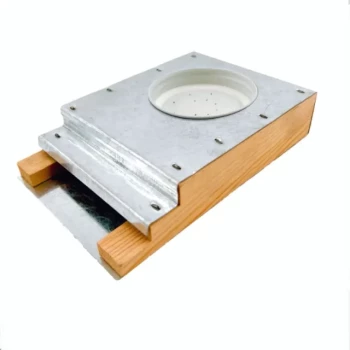
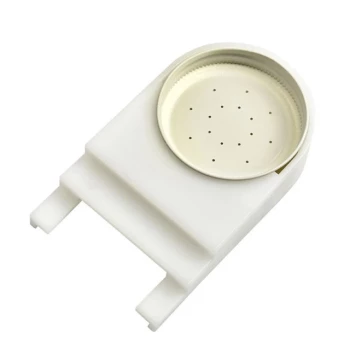
The primary function of a Miller feeder in honeybee research is to establish a controlled, standardized method for the daily administration of liquid nutritional supplements. These devices are essential for delivering vitamin-enriched sugar syrups consistently to every member of the colony. By utilizing this specific feeder type, researchers ensure that the dosage remains constant while simultaneously eliminating confounding variables such as bee drowning and environmental contamination.
In nutritional intervention experiments, scientific validity relies on isolating the variable of interest. Miller feeders serve as a standardized administration route, ensuring that observed changes in colony health are the direct result of the specific nutrients provided, rather than inconsistent dosing or external impurities.
The Mechanics of Controlled Administration
Ensuring Consistent Dosage
In a research setting, it is critical that the entire colony receives a precise amount of the intervention. Miller feeders are designed to facilitate the controlled daily administration of supplements. This ensures that the nutritional intake is uniform across the population, allowing for accurate assessment of the supplement's impact.
Preventing Subject Mortality
A common failure point in liquid feeding is the loss of test subjects due to drowning. Miller feeders are engineered to mitigate this risk entirely. They provide safe access to the liquid supplement, ensuring bees can feed without becoming submerged, which preserves the population size throughout the experiment.
Maintaining Supplement Purity
External variables can compromise the chemical integrity of a nutritional study. By utilizing a design that minimizes the risk of external contamination, Miller feeders protect the liquid syrup from environmental debris or pests. This isolation ensures that the bees are consuming exactly what the researcher intended, without alteration.
Operational Considerations and Constraints
Requirement for Liquid Formulations
It is important to note that Miller feeders are specifically utilized for liquid supplements, such as sugar syrups enriched with vitamins. They are the ideal choice for fluid-based interventions but are not suitable for delivering solid protein patties or dry pollen substitutes.
The Demand for Daily Protocol
The primary utility of this tool lies in "controlled daily administration." This implies a high-touch research protocol. Unlike bulk feeding methods intended for long-term overwintering, the use of Miller feeders in this context suggests a need for active, daily management to maintain the strict dosage controls required for experimental validity.
Optimizing Your Research Protocol
To ensure your nutritional study yields robust data, select your equipment based on your specific experimental variables.
- If your primary focus is Standardization: Implement Miller feeders to guarantee that every colony member receives a consistent, controlled daily dosage of the nutrient solution.
- If your primary focus is Sample Purity: Rely on this feeder design to isolate your liquid supplements from environmental contaminants that could skew chemical analysis.
By rigidly controlling the method of delivery, Miller feeders turn standard hive maintenance into a precise scientific instrument.
Summary Table:
| Feature | Research Benefit | Application in Study |
|---|---|---|
| Controlled Dosage | Ensures uniform intake across the colony | Daily liquid vitamin/syrup administration |
| Anti-Drowning Design | Maintains population size and sample integrity | Reducing subject mortality during feeding |
| Contamination Control | Protects chemical purity of the supplement | Preventing external debris/pest interference |
| Formulation Support | Optimized for fluid-based interventions | Liquid sugar syrups and enriched solutions |
Elevate Your Commercial Apiary with HONESTBEE Precision Tools
At HONESTBEE, we understand that scientific precision and operational efficiency are the backbones of successful commercial beekeeping and distribution. Whether you are conducting nutritional research or scaling honey production, we provide the comprehensive wholesale solutions you need.
Our extensive portfolio includes:
- Advanced Machinery: From hive-making to high-speed honey-filling machines.
- Professional Hardware: Specialized feeders, beekeeping tools, and durable equipment.
- Industry Consumables: A wide array of essentials to keep your colonies thriving.
- Cultural Merchandise: Unique honey-themed products for your brand portfolio.
Ready to optimize your operations with professional-grade equipment? Contact HONESTBEE today to discuss our wholesale offerings and discover how our expertise can drive value for your business.
References
- Nemanja M. Jovanović, Zoran Stanimirović. A Field Trial to Demonstrate the Potential of a Vitamin B Diet Supplement in Reducing Oxidative Stress and Improving Hygienic and Grooming Behaviors in Honey Bees. DOI: 10.3390/insects16010036
This article is also based on technical information from HonestBee Knowledge Base .
Related Products
- Boardman Entrance Bee Feeder Durable Galvanized Steel and Wood Construction for Beekeeping
- Rapid Bee Feeder White Plastic 2L Round Top Feeder for 8 or 10-Frame Bee Hives
- Classic Boardman Entrance Bee Feeder Hive Front Feeding Solution
- 3.5L Plastic Beehive Frame Feeder Deep Frame Water Feeder for In Hive Use
- HONESTBEE Entrance Bee Feeder Efficient Hive Front Liquid Feeding Solution for Beekeeping
People Also Ask
- What types of bee feeders are available for beginners? Start with the Simple Entrance Feeder
- How does a bee entrance feeder work? A Simple Guide to Convenient Hive Feeding
- What is a bee entrance feeder and what are its drawbacks? Essential Guide to Hive Security and Feeding Efficiency
- What are the advantages and disadvantages of using an entrance feeder for bees? Balance Convenience and Hive Security.
- How to make an entrance feeder for bees? A DIY Guide for Safe & Effective Feeding