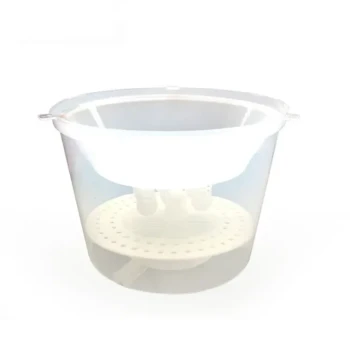
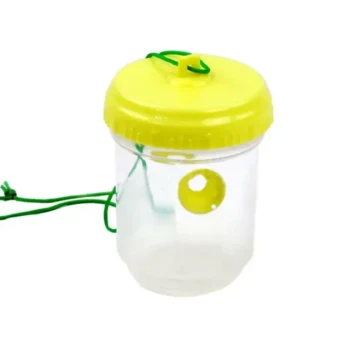
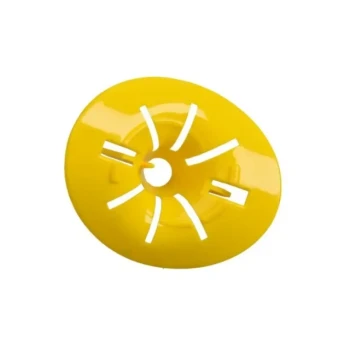
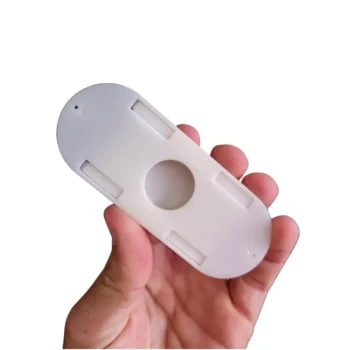
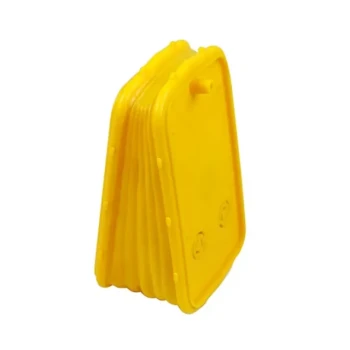
The primary function of plastic pollen traps in nectar source surveys is to serve as an automated data collection instrument that replaces manual fieldwork. Installed directly at the bee hive entrance, these devices utilize separation grids to physically strip pollen loads from returning foragers, allowing for the precise identification of plant species and the calculation of nectar source contribution ratios within a specific geographic area.
These traps transform the labor-intensive process of field observation into an efficient, automated workflow. By physically collecting pollen samples, they provide concrete data on plant composition and nectar source ratios without the need for human monitoring in the field.
The Mechanics of Automated Surveying
Leveraging Separation Grids
The core mechanism of the plastic pollen trap is the separation grid.
This grid is designed to intercept bees as they return to the hive, physically dislodging the pollen pellets they carry on their legs.
Strategic Placement
The devices are installed specifically at the hive entrance.
This positioning ensures that every returning forager must pass through the device, creating a comprehensive sample set of the colony's foraging activity.
Analytical Capabilities
Identifying Specific Species
Unlike visual estimates, pollen traps allow for the rigorous identification of specific plant species.
By collecting the physical biological material, researchers can analyze the pollen to determine exactly which plants the bees are visiting.
Determining Composition and Ratios
The data collected goes beyond simple identification; it quantifies the composition of nectar sources.
Researchers can calculate specific contribution ratios, understanding not just what is blooming, but which plants are providing the most significant resources to the hive within that geographic area.
Operational Trade-offs
Equipment Dependence vs. Human Labor
The primary trade-off discussed is the shift from human labor to device dependence.
While you eliminate the high cost and fatigue associated with labor-intensive manual field observations, you accept a dependency on the proper installation and functioning of the mechanical trap to gather data.
Making the Right Choice for Your Survey
If you are planning a nectar source survey, consider your primary constraints:
- If your primary focus is Data Accuracy: These traps provide physical samples that allow for precise species identification and ratio calculation, superior to visual estimation.
- If your primary focus is Operational Efficiency: The automated nature of these traps allows you to survey a geographic area without deploying personnel for manual field observations.
By utilizing plastic pollen traps, you effectively swap the variability of manual observation for the consistency of automated biological sampling.
Summary Table:
| Feature | Manual Field Observation | Plastic Pollen Trap Survey |
|---|---|---|
| Data Collection | Visual estimation & field notes | Automated physical sampling |
| Accuracy | Subjective / Human error | Objective / Precise species ID |
| Labor Intensity | High (Requires field personnel) | Low (Mechanical dependency) |
| Analysis Type | General bloom observation | Quantitative contribution ratios |
| Main Component | Observation & Manual records | Entrance-mounted separation grid |
Optimize Your Apiary with HONESTBEE Precision Tools
At HONESTBEE, we understand the needs of commercial apiaries and distributors. Whether you are conducting nectar source surveys or scaling up production, we provide a full spectrum of professional beekeeping machinery, tools, and consumables.
From plastic pollen traps to automated honey-filling machines and hive-making hardware, our wholesale solutions are designed to enhance your operational efficiency and data accuracy.
Ready to elevate your beekeeping business? Contact us today to explore our comprehensive portfolio and see how our industry-leading equipment can drive your success.
References
- Vasilios Liolios, Chrysoula Tananaki. A Comparative Study of Methods Recording Beekeeping Flora. DOI: 10.3390/f14081677
This article is also based on technical information from HonestBee Knowledge Base .
Related Products
- Removable Plastic Pollen Trap With Ventilated Tray for Bees Pollen Collector
- 30 cm Plastic Entrance Hole Bee Pollen Trap and Collector
- Plastic Bee Pollen Trap Strips Comb Catcher Collector
- Plastic Beetle Blaster Trap Beekeeping Tools and Supplies
- Black Plastic Beetle Barn Hive Beetle Trap for Beehives
People Also Ask
- What are the design principles and advantages of pollen traps in the collection of bee pollen? Boost Your Apiary Yield
- What is the function of professional pollen traps in evaluating honey plants? Quantifying Pollination and Crop Potential
- What functions do pollen traps serve for bee bread production? Optimize Your Raw Material Collection
- What maintenance and pest prevention measures should be taken for pollen traps? Protect Your Hive and Harvest Quality
- How does the use of pollen traps in honeybee hives enhance crop fertilization? Boost Your Yield Through Induced Activity