Professional bee protection medicines serve as the biological firewall for modern apiaries. Their primary function is to act as the core defense against pathogens, specifically inhibiting the reproduction of parasites like Varroa mites and combatting fungal infections to prevent colony collapse.
Core Takeaway Modern beekeeping faces altered pathogen transmission cycles driven by climate change. Professional formulations provide the necessary, targeted intervention to maintain colony immunity and prevent systemic failure where traditional methods may fall short.
The Strategic Role of Formulations in Modern Apiculture
Combatting Climate-Driven Threats
The environment in which bees operate is shifting. Climate change is actively altering the transmission cycles of various bee diseases.
As weather patterns become more erratic, the frequency of pathogen exposure increases. Professional medicines are designed to stabilize colony health against these unpredictable environmental variables.
Targeting Varroa Mites
The Varroa mite remains one of the most significant threats to colony viability.
Modern formulations utilize targeted chemical or biological agents. These are engineered specifically to inhibit the reproduction of these mites, breaking their life cycle before they can overwhelm the hive.
Managing Fungal Diseases
Beyond parasites, colonies face fungal threats such as chalkbrood.
Professional medicines provide a distinct mechanism to control these fungal outbreaks. By suppressing the pathogen, these formulations prevent the spread of spores that can decimate the brood.
Mechanism of Action: Preserving Immunity
Inhibiting Parasite Reproduction
The efficacy of these medicines lies in their ability to disrupt the reproductive capabilities of pests.
Rather than simply repelling pests, targeted formulations work to reduce the population density of parasites within the hive. This reduces the biological load on the bees.
Preventing Colony Collapse
The ultimate goal of these interventions is to prevent colony collapse.
When parasites and fungi are left unchecked, they weaken the collective immunity of the hive. Medicines intervene to maintain immune strength, ensuring the colony survives the season.
Understanding the Trade-offs
The Requirement for Specificity
Modern formulations are described as "targeted" for a reason.
Broad-spectrum approaches are often insufficient against the specific biological mechanisms of Varroa or chalkbrood. The trade-off is that beekeepers must correctly identify the specific pathogen to select the appropriate chemical or biological formulation.
Dependence on External Intervention
Unlike wild colonies which adapt slowly over generations, modern apiculture relies on these formulations to bridge the gap caused by rapid environmental changes.
This creates a reliance on technical intervention. Without the precise application of these medicines, the artificially high density of managed colonies combined with climate stress would likely lead to rapid failure.
Making the Right Choice for Your Goal
To effectively utilize professional bee protection medicines, consider your specific management objectives:
- If your primary focus is Pest Eradication: Prioritize targeted chemical or biological formulations that specifically inhibit the reproduction cycles of Varroa mites.
- If your primary focus is Colony Resilience: Focus on preventative treatments that bolster immunity against fungal diseases like chalkbrood, especially during periods of climate instability.
Successful apiculture today requires viewing medicines not as emergency cures, but as essential infrastructure for colony stability.
Summary Table:
| Pathogen Type | Primary Threat | Mechanism of Action | Main Goal |
|---|---|---|---|
| Parasites | Varroa Mites | Inhibits reproduction cycles | Break pest life cycles |
| Fungal Infections | Chalkbrood | Suppresses spore development | Prevent brood decimation |
| Environmental | Climate Stress | Bolsters colony immunity | Prevent systemic collapse |
Secure the Future of Your Apiaries with HONESTBEE
Modern beekeeping demands precision. As a dedicated partner to commercial apiaries and global distributors, HONESTBEE provides the professional-grade infrastructure you need to thrive. Beyond our targeted bee protection medicines and formulations, we offer a comprehensive wholesale catalog including:
- Beekeeping Machinery: Advanced hive-making and honey-filling machines.
- Professional Tools: A full spectrum of equipment for large-scale management.
- Essential Consumables: High-quality supplies for every stage of production.
- Cultural Merchandise: Unique honey-themed retail products.
Whether you are scaling your commercial operations or supplying the next generation of beekeepers, our expert team is ready to deliver the tools and expertise you require.
Contact HONESTBEE Today to Discuss Wholesale Opportunities
References
- С.В. Митрофанов, L.N. Savushkina. Analysis of the impact of global climate change on the sustainability of beekeeping. DOI: 10.31677/2072-6724-2024-70-1-219-229
This article is also based on technical information from HonestBee Knowledge Base .
Related Products
- Compact Circular Bee Mite Treatment Dispenser
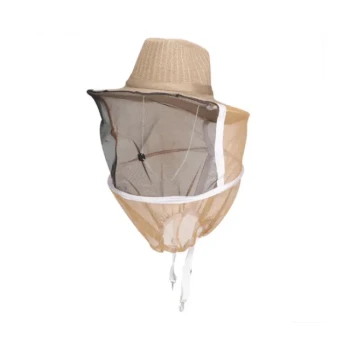
- Premium Cowboy Beekeeper Hat with Visibility Veil Outdoor Professional Beekeeping Protective Gear
- Professional Square Folding Wire Mesh Beekeeping Veil
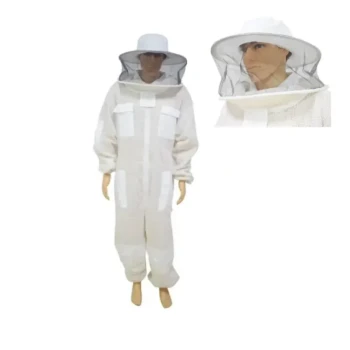
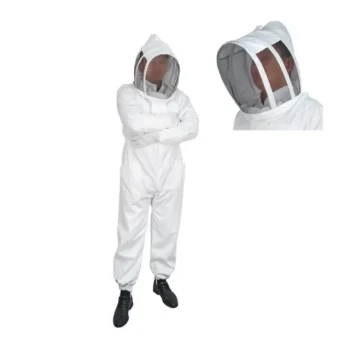
- Professional Beekeeper Suit with Square Folding Cotton Veil
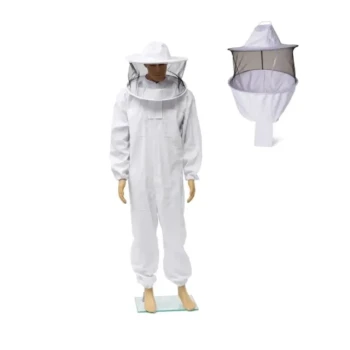
- Professional Cotton Beekeeper Suit with Round Veil Design for Commercial Apiaries
People Also Ask
- What is the function of specialized prevention consumables? Protect Hives from Varroa Mites & European Foulbrood
- What is the function of specialized application devices for Varroa? Precision Control for Healthier Bee Colonies
- What technical factors influence chemical Varroa treatments? Optimize Your Hive Health with Precise Timing
- What is the primary purpose of organic acids and synthetic acaricides in honeybee colony management? Varroa Control Guide
- How do different application forms of oxalic acid or formic acid affect Varroa mite treatments? Maximize Your Hive Efficacy