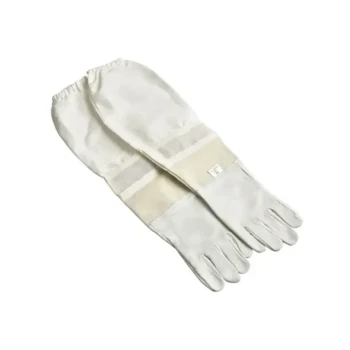
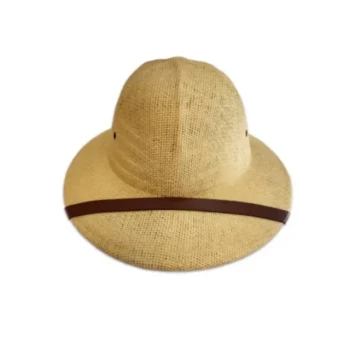
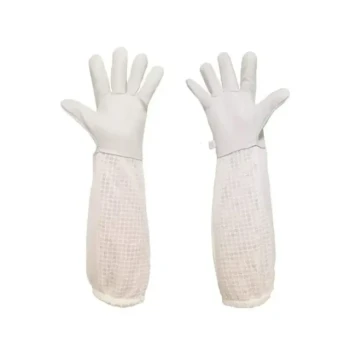
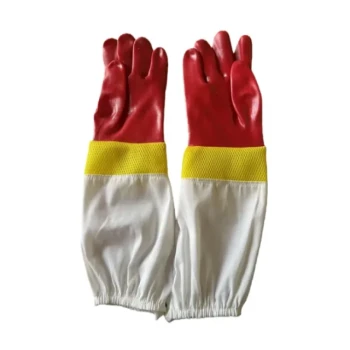
The primary purpose of protective clothing in beekeeping is to provide a physical shield against stings while ensuring the operator retains the comfort and mobility needed for hive management. This gear creates a defensive barrier between the beekeeper and defensive bees, allowing for safe interaction with the colony. By mitigating the immediate physical risk of stings, it transforms a potentially hazardous task into a manageable routine.
While injury prevention is the obvious function, the true operational value of protective gear is confidence. High-quality equipment eliminates the distraction of fear, allowing the beekeeper to focus entirely on precise, non-destructive hive maintenance and inspection.
Beyond Protection: The Operational Impact
Facilitating Detailed Inspections
Protective clothing is not just about armor; it is an enabler of work. Professional-grade gear allows beekeepers to work closely with colonies for extended periods without interruption.
This security permits deep, detailed inspections that are impossible if the operator is rushing to avoid being stung.
Preventing Destructive Harvesting
Fear often leads to haste, and haste leads to mistakes. When a beekeeper is properly protected, they can employ precise harvesting techniques rather than rushing the process.
This precision prevents the use of destructive harvesting methods, thereby protecting the colony's structure and improving the overall quality of the honey.
Psychological Security and Focus
The "Deep Need" for protective clothing is the reduction of anxiety. For beginners especially, the fear of painful stings can be a major distraction.
By minimizing this risk, the clothing allows the beekeeper to concentrate fully on the behavior of the bees and the task at hand, making the experience less stressful and more educational.
Biosecurity and Hygiene
There is a secondary, often overlooked purpose to this equipment: hygiene. Clean protective clothing acts as a sanitary barrier for the apiary.
Using dedicated gear helps prevent the introduction of outside dirt, contaminants, or pathogens that could compromise the health of the bees or the purity of the honey.
Essential Construction Features
The Physical Barrier System
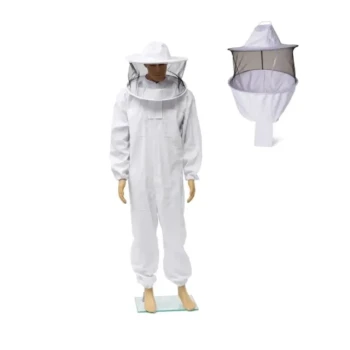
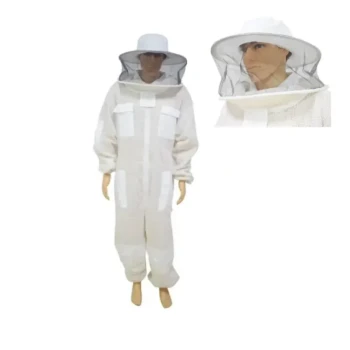
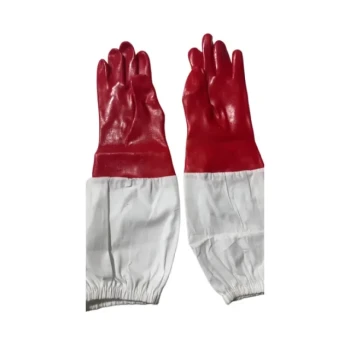
To be effective, the "shield" must be comprehensive. The system relies on a combination of a veil to protect the eyes and face, a suit or jacket for the torso, and gloves and boots for the extremities.
Durability and Seal Integrity
Design quality dictates the effectiveness of the protection. A reliable suit must feature double-stitched seams for durability and strong elastic around wrists and ankles.
These tight seals are critical; they prevent bees from crawling inside the clothing, turning a protective measure into a trap.
Understanding the Trade-offs: Mobility vs. Coverage
Full Suits vs. Jackets
The most common trade-off in beekeeping gear is choosing between a full suit and a jacket. A full suit offers total body protection from head to toe, maximizing safety.
However, jackets offer greater ventilation and ease of wear but leave the legs exposed. This choice largely depends on the beekeeper's tolerance for risk and the specific temperament of their hives.
The Experience Curve
It is common for new beekeepers to over-index on protection, starting with full suits. As they gain experience and learn to read bee behavior, many transition to jackets for increased comfort and agility.
While the jacket offers less coverage, the experienced beekeeper compensates for this reduced protection with calmer, more predictable handling techniques.
Making the Right Choice for Your Goal
Selecting the right gear requires balancing your experience level with your operational needs.
- If your primary focus is maximum safety (or you are a beginner): Prioritize a full body suit with tight elastic seals to eliminate anxiety and ensure total protection.
- If your primary focus is agility and ventilation: Opt for a high-quality jacket with a veil, which allows for easier movement and cooling during hot weather inspections.
- If your primary focus is longevity and hygiene: Select gear made from durable, machine-washable materials that can withstand frequent cleaning without losing structural integrity.
The right protective clothing empowers you to work with your bees, rather than in fear of them.
Summary Table:
| Feature | Primary Purpose | Key Benefit |
|---|---|---|
| Physical Barrier | Shields against stings | Ensures operator safety and reduces physical risk. |
| Psychological Security | Eliminates the distraction of fear | Allows for calm, precise, and non-destructive maintenance. |
| Seal Integrity | Prevents bees from entering gear | Secure elastic wrists and ankles ensure no bees crawl inside. |
| Biosecurity | Acts as a sanitary barrier | Prevents the introduction of contaminants and pathogens. |
| Ventilation/Agility | Balances comfort and coverage | Facilitates extended work periods in various climates. |
Scale Your Apiary Operations with HONESTBEE
At HONESTBEE, we understand that professional beekeeping requires the perfect balance of protection and performance. We cater specifically to commercial apiaries and distributors, providing a comprehensive wholesale selection of premium beekeeping tools, machinery, and safety equipment.
Whether you need durable protective suits to ensure operator confidence or specialized honey-filling and hive-making machinery to streamline your production, our portfolio is designed to enhance your efficiency and yield. Partner with us to access high-quality industry consumables and honey-themed cultural merchandise that set your brand apart.
Ready to elevate your wholesale supply chain?
Contact us today to discuss your bulk requirements!
Related Products
- White Cotton Beekeeping Jacket and Veil for Bee Keepers
- Premium Cotton Beekeeper Suit with Reinforced Fencing Veil
- Professional Square Folding Wire Mesh Beekeeping Veil
- Premium Cowboy Beekeeper Hat with Visibility Veil Outdoor Professional Beekeeping Protective Gear
- Beekeeping Gloves Goatskin Leather with Long Cotton Sleeve for Beekeepers
People Also Ask
- What are the features of an economical beekeeping jacket? Essential Protection for Budget-Conscious Beekeepers
- What are the pros of using a beekeeping jacket? Unlock Superior Comfort and Mobility for Your Apiary
- What factors should a new beekeeper consider when choosing between a jacket and a full suit? Security vs. Comfort
- What are the advantages of a beekeeping jacket? Superior Mobility & Comfort for Routine Hive Inspections
- When is a beekeeping jacket considered a more suitable choice than a full suit? Optimize Your Apiary Mobility