The proper procedure for donning beekeeping protective gear involves a systematic bottom-up approach to ensure a sting-proof seal. It begins with securing thick, elastic-cuffed pants into sturdy, ankle-high or knee-high boots, followed by a loose-fitting jacket or shirt tucked into the waist, and concludes with a hat and veil assembly that is tightly fastened at the neck and wrists with gloves overlapping the sleeves.
To ensure maximum safety, beekeeping gear must be applied in a specific sequence that eliminates entry points for bees. For professional distributors, offering a full-spectrum portfolio of gear that facilitates this "zero-gap" protocol is essential for maintaining high safety standards for end-users.
Establishing a Secure Base: Lower Body Protection
Securing the Ankle Seal
Protection begins at the ground level, as bees often crawl upward from the grass. Wear thick sweatpants or professional trousers and secure them firmly at the ankles with elastic bands or clips.
Integrating Footwear
Tuck the secured pant legs into sturdy, ankle-high or knee-high boots. This double-layer approach prevents bees from entering the suit at the most common point of failure.
Torso and Upper Body Integration
Selecting and Tucking the Shirt
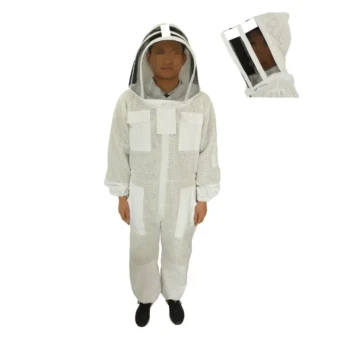
A loose-fitting beekeeping shirt or jacket should be worn over the pants to provide a buffer between the fabric and the skin. This garment must be tucked securely into the waist of the pants to prevent any upward entry.
Managing Sleeve and Waist Fasteners
Ensure that the waist of the jacket is tightened via elastic or velcro tabs. For professional-grade gear, these fasteners must be durable enough to withstand frequent use and maintain a tensioned seal throughout the day.
Critical Head and Neck Sealing
Positioning the Hat and Veil
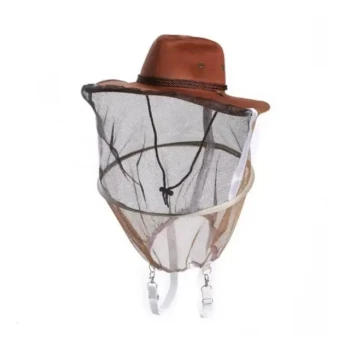
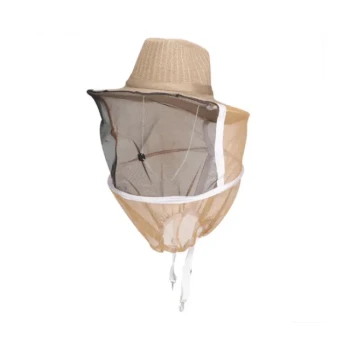
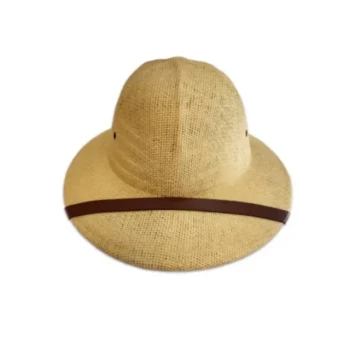
The hat and veil assembly is the most vital component for facial protection. Position the veil so it sits away from the face, ensuring the mesh does not touch the skin where a bee could sting through.
Finalizing the Neck Fasteners
Tuck the bottom of the veil under the shirt collar or secure it to the jacket’s integrated zipper system. All velcro, drawstrings, or elastic fasteners must be tightened at the neck and wrists to eliminate gaps.
Final Assembly and Inspection
Overlapping the Gloves
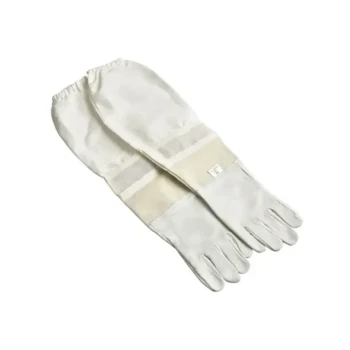
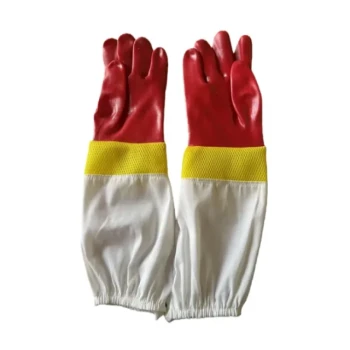
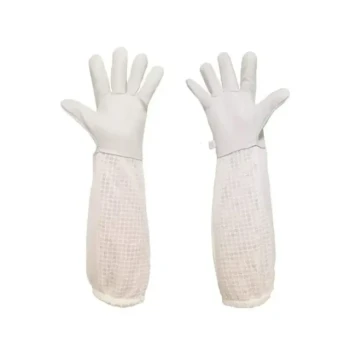
Protective gloves should be the final item donned, pulled over the hands and extended to overlap the shirt sleeves. This creates a continuous barrier from the fingertips to the shoulders.
The Post-Donning Safety Check
Before approaching the hive, have a partner inspect all zippers and folds. This ensures no gaps were missed and that the gear allows for the freedom of movement required for professional apiary work.
Understanding the Trade-offs
Full Suits vs. Jackets
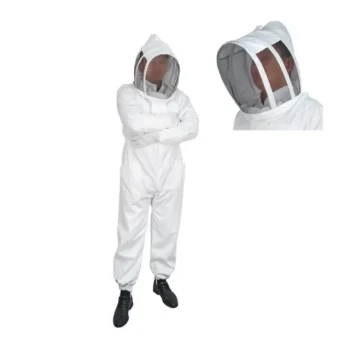
A full beekeeping suit offers the most extensive coverage and is highly recommended for new beekeepers or aggressive colonies. However, a jacket paired with loose-fitting jeans or scrubs offers better mobility and is often preferred by experienced professionals in high-heat environments.
Protection vs. Dexterity
Thick gloves provide maximum protection but can sacrifice the manual dexterity needed for delicate queen handling. Distributors should offer a range of glove thicknesses to help users balance the need for safety against the requirements of technical hive tasks.
Maintenance and Longevity
Protective gear must be cleaned regularly to remove propolis, wax, and pheromones that might incite defensive behavior. While most cotton suits are machine washable, they should be hung to dry to prevent shrinkage, which can compromise the loose fit necessary for sting prevention.
Managing Your Inventory for Professional Demand
Partnering with a provider that offers deep professional industry expertise and ultra-fast delivery ensures your inventory meets the rigorous safety needs of the beekeeping community.
- If your primary focus is high-volume retail: Prioritize a comprehensive full-spectrum product portfolio that includes various sizes and gear types to satisfy a broad customer base.
- If your primary focus is premium professional accounts: Invest in gear with heavy-duty zippers and reinforced seams, emphasizing your commitment to exceptional customer service and quality.
- If your primary focus is supply chain efficiency: Leverage a partner with rapid response times and efficient order fulfillment to minimize stockouts during the peak spring beekeeping season.
By mastering the technical nuances of gear application, distributors can better serve their clients with the reliable expertise and high-quality products essential for modern apiculture.
Summary Table:
| Step | Protective Component | Key Action for Security |
|---|---|---|
| 1. Lower Body | Ankle Seal & Boots | Tuck thick pants into ankle-high or knee-high boots; use elastic bands. |
| 2. Torso | Beekeeping Jacket/Shirt | Tuck garment into waist; tighten elastic or velcro fasteners. |
| 3. Head & Neck | Hat and Veil Assembly | Position mesh away from face; secure neck drawstrings or zippers. |
| 4. Final Seal | Protective Gloves | Pull gloves over hands, ensuring they overlap and seal the sleeves. |
| 5. Inspection | Full Suit Check | Have a partner verify all zippers and folds are closed before hive entry. |
Scale Your Business with HONESTBEE’s Professional Sourcing
Equip your clients with the highest standards of safety and efficiency. HONESTBEE provides distributors and commercial apiaries with a comprehensive full-spectrum product portfolio, ranging from professional-grade protective gear to advanced honey-filling machinery.
Partnering with us means gaining access to:
- Deep Industry Expertise: Products designed for maximum protection and dexterity.
- Optimized Supply Chain: Ultra-fast delivery and rapid response times to keep your inventory ready.
- B2B Growth Support: High-margin wholesale offerings and reliable OEM/ODM services tailored for resellers.
Contact us today to discover how our one-stop sourcing and premium trading services can elevate your beekeeping supply business!
Related Products
- Premium Cowboy Beekeeper Hat with Visibility Veil Outdoor Professional Beekeeping Protective Gear
- Premium Cotton Beekeeper Suit with Reinforced Fencing Veil
- Beekeeper Cowboy Hat and Veil for Beekeeping
- Beekeeping Jacket with Hood and Veil for Beekeepers
- White Cotton Beekeeping Jacket and Veil for Bee Keepers
People Also Ask
- What design features contribute to the stability and fit of the beekeeper hat? Key Features for Maximum Hive Safety
- How is the beekeeper hat designed for comfort and practicality? Explore Key Features for Enhanced Apiary Safety
- What is the general protective gear recommendation for new beekeepers? Your Essential Beginner's Safety Guide
- How does beekeeping protective gear facilitate the queen bee selection process? Enhancing Precision in Queen Breeding
- What should beekeepers consider when choosing protective gear? A Guide for Maximum Safety & Comfort