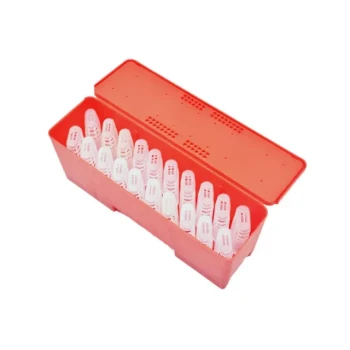
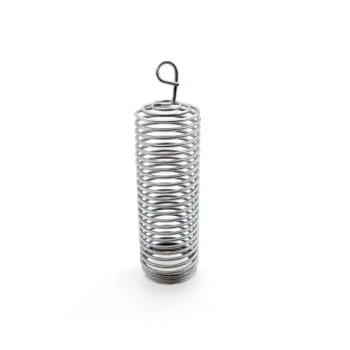
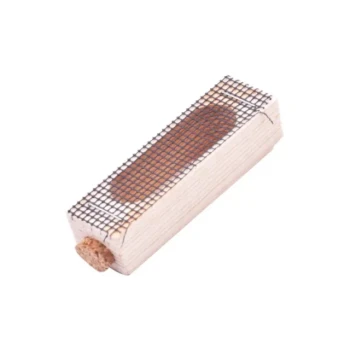
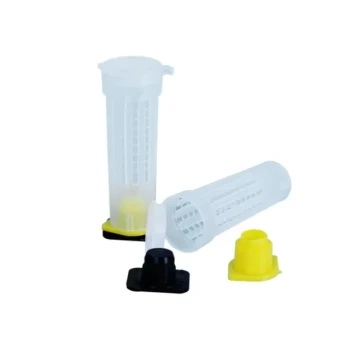
The proper procedure for placing a queen cell involves embedding a single cell into the face of a central brood comb within the nucleus hive. You must create a small depression in the existing wax and gently push the plastic base of the queen cell into it to secure it in place.
Core Takeaway: Success depends on eliminating competition before introduction. You must find and destroy any emergency queen cells the nucleus has already started; otherwise, the colony will likely reject the new cell in favor of their own.
Preparing the Nucleus for Acceptance
Eliminating Internal Competition
Before introducing the new genetic material, you must inspect the nucleus hive thoroughly.
Destroy every emergency queen cell found on the frames. If the colony has already begun raising its own queen, they will view your introduced cell as a threat and likely destroy it.
Creating Working Space
To ensure you can work without damaging the delicate cell or crushing bees, you need room to maneuver.
Remove a side comb from the nucleus hive temporarily. This provides the necessary lateral space to manipulate the central frames safely.
Handling and Inserting the Queen Cell
Separating the Cell Safely
When removing the queen cell from the grafting bar, precision is required to avoid damaging the developing pupa.
Use a wet, sharp knife to separate the single cell. The moisture prevents the wax from sticking to the blade, ensuring a clean cut without jarring the larva.
Selecting the Insertion Point
The cell needs to be placed where the bees will naturally cluster to keep it warm.
Select a central brood comb for placement. This area ensures the cell remains at the optimal temperature and humidity level required for the queen to emerge.
Securing the Cell
Physical attachment is crucial so the cell does not fall to the bottom of the hive.
Press a small depression into the face of the brood comb using your thumb.
Gently push the plastic base of the queen cell into this depression. Do not handle the wax cell itself, as slight pressure can damage the developing queen's wings or body.
Common Pitfalls to Avoid
Overcrowding the Hive with Queens
The primary reference explicitly states that only one queen cell is given to each nucleus hive.
Introducing multiple cells creates a "survival of the fittest" scenario. This often leads to the loss of your preferred queen or causes the small colony to swarm, leaving you with no queen at all.
Confusing Cells with Cages
It is vital to distinguish between a queen cell (developing pupa) and a queen cage (mated adult queen).
While cages are often suspended between frames with screens facing forward, queen cells must be embedded into the comb face. Do not attempt to hang a cell between frames or leave gaps for it as you would for a wooden cage; this leaves the cell vulnerable to chilling.
Making the Right Choice for Your Goal
To maximize the success rate of your split or requeening effort, focus on these specific outcomes:
- If your primary focus is acceptance: Ensure absolute thoroughness in destroying emergency cells; missing even one often leads to failure.
- If your primary focus is cell viability: Handle the unit exclusively by the plastic base and ensure the knife used for separation is wet and sharp.
Treat the cell as a living, fragile organism, not merely a piece of hive equipment.
Summary Table:
| Step | Action Required | Critical Success Factor |
|---|---|---|
| 1. Preparation | Destroy all existing emergency queen cells | Eliminates internal competition and rejection |
| 2. Space Management | Temporarily remove a side comb | Prevents accidental crushing of bees or the cell |
| 3. Cell Separation | Use a wet, sharp knife on the grafting bar | Ensures a clean cut without jarring the pupa |
| 4. Insertion | Embed the plastic base into a central brood comb | Maintains optimal temperature and physical security |
| 5. Quantity | Introduce exactly one cell per nucleus | Prevents swarming or internal combat |
Scaling Your Apiary Operations with HONESTBEE
Successful queen rearing is the backbone of a productive apiary. At HONESTBEE, we understand the precision required for commercial beekeeping and distribution. Whether you are managing hundreds of nucleus hives or supplying the industry, we provide the professional-grade tools you need to succeed.
From specialized hive-making and honey-filling machinery to high-quality beekeeping consumables and hardware, our comprehensive wholesale catalog is designed to optimize your efficiency.
Ready to elevate your honey production? Contact HONESTBEE today to discuss how our full spectrum of beekeeping equipment and honey-themed cultural merchandise can add value to your business.
Related Products
- Brown Nicot Queen Cell Cups for Breeding Queen Bees Beekeeping
- JZBZ Type Wide Base Plastic Queen Cell Cups for Base Mounting and Queen Rearing
- Premium Nicot Style Cell Bar Holder and Queen Cell Cup Holder System
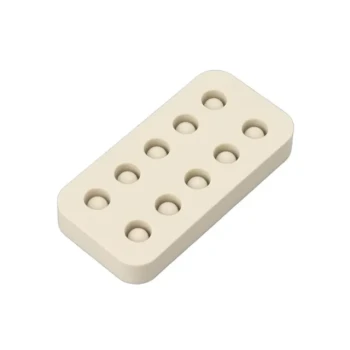
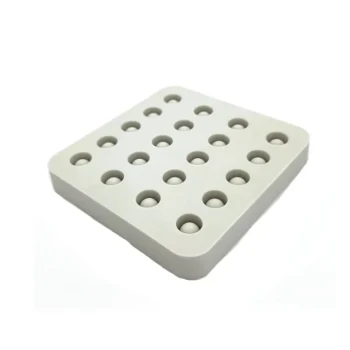
- 10-Cell Silicone Beeswax Bee Queen Cups Forming Mold
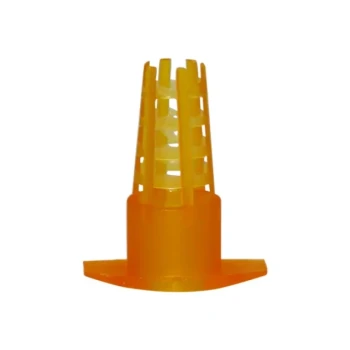
- JZBZ Style Shipping Cell Protector for Queen Rearing Kit
People Also Ask
- What role do specialized queen rearing tools play in developing mite-resistant honeybee stock? Master Genetic Selection
- What materials are used to make artificial queen cell cups for grafting? Beeswax vs. Plastic Guide
- What roles do specialized queen cell cups play in royal jelly production? Optimize Your Hive's Secretion and Yield
- How does the standardized depth of queen cell cups affect larval acceptance? Boost Success with 6mm Precision
- Why is a diluted royal jelly solution applied to queen cell cups? Boost Acceptance in Artificial Grafting