The primary protocol following a queen's release is strictly non-interference. Once you have confirmed the queen has left her cage, you must leave the hive completely undisturbed for a minimum of 10 days. This period of isolation is the single most critical factor in ensuring the colony accepts her rather than rejecting or killing her.
Core Takeaway Success relies on patience; a new queen remains vulnerable to aggression until she begins laying eggs and her pheromones stabilize. Premature inspections disturb the colony's fragile balance, significantly increasing the risk of the workers "balling" (attacking and overheating) the new queen.
Verifying Release and Initial Management
Before the 10-day non-disturbance period begins, you must confirm the queen is actually out of the cage. This is the only exception to opening the hive early.
The 3-to-5 Day Inspection
You should inspect the queen cage 3 to 5 days after installation. Your only goal during this brief inspection is to verify that the queen has been released by the workers chewing through the candy plug.
Manual Release Protocol
If the queen is still inside after day 5, observe the workers' behavior on the cage.
- If workers are clinging aggressively: They have not accepted her. Do not release her yet; waiting is safer than rushing.
- If workers are calm or feeding her: You can manually release her. Use a hive tool to remove the plastic tab or cork while holding the cage close to the frames.
Removing the Cage
If the queen has exited, ensure the cage is empty of worker bees. You can use a bee brush or a gentle shake to clear them. Remove the empty cage and immediately replace the center frame to restore the hive's internal structure.
The Critical Non-Disturbance Period
Once the queen is free—whether by the bees' effort or your manual release—the "quarantine" clock begins.
The 10-Day Rule
Do not open the hive for at least 10 days following the release. This rule, emphasized by the primary reference, overrides your curiosity to check on her progress.
The Biological Necessity
The 10-day wait is required because colonies are naturally suspicious of a non-laying queen. Until she begins laying eggs and her pheromones permeate the hive, she is viewed as an outsider.
Establishing the Brood Nest
During this quiet period, the queen acclimatizes to the environment and begins her laying cycle. Once open brood (larvae) is present, the colony's instinct shifts from suspicion to protection, cementing her position as the matriarch.
Common Pitfalls to Avoid
Even experienced beekeepers can jeopardize a successful introduction by ignoring the behavior of the colony or the timing of the release.
"Curiosity Kills the Queen"
The most frequent error is inspecting the hive too soon (e.g., day 2 or 3 post-release) to see if she is laying. This stress often triggers the workers to ball the queen, resulting in her death.
Leaving the Queen Caged Too Long
While safety is paramount, leaving a queen caged for excessive periods (beyond a week without checking) can delay the colony’s development. It halts egg production and can set the hive back for the season.
Misinterpreting Aggression
If you manually release a queen while workers are still balling the cage (clinging tightly), she will likely be killed immediately. Always wait for signs of acceptance—workers ignoring the cage or feeding her through the screen—before manual release.
Making the Right Choice for Your Goal
- If your primary focus is Colony Acceptance: Strictly adhere to the 10-day non-disturbance rule after release; a live queen is more important than knowing the immediate status of the brood.
- If your primary focus is Queen Safety: Verify release at day 3-5, remove the cage quickly to minimize disturbance, and then close the hive immediately to let the pheromones stabilize.
Trust the process and give the colony space, as a calm environment is the most effective tool for securing your new queen's reign.
Summary Table:
| Management Stage | Timing | Action Required | Objective |
|---|---|---|---|
| Initial Inspection | 3-5 Days Post-Installation | Check the queen cage; confirm if she is released. | Verify candy plug is consumed. |
| Manual Release | Day 5 (If needed) | Release manually ONLY if workers are calm. | Prevent queen starvation or stagnation. |
| The Critical Wait | 10 Days Post-Release | Strict Non-Interference: Do not open the hive. | Allow pheromones to stabilize and laying to begin. |
| Final Success Check | 14+ Days Post-Release | Routine inspection for eggs and open brood. | Confirm queen is mated and laying healthily. |
Maximize Your Apiary’s Success with HONESTBEE
Securing a new queen is just the beginning of a thriving hive. At HONESTBEE, we support commercial apiaries and distributors with high-quality, professional-grade equipment designed for efficiency and colony health. From precision hive-making and honey-filling machines to a complete range of beekeeping tools and consumables, we provide the wholesale solutions you need to scale your operations.
Ready to elevate your beekeeping business? Contact us today to explore our comprehensive hardware portfolio and cultural merchandise—let us help you build a more productive apiary!
Related Products
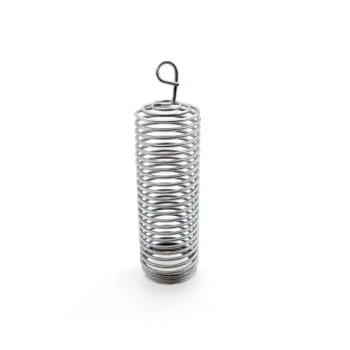
- Durable Galvanized Steel Spring Queen Bee Cage
- Portable Queen Bee Incubator with 12V Car Adapter for Safe Transport
- Professional Queen Bee Introduction and Transport Cage
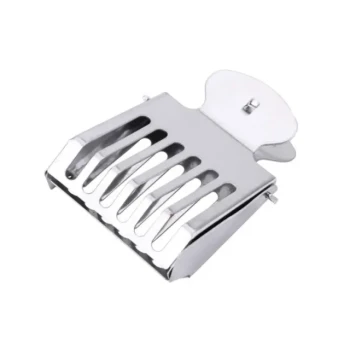
- Heavy Duty Stainless Steel Queen Bee Catcher Clip
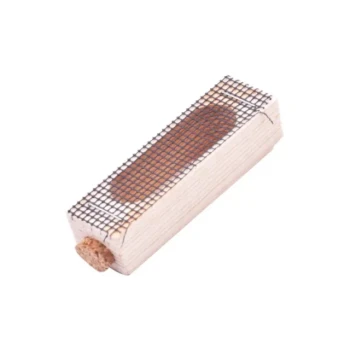
- Classic Wooden and Mesh California Queen Cage
People Also Ask
- Why are specialized queen bee cages used for the banking of mated queen bees? Maximize Commercial Apiary Storage Efficiency
- What is the mechanism of action for using temporary queen bee cages? Master Successful Queen Introduction
- What is the step-by-step process for installing a queen bee's cage onto a frame? Ensure Hive Acceptance Safely
- What is the optimal placement for a queen bee cage? Essential Strategies for Successful Re-queening
- What are the advantages and disadvantages of introducing a queen bee by embedding the cage? Boost Your Queen Acceptance