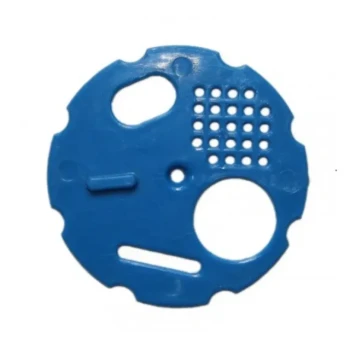
An Entrance Reducer is a standard hive component typically fashioned as a notched wooden strip. Its primary function is to physically restrict the size of the bottom hive entrance, allowing the beekeeper to adjust the opening based on the colony's size and the season.
By limiting the entrance area, you allow the colony to better control their internal environment and defend their resources against intruders.
Regulating the Hive Climate
The bees' ability to survive, particularly in winter, depends heavily on their ability to manage the air within the hive.
Minimizing Cold Airflow
A wide-open entrance allows significant drafts to enter the hive. By inserting an entrance reducer, you significantly decrease the flow of cold air into the living space.
Conserving Metabolic Heat
Bees form a cluster to generate heat during cold months. An open entrance allows this precious heat to escape rapidly. The reducer helps the colony maintain essential internal temperatures by turning the hive into a more sealed, efficient enclosure.
Balancing Humidity
Temperature is only half the equation; bees also need to manage moisture. Reducing the entrance area helps the colony maintain a stable humidity balance, which is critical for brood health and preventing condensation buildup during winter.
Enhancing Colony Security
Beyond climate control, the entrance size dictates how vulnerable the colony is to external threats.
Deterring Rodents
During winter, mice and other rodents seek shelter and will damage the honeycomb if allowed inside. While specific mouse guards exist, the entrance reducer acts as a primary physical barrier to prevent these rodents from easily entering the hive.
Protecting the Overwintering Cluster
Winter survival requires the colony to remain in a "quiet" state to conserve energy. A reduced entrance minimizes physical disturbance from the outside world, reducing the unnecessary heat consumption that occurs when bees are agitated.
Understanding the Trade-offs
While the entrance reducer is vital for protection, it is not a "set it and forget it" tool.
Risk of Overheating
In the height of summer, a strong colony produces immense heat that must be vented. Leaving an entrance reducer on during hot weather can restrict airflow too severely, leading to overheating and potentially causing the comb to melt or the bees to beard outside.
Traffic Congestion
During a heavy nectar flow, thousands of foragers need to enter and exit rapidly. A reducer creates a bottleneck. This congestion slows down foraging efficiency and can limit the colony's honey production potential.
Making the Right Choice for Your Hive
The decision to use an entrance reducer depends entirely on the season and the strength of your colony.
- If your primary focus is overwintering: Use the smallest notch setting to minimize cold drafts and exclude rodents to preserve the cluster's heat.
- If your primary focus is a weak or new colony: Use the reducer to shrink the entrance, making it easier for a small number of guard bees to defend against robbers.
- If your primary focus is maximum honey production: Remove the reducer entirely during the peak nectar flow to allow unrestricted traffic for foragers.
An entrance reducer is a simple tool, but using it correctly is essential for aligning the hive structure with the bees' seasonal instincts.
Summary Table:
| Feature | Purpose | Best Used When |
|---|---|---|
| Climate Control | Minimizes cold drafts and conserves metabolic heat | Winter / Late Autumn |
| Pest Defense | Physically blocks mice and larger rodents from entry | Overwintering Period |
| Colony Security | Easier for guard bees to defend against robbing | New or Weak Colonies |
| Humidity Balance | Prevents condensation buildup and brood stress | Cold & Damp Weather |
| Full Entrance | Maximum airflow and foraging traffic | Peak Summer / Nectar Flow |
Maximize Your Apiary Productivity with HONESTBEE
Effective hive management requires the right tools at the right time. At HONESTBEE, we specialize in supporting commercial apiaries and distributors with high-quality beekeeping essentials designed for durability and efficiency.
Whether you need precision hive-making machinery, automated honey-filling solutions, or bulk wholesale beekeeping tools and consumables, our comprehensive portfolio is built to scale your operations. From specialized hardware to honey-themed cultural merchandise, we provide everything you need to succeed in the modern beekeeping industry.
Ready to elevate your wholesale supply chain? Contact HONESTBEE Today to discuss our volume pricing and custom equipment solutions.
Related Products
- Steel Round Disc Entrance Reducer for Flexzion Bee Hive Nuc Box Gate
- Beehive Entrance Reducer Guardian Metal Hive Entrance for Bees
- Professional Hive Front Entrance Bee Feeder
- HONESTBEE Entrance Bee Feeder Efficient Hive Front Liquid Feeding Solution for Beekeeping
- HONESTBEE Entrance Bee Feeder Professional Hive Nutrition Solution for Beekeeping
People Also Ask
- What is the purpose of an entrance reducer for a beehive? Strengthen Colony Defense and Prevent Robbery
- Why are entrance reducers used to counter hornet infestations? Protect Your Hive with Strategic Choke Points
- Why is it critical to maintain a smaller entrance for a newly established bee hive? Boost Colony Growth and Security
- Under what conditions should a beekeeper adjust the size of a beehive entrance? Seasonal & Defense Management Tips
- What is the function of an entrance reducer on a beehive? Strengthen Colony Defense and Climate Control