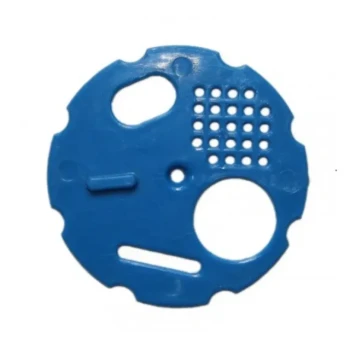
Reducing the hive entrance during winter serves as a critical line of defense for your colony. Its primary purpose is to shrink the defensible area, allowing the cluster to easily protect their stores against robbers like yellow jackets and other bees. Secondarily, it helps stabilize the internal environment by limiting cold drafts and preventing snow entry.
The entrance reducer acts as a physical force multiplier for your colony. By creating a bottleneck, it allows a small number of guard bees to repel aggressive intruders that would otherwise overwhelm a wide-open hive.
Strengthening Colony Defense
The most immediate threat to a wintering hive is not the cold, but predation.
Deterring Aggressive Robbers
As resources become scarce in autumn and winter, wasps (particularly yellow jackets) and bees from other colonies become desperate.
A wide entrance is difficult for a lethargic winter cluster to patrol effectively.
By installing a reducer, you create a narrow choke point that is much more manageable to defend, keeping intruders away from your honey stores.
Protecting Weak or New Colonies
This defense is particularly vital for new colonies that are still establishing themselves.
A smaller entrance prevents the colony from being overrun before they have built sufficient numbers or resources.
Regulating the Hive Environment
Beyond security, the physical structure of the entrance plays a role in the hive's climate control.
Reducing Drafts and Snow
A fully open entrance allows wind and driving snow to enter the lower hive body.
The reducer acts as a windbreak, minimizing chilled drafts that can disrupt the cluster's ability to generate heat.
Supporting Thermoregulation
While insulation is the primary factor in heat retention, a reduced entrance contributes to the system.
It prevents rapid heat loss at the bottom board, helping the bees consume less honey to maintain warmth.
The Trade-off: Protection vs. Maintenance
Reducing the entrance introduces a specific set of risks that requires active management.
The Risk of Entrapment
Bees naturally die throughout the winter and fall to the bottom board.
With a reduced entrance, these dead bees can quickly accumulate and block the small exit hole.
If the entrance becomes clogged, living bees cannot exit for essential "cleansing flights" (defecation) on warmer days.
Balancing Ventilation
It is critical to never completely seal the hive.
Bees produce moisture as they consume honey; this moisture must escape to prevent fatal condensation.
The reducer must restrict predators but still allow for necessary bottom-up airflow.
Managing Your Entrance Reducer Effectively
To ensure the reducer helps rather than harms, you must pair installation with regular monitoring.
- If your primary focus is defense: Install the reducer on its smallest setting early in the fall to prevent yellow jackets from discovering the hive's weakness.
- If your primary focus is maintenance: Use a tool like a bent wire hanger or bee brush to periodically rake dead bees out of the entrance without opening the hive.
- If your primary focus is safety: Always wear protective clothing when clearing the entrance, as winter bees can be easily upset and defensive.
A properly managed entrance reducer balances the need for maximum security with the vital necessity of ventilation and access.
Summary Table:
| Winterization Feature | Primary Benefit | Key Management Action |
|---|---|---|
| Robber Defense | Prevents wasps and yellow jackets from stealing stores | Install on smallest setting in early autumn |
| Climate Control | Minimizes cold drafts and prevents snow entry | Ensure some bottom-up airflow remains |
| Thermoregulation | Reduces honey consumption by maintaining heat | Monitor dead bee accumulation monthly |
| Cleansing Access | Provides a path for essential winter flights | Regularly clear debris from the entrance |
Secure Your Apiary for Winter with HONESTBEE
Ensure your bees survive the cold with professional-grade winterization solutions. HONESTBEE specializes in catering to commercial apiaries and distributors, offering a comprehensive wholesale range of beekeeping tools, machinery, and essential consumables.
From specialized hive-making hardware to robust equipment designed for large-scale operations, we provide the value and durability your business needs. Don't let your colonies face the winter unprotected—contact us today to discuss our wholesale offerings and let us help you strengthen your beekeeping success.
Related Products
- Steel Round Disc Entrance Reducer for Flexzion Bee Hive Nuc Box Gate
- Beehive Entrance Reducer Guardian Metal Hive Entrance for Bees
- Professional Hive Front Entrance Bee Feeder
- Multi-Functional Rotary Hive Entrance Disc for Beekeeping
- HONESTBEE Entrance Bee Feeder Efficient Hive Front Liquid Feeding Solution for Beekeeping
People Also Ask
- What is the purpose of an entrance reducer for a beehive? Strengthen Colony Defense and Prevent Robbery
- Why are entrance reducers used to counter hornet infestations? Protect Your Hive with Strategic Choke Points
- Why is it critical to maintain a smaller entrance for a newly established bee hive? Boost Colony Growth and Security
- What is the function of an entrance reducer on a beehive? Strengthen Colony Defense and Climate Control
- Under what conditions should a beekeeper adjust the size of a beehive entrance? Seasonal & Defense Management Tips