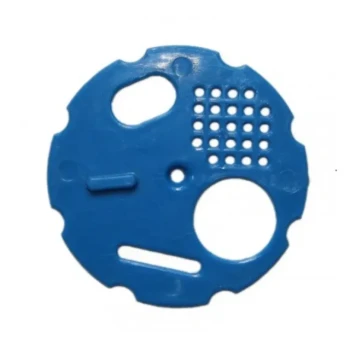
To safely seal a hive with an entrance reducer, you must strictly limit the duration of the closure and mechanically secure the device to the hive box. Sealing a hive cuts off ventilation, so it should be done only for short periods to prevent overheating, and the reducer must be screwed in place to prevent it from shifting during movement.
Core Takeaway: Sealing a hive is a temporary, high-risk procedure that balances physical security with ventilation needs. Success depends on firmly attaching the reducer to block the opening while minimizing the time the colony remains confined to avoid lethal stress and heat buildup.
Proper Installation for Sealing
To effectively block the hive, you must change how the reducer is typically positioned and secured.
Orientation for Closure
To create a complete seal, position the entrance reducer with its entry notch facing up. This places the solid, flat edge of the wood against the bottom board, effectively blocking the bees from entering or exiting.
Mechanical Security
Friction is rarely enough to hold a reducer in place, especially during the vibrations of transport. You must screw the entrance reducer firmly into the hive body.
Using Pre-drilled Holes
Utilize the extra holes provided in the reducer for these screws. This ensures the block remains rigid and does not pop out, which would allow bees to escape at inopportune moments.
Protecting Colony Health
The physical act of sealing the hive introduces immediate environmental risks to the bees inside that must be managed.
Preventing Overheating
The most critical precaution is managing heat. Because the reducer blocks airflow, you must keep the hive sealed only for short periods.
Reducing Colony Stress
Confinement causes significant stress to the colony, which can impact their health. Whether moving the hive or applying external treatments, execute the task quickly to restore normal conditions as soon as possible.
Risks and Trade-offs
While entrance reducers are essential tools for protection and relocation, misusing them for sealing carries distinct dangers.
The Risk of Suffocation
A strong colony generates significant heat. If a hive is sealed for too long without alternative ventilation, the internal temperature can spike rapidly, potentially killing the colony.
Security vs. Accessibility
Screwing the reducer in provides necessary security during a move, but it makes emergency access more difficult. You must have the proper tools on hand to remove the screws quickly once the hive is in its new location.
Making the Right Choice for Your Goal
When using an entrance reducer to seal your hive, your specific objective dictates your approach.
- If your primary focus is relocation: Screw the reducer firmly into place with the notch up to prevent it from vibrating loose during transport.
- If your primary focus is external treatment: Keep the hive sealed only for the minimum time required by the treatment instructions to reduce stress.
Treat the sealing of a hive as a temporary surgical intervention, not a long-term storage solution.
Summary Table:
| Aspect | Precaution for Sealing | Benefit |
|---|---|---|
| Orientation | Notch facing upward against solid edge | Creates a complete, escape-proof seal |
| Security | Screw the reducer into the hive body | Prevents shifting or popping out during transport |
| Ventilation | Limit closure duration to short periods | Prevents lethal heat buildup and suffocation |
| Stress | Rapid execution of tasks (moving/treatment) | Minimizes colony agitation and health risks |
| Removal | Keep tools ready for immediate opening | Ensures bees can forage and ventilate upon arrival |
Scale Your Apiary Operations with HONESTBEE
Moving colonies or managing intensive treatments requires equipment you can trust. HONESTBEE specializes in supporting commercial apiaries and distributors with a robust wholesale inventory. From precision-cut hive components to advanced hive-making and honey-filling machinery, we provide the industrial-grade tools needed to maximize your honey production and colony safety.
Ready to elevate your beekeeping business? Contact us today to explore our comprehensive range of beekeeping equipment and hardware designed for professionals.
Related Products
- Steel Round Disc Entrance Reducer for Flexzion Bee Hive Nuc Box Gate
- Beehive Entrance Reducer Guardian Metal Hive Entrance for Bees
- Professional Hive Front Entrance Bee Feeder
- HONESTBEE Entrance Bee Feeder Efficient Hive Front Liquid Feeding Solution for Beekeeping
- HONESTBEE Entrance Bee Feeder Professional Hive Nutrition Solution for Beekeeping
People Also Ask
- What is the purpose of an entrance reducer for a beehive? Strengthen Colony Defense and Prevent Robbery
- Why are entrance reducers used to counter hornet infestations? Protect Your Hive with Strategic Choke Points
- Why is it critical to maintain a smaller entrance for a newly established bee hive? Boost Colony Growth and Security
- Under what conditions should a beekeeper adjust the size of a beehive entrance? Seasonal & Defense Management Tips
- What is the function of an entrance reducer on a beehive? Strengthen Colony Defense and Climate Control