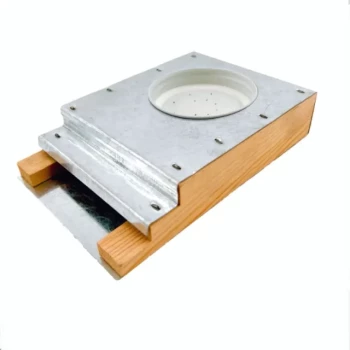
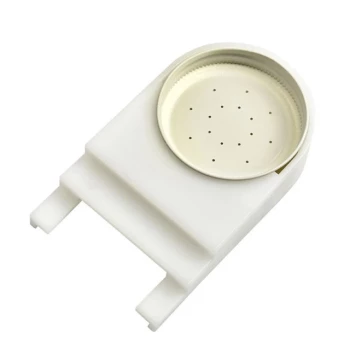
Internal frame feeders are essential management tools for colony stability. They provide supplemental artificial feed to honey bees during periods of nectar or pollen scarcity, serving as a critical safeguard against starvation and nutritional stress. By using these feeders, apiarists can maintain a consistent nutritional baseline, ensuring colonies survive environmental fluctuations and remain viable for both production and scientific study.
The Core Value Proposition The true power of an internal frame feeder is not just survival, but control. By standardizing energy inputs, you convert the unpredictable variable of natural foraging into a managed constant, allowing for precise regulation of colony strength and the isolation of genetic traits from environmental noise.
Ensuring Survival and Baseline Health
Preventing Nutritional Stress
The most immediate function of internal frame feeders is protection. They act as essential consumables that prevent starvation when natural resources are unavailable.
Standardizing Nutrition
In scientific contexts, such as Varroa resistance field trials, consistency is paramount. Feeders ensure all test colonies receive the same nutritional baseline.
Isolating Genetic Variables
By eliminating hunger as a variable, researchers can confirm that observed differences in colony health are due to genetic traits rather than random environmental variations.
Strategic Overwintering Preparation
Rapid Reserve Establishment
During autumn, natural nectar sources often disappear. Large-capacity feeders facilitate the rapid uptake of high-concentration carbohydrates.
Energy for Thermal Regulation
The colony converts these excess carbohydrates into capped honey. This food store provides the necessary energy to generate heat, maintaining hive temperature throughout the cold season.
Technical Safeguards
Using a quantified feeding approach serves as a technical safeguard. It helps maintain survival rates in commercial apiaries by offsetting negative environmental factors that usually lead to winter losses.
Facilitating Spring Expansion
Regulating Colony Strength
Artificial feeding is not just defensive; it is proactive. It allows beekeepers to manipulate and regulate the population size of the colony.
Timing the Foraging Peak
By supplementing diet early, you ensure the bee population reaches its peak foraging capacity exactly when the primary natural honey flow begins.
Preventing Brood Termination
If food stores are exhausted, colonies may terminate brood rearing to save energy. Continuous delivery pulses of artificial diet prevent this, ensuring the spring expansion continues uninterrupted.
Understanding the Necessity of Intervention
Offsetting Foraging Declines
When environmental factors reduce foraging efficiency, the colony is at risk of collapse. Relying solely on natural sources during these windows is a statistical gamble.
The Consequence of Inaction
Without the continuous external energy input provided by feeders, colonies face a high risk of "brood termination" or total collapse. The trade-off for not utilizing feeders during scarcity is a direct reduction in overwintering survival rates and spring yield potential.
Making the Right Choice for Your Goal
To effectively utilize internal frame feeders, align your feeding strategy with your specific management objectives:
- If your primary focus is Scientific Research: Prioritize feeders to maintain a strict nutritional baseline, ensuring that any performance data reflects genetics rather than food availability.
- If your primary focus is Commercial Production: Use feeders to time your colony expansion, ensuring maximum population density coincides with the start of the main honey flow.
- If your primary focus is Winter Survival: Utilize large-capacity feeders in the autumn to rapidly build high-concentration carbohydrate reserves for heat generation.
By treating feeding as a precise technical input rather than a passive chore, you transform nutrition from a vulnerability into a competitive advantage.
Summary Table:
| Feature | Strategic Phase | Key Purpose & Benefit |
|---|---|---|
| Resource Buffer | Overwintering | Rapidly builds carbohydrate reserves for winter heat generation. |
| Growth Regulation | Spring Expansion | Stimulates brood rearing to peak foraging capacity for honey flow. |
| Nutritional Control | Scientific Research | Standardizes energy inputs to isolate genetic traits from environment. |
| Colony Security | Scarcity Periods | Acts as a safeguard against brood termination and colony collapse. |
Elevate Your Apiary Management with HONESTBEE
At HONESTBEE, we specialize in empowering commercial apiaries and distributors with high-performance beekeeping solutions. Whether you are managing large-scale honey production or conducting rigorous field trials, our comprehensive wholesale catalog includes everything from high-capacity internal frame feeders and hive-making machinery to precise honey-filling equipment and essential consumables.
Partner with us to transform colony nutrition from a variable into a competitive advantage. Contact HONESTBEE today to discuss how our professional-grade tools and industry expertise can optimize your survival rates and maximize your seasonal yields.
References
- Abdullah Ibrahim, Marla Spivak. Field trial of honey bee colonies bred for mechanisms of resistance against<i>Varroa destructor</i>. DOI: 10.1051/apido:2006065
This article is also based on technical information from HonestBee Knowledge Base .
Related Products
- Professional In-Hive Bee Feeder HONESTBEE Frame for Beekeeping
- In-Hive Dual Compartment Frame Bee Feeder for Targeted Colony Nutrition
- Professional In-Hive Frame Bee Feeder by HONESTBEE
- 3.5L Plastic Beehive Frame Feeder Deep Frame Water Feeder for In Hive Use
- Rapid Bee Feeder White Plastic 2L Round Top Feeder for 8 or 10-Frame Bee Hives
People Also Ask
- When should beekeepers stop feeding their bees? Let Your Bees Tell You
- Why is the use of a beekeeping feeder for syrup supplementation important? Boost Colony Growth and Survival
- What are the common types of internal and external feeders used in beekeeping? Choose the Right Feeder for Your Hive
- What is a feeder in the context of beekeeping? Optimize Your Hive Nutrition and Growth
- How do specialized feeders contribute to effective artificial feeding? Scientific Apiary Management & Colony Health